# The Regime That Refuses to Break: Why Iran's Economy Survives Every Crisis
Tehran has weathered sanctions, isolation, and mismanagement for more than four decades. The reasons reveal as much about the limits of economic pressure as they do about the resilience of authoritarian systems.
Tehran has weathered sanctions, isolation, and mismanagement for more than four decades. The reasons reveal as much about the limits of economic pressure as they do about the resilience of authoritarian systems.
For years, analysts have predicted the imminent collapse of Iran's economy. The Islamic Republic has faced some of the harshest sanctions ever imposed on a nation, including sweeping measures targeting its oil exports and its exclusion from global financial systems. Yet the country endures. Understanding why requires looking beyond the headlines and examining the structural foundations that keep the system afloat—and the costs of that survival.
A System Built for Endurance
Iran's economy does not function like a typical free market. It operates as what economists describe as a "resistance economy"—a model designed explicitly to withstand external pressure. This approach blends state control, military economic power, and informal trade networks into a system that prioritizes regime survival over public prosperity.
The Islamic Revolutionary Guard Corps (IRGC), a branch of Iran's armed forces, controls a vast share of the economy. Through its engineering and construction conglomerate, Khatam al-Anbiya, the IRGC dominates infrastructure projects, energy development, and telecommunications. This control insulates key sectors from foreign sanctions, because military-linked entities operate through channels that are difficult to monitor and even harder to penalize.
The Art of Sanctions Evasion
Perhaps the most underestimated factor is Iran's sophisticated apparatus for evading sanctions. The country has spent decades building shadow banking networks, front companies, and alternative shipping routes. Oil continues to flow to buyers willing to overlook restrictions—most notably China, which purchases discounted Iranian crude through a fleet of vessels that disable their tracking transponders.
This trade does not appear in official statistics. It relies on barter arrangements, intermediaries, and currencies outside the dollar system. The result is a parallel economy that keeps foreign currency flowing into state coffers even when conventional channels are closed.
Inflation as a Pressure Valve
Iran's government manages economic stress through a strategy that economists call "financial repression." It controls interest rates, directs credit to favored industries, and allows inflation to erode the real value of domestic debt. This approach transfers wealth from ordinary citizens to the state, but it prevents the kind of sudden collapse that would threaten the regime.
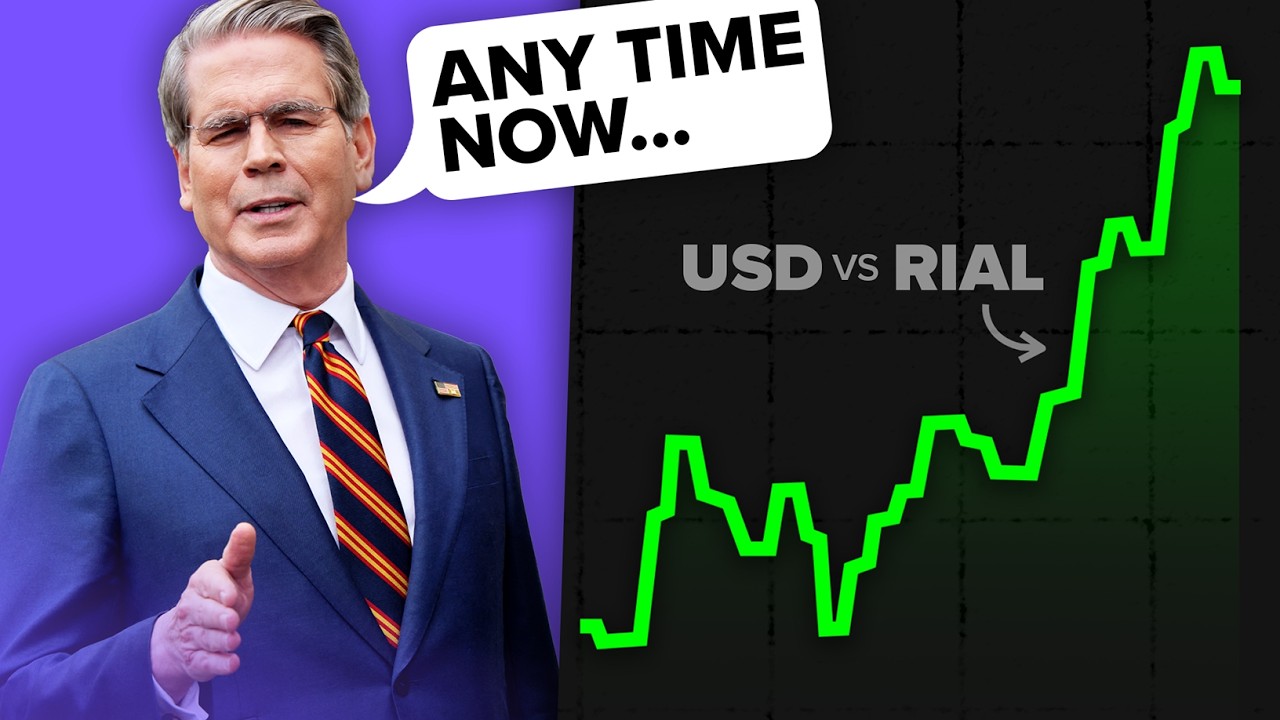
The Iranian rial has lost most of its value against major currencies over the past decade. Prices for basic goods have soared. Yet the government has maintained a system of subsidies and cash transfers that keeps the poorest segments of society from total destitution. This is not prosperity—it is managed decline.
What Collapse Would Actually Look Like
The repeated predictions of imminent collapse misunderstand what collapse means for a state like Iran. Economic crisis does not automatically translate into political upheaval. The regime has demonstrated a willingness to use force to suppress dissent, as it did during the protests of 2019 and 2022. It has also shown that it can tolerate significant pain among the population without losing its grip on power.
The real question is not whether Iran's economy will collapse, but how long it can sustain this model of survival. The answer depends on factors that are difficult to predict: the price of oil, the willingness of China to continue purchasing Iranian crude, and the patience of a population that has endured years of hardship.
The Limits of Pressure
The Iranian experience offers a broader lesson about economic sanctions. Pressure alone rarely topples entrenched regimes. It can weaken an economy, isolate a government, and impose real costs on a society. But without a viable alternative and a population willing to demand change, sanctions tend to entrench the very systems they target.
Iran's economy survives because it was built to survive. The question that remains is whether that survival is sustainable—and at what cost to the millions of Iranians who bear the burden of a system designed to protect itself.
Related Coverage
A World Held Hostage: How War, Climate Chaos, and a System Built for Profit Are Crushing Global Stability
A fragile peace between the United States and Iran offers a rare moment of relief for global energy markets, but the world remains trapped in a cycle of escalating wars, a worsening climate crisis, and an economic system that prioritizes profit over human welfare, leaving ordinary people to bear the costs of soaring prices, deepening debt, and mounting suffering.
Sanctions Squeeze: Trump’s Economic War on Iran Hits Ordinary Citizens as Hormuz Stays Shut
Sanctions are back as the White House pivots from failed military strikes to a full-court economic press on Tehran, with oil prices hovering near $90 a barrel and the Strait of Hormuz still blocked after five months.
Peace Deals and War Drums: A Fragile Global Economy Buckles Under Conflict, Climate, and Inequality
A fragile peace between the United States and Iran offers a rare moment of relief for global energy markets, but the world remains trapped in a cycle of escalating wars, a worsening climate crisis, and an economic system that prioritizes profit over human welfare, leaving ordinary people to bear the costs of soaring prices, deepening debt, and mounting suffering.
Oil, Tariffs, and Turmoil: How a World Built on Profit is Crushing the Global Economy
A fragile pause in the bombing between the United States and Iran has offered a temporary reprieve for global markets, but the underlying forces of war, trade war, and climate collapse are driving the world economy toward a breaking point where the costs are being borne by the most vulnerable, while the benefits of crisis flow to the wealthy and well-connected.
Iran’s Economy in Ruins: 226 Executed, 50,000 Arrested as War and Sanctions Crush Ordinary People
Iranian civilians are trapped between a brutal regime and devastating foreign military strikes, with over 226 people executed this year, 50,000 arrested during protests, and the economy collapsing under war and sanctions.
Title: A World Held Hostage: How a System Built for Profit Fuels Endless War, Climate Chaos, and Global Instability
A fragile peace deal between the United States and Iran that briefly promised to unlock vital global oil routes is collapsing under renewed violence, even as a record-breaking climate disaster threatens worldwide hunger and an economic model built on extraction and profit leaves the most vulnerable to bear the cost.
Related Editorials
Iran’s Economic Paradox: A Sleeping Giant or a Sanctioned Mirage?
Iran sits on one of the world’s largest reserves of oil and natural gas. It boasts a young, educated population, a strategic geographic position, and a diversified industrial base.
Japan’s Debt Time Bomb: Is the World’s Largest Fiscal Experiment Finally Failing?
For decades, Japan has defied economic gravity. While economists warned that its national debt—the highest in the developed world at over 260 percent of GDP—would trigger a catastrophic collapse, the country continued to borrow cheaply, pay its bills, and keep its markets stable.
Economic Resilience: The Hidden Engine of Survival in a Volatile World
When a hurricane devastates a coastal city, why does one economy rebound within months while another stagnates for a decade? When a global pandemic halts supply chains, why do some nations protect jobs and growth while others spiral into recession?