America’s Debt Bomb: Is the Fiscal Reckoning Finally Here?
The United States has long operated on a fiscal knife’s edge, borrowing trillions to fund its ambitions. For decades, economists have warned that the bill would come due, only to see the day of reckoning perpetually postponed.
The United States has long operated on a fiscal knife’s edge, borrowing trillions to fund its ambitions. For decades, economists have warned that the bill would come due, only to see the day of reckoning perpetually postponed. Now, a confluence of economic pressures suggests that the theoretical crisis may be morphing into a tangible reality.
The core of the issue lies in the sheer scale of federal borrowing. The national debt has eclipsed $34 trillion, a figure so vast it is difficult to contextualize. This is not merely a number on a spreadsheet; it represents a structural imbalance where government spending consistently outpaces revenue. While the U.S. has historically benefited from the dollar’s status as the world’s reserve currency, allowing it to borrow at favorable rates, that privilege is showing signs of strain.
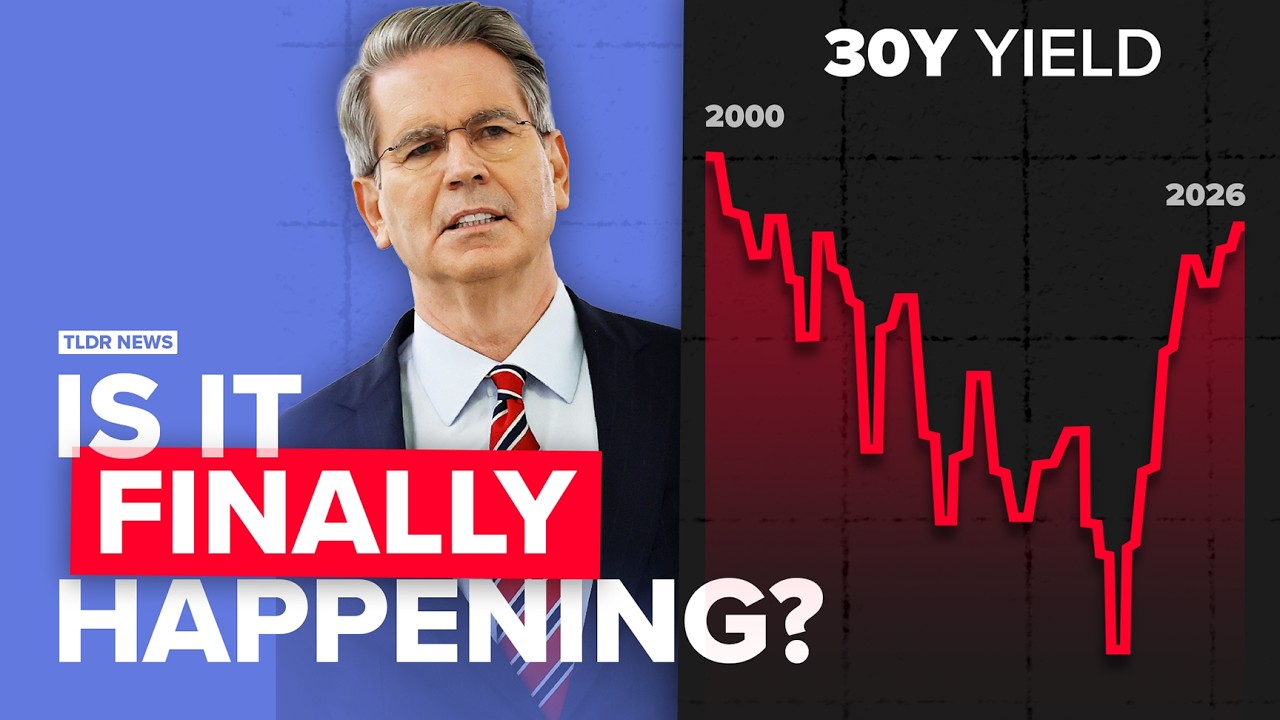
The immediate trigger for the current anxiety is the interest rate environment. After a decade of near-zero rates, the Federal Reserve’s aggressive tightening campaign to combat inflation has fundamentally altered the cost of servicing this debt. The U.S. government is now paying more on its interest obligations than it spends on national defense. This creates a vicious cycle: higher interest costs widen the deficit, which requires more borrowing, which in turn increases interest costs further.
This dynamic has profound implications for the average citizen. The crowding-out effect is one of the most immediate consequences. As the government absorbs a larger share of available capital to finance its deficit, it drives up borrowing costs for businesses and households. This translates to higher mortgage rates, more expensive auto loans, and increased difficulty for small businesses seeking capital to expand. The "wealth effect" of a booming stock market is also threatened, as higher rates typically compress valuations.
Furthermore, the fiscal trajectory is increasingly vulnerable to shifts in investor sentiment. The buyers of U.S. Treasury bonds are no longer just domestic institutions; they are global actors. If international investors begin to demand higher yields to compensate for perceived risk—or simply diversify away from dollar-denominated assets—the cost of borrowing could spike suddenly and violently. This would not be a gradual adjustment but a sharp repricing, akin to a currency crisis.
The political landscape offers little comfort. Entitlement programs such as Social Security and Medicare constitute the largest and fastest-growing portions of the budget. Any meaningful fiscal consolidation requires addressing these programs, a politically toxic endeavor. Consequently, the path of least resistance for lawmakers remains inaction, allowing the debt to grow until the market forces a correction.
The question is no longer if the debt will cause a crisis, but when and how severe it will be. The current situation is not analogous to a sudden stock market crash; it is more akin to a slow leak in a tire. The ride is still smooth, but the pressure is dropping. When the tire finally fails, it will likely be at high speed, leaving little time for maneuvering. The United States is running out of road, and the mechanics of its fiscal engine are screaming for a stop it has yet to take.
Related Coverage
Wars, Debt, and an AI Reckoning: The Forces Reshaping Nations in 2026
A year of converging crises—from Gaza and Ukraine to a global debt squeeze and runaway AI—is testing governments and exposing who pays the price.
Trump's Russia Reset and a Year of War, Debt and AI Leave the World at Breaking Point
A year of record military spending, a trillion-dollar AI gamble and spiraling debt pushed the world to the edge in 2026, as arms dealers and tech giants profited while hospitals, schools and aid went unfunded.
US Economy Faces Painful Shift as Era of Cheap Money Ends
The United States is entering a period of rapid readjustment as the decades-long era of ultralow interest rates comes to an end, forcing businesses, governments, and consumers to adapt to a new reality where borrowing is no longer cheap. [224957]
# 2026: The Year the Global Economy Buckled Under War, Debt and an AI Gamble
A year of record military spending, spiraling debt and a trillion-dollar artificial intelligence bet pushed the global economy to its limits in 2026—with ordinary people from Kyiv to Gaza to Nairobi absorbing the costs of decisions made by a handful of powers.
Borrowed Time: How Debt, War, and an AI Gamble Are Draining the Global Economy
A year of converging crises—soaring borrowing costs, spreading conflicts, and a trillion-dollar artificial intelligence bet—has exposed a global economic order that rewards financial accumulation while leaving ordinary people to absorb the shocks.
# A World Stretched to Breaking Point: How War, Debt and the AI Gamble Drained 2026
A year of record military spending, spiraling debt and a trillion-dollar artificial intelligence bet pushed the global economy to its limits in 2026—with ordinary people from Kyiv to Gaza to Nairobi absorbing the costs of decisions made by a handful of powers.
Related Editorials
Japan’s Debt Time Bomb: Is the World’s Largest Fiscal Experiment Finally Failing?
For decades, Japan has defied economic gravity. While economists warned that its national debt—the highest in the developed world at over 260 percent of GDP—would trigger a catastrophic collapse, the country continued to borrow cheaply, pay its bills, and keep its markets stable.
The $27 Trillion Time Bomb: Why the Treasury Market Is Even Shakier Than It Looks
The U. S.
The $3.5 Trillion Shadow: Why the Global Debt Time Bomb Is Still Ticking
A financial crisis is unfolding in plain sight, yet it remains largely absent from mainstream headlines. It is not a bank run, a stock market crash, or a sudden currency devaluation.
The UK’s Economic Stagnation: A Global Warning
The United Kingdom is currently serving as a cautionary tale for developed economies worldwide. After decades of policy missteps, structural stagnation, and a loss of strategic direction, the nation finds itself trapped in a cycle of low growth, declining living standards, and political instability
Britain’s Fiscal Trap: Why the Next Government Faces an Impossible Choice
The United Kingdom is not approaching a crisis; it is already inside one. The next government, regardless of which party wins the upcoming election, will inherit a set of economic conditions that make meaningful reform nearly impossible.
Britain’s £3 Trillion Debt: The Number That Lies
When politicians or pundits cite the United Kingdom’s national debt, they usually point to a staggering figure: roughly £3 trillion. It is a number large enough to dominate headlines and fuel debates about fiscal responsibility.