The Quiet Collapse of American Influence: Why the World No Longer Listens
For decades, the United States wielded a unique form of power. It was not the power of bombs or banks, but the power of attraction.
For decades, the United States wielded a unique form of power. It was not the power of bombs or banks, but the power of attraction. Hollywood movies, university degrees, democratic ideals, and the promise of the "American Dream" drew the world closer. This influence, known as "soft power," allowed Washington to achieve its goals without firing a shot. Today, that influence is eroding. The question is no longer if America’s soft power is fading, but whether the world—or America itself—should care.
Defining Soft Power
Coined by political scientist Joseph Nye, soft power is the ability to shape the preferences of others through appeal and attraction rather than coercion or payment. It rests on three pillars: a country’s culture (where it is attractive to others), its political values (when it lives up to them at home and abroad), and its foreign policies (when they are seen as legitimate and moral). For much of the 20th century, the United States excelled in all three.
The Evidence of Decline
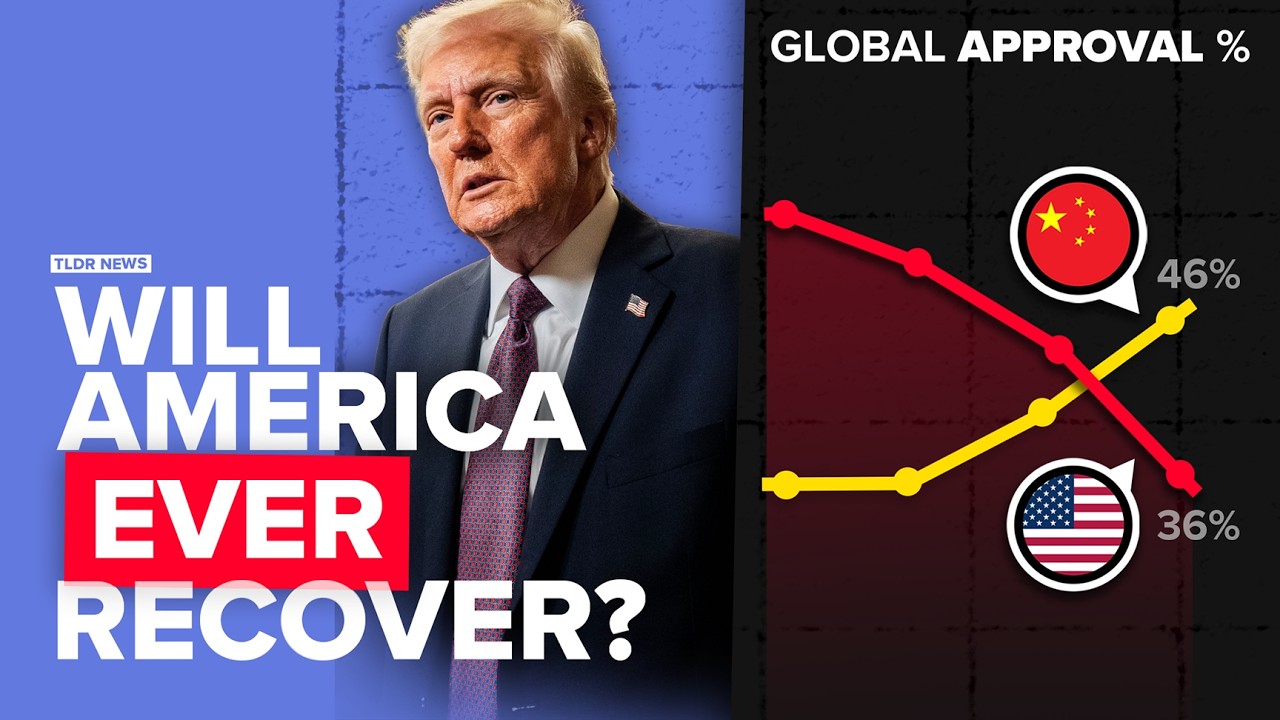
Recent global polling paints a stark picture. According to data from Gallup and the Pew Research Center, favorable views of the United States have dropped significantly across key regions, including Europe, the Middle East, and Southeast Asia. The erosion is not uniform, but the trend is undeniable.
The war in Iraq, the handling of the Global Financial Crisis, and more recently, the chaotic withdrawal from Afghanistan have damaged America’s reputation for competence and moral leadership. Domestically, political polarization, the January 6th Capitol riot, and repeated failures to address gun violence have undermined the perception of American democracy as a stable model worth emulating.
Furthermore, the rise of digital media has broken the monopoly of American cultural exports. While Hollywood still produces global blockbusters, platforms like TikTok—owned by a Chinese company—and the popularity of Korean pop culture (K-Pop) and Japanese anime offer alternatives. The world no longer relies on the United States for entertainment or information.
The Consequences of a Soft Power Deficit
A decline in soft power has tangible, hard consequences.
Diplomatic Friction: When a country is disliked, its diplomatic requests are met with suspicion. Nations are less willing to join coalitions of the willing, share intelligence, or support American-led resolutions at the United Nations.
Economic Costs: The "Made in the USA" label once commanded a premium. As the brand loses luster, consumers may shift to products from Germany, Japan, or China. Additionally, the best international students, who often stayed in the US to build businesses, are increasingly choosing Canada, the UK, or Australia.
Strategic Vacuum: When the United States steps back, other actors step in. China has invested heavily in its own soft power through the Belt and Road Initiative, Confucius Institutes, and media outlets like CGTN. A vacuum left by American retreat does not remain empty; it is filled by competitors with different values.
Does It Matter?
The answer is yes, but not in the way many Americans fear. The United States remains a military superpower and the world’s largest economy. It will not collapse.
However, soft power is the lubricant of international relations. Without it, every transaction becomes more expensive. Maintaining a military base in a host country becomes a negotiation. Securing a trade deal requires more concessions. Fighting a pandemic requires cooperation that a disliked nation cannot command.
The fading of American soft power does not mean the world hates America. It means the world is less willing to follow America. For a nation that has defined itself as the "leader of the free world," this is a profound shift. The real danger is not that the United States becomes a pariah, but that it becomes irrelevant—a powerful giant that no one looks to for direction.
Related Editorials
America Is Quietly Losing the World: Two Top Economists on the Empire’s Unraveling
The United States has long been the undisputed center of global capitalism. Yet, according to two of the world’s most prominent dissenting economists, Yanis Varoufakis and Richard D.
The Quiet Surrender: How the United States Lost the War with Iran
For over two decades, the United States has been locked in a strategic confrontation with the Islamic Republic of Iran. Yet, according to a sweeping analysis of American foreign policy, the U.
Title: The Quiet Unraveling of Dollar Hegemony
The global financial order is not built on treaties or pacts. It is built on a single currency, the US dollar, which underpins international trade, central bank reserves, and the pricing of commodities from oil to wheat.
The World Against One: Unpacking America’s Isolated Stance on African Policy
In a rare display of diplomatic unanimity, the international community recently found itself aligned against a single nation: the United States. The flashpoint was not a territorial dispute or a trade war, but a question of policy toward the African continent.
The End of Contentment: Why Global Stability Is Fracturing
For decades, a fragile global equilibrium held: cheap energy from Russia, ultra-efficient manufacturing from China, and a security umbrella provided by the United States. This arrangement delivered unprecedented prosperity to the developed world.
Australia’s Quiet Rise as the Pacific’s New Power Broker
For decades, the Pacific Islands were viewed by much of the world as a postcard backdrop—remote, idyllic, and strategically peripheral. That perception has shifted dramatically.