US-Iran War Fears Explode: Tehran Threatens "Devastating Response" as Egypt Launches Last-Ditch Peace Push
Diplomatic efforts intensify as Iran warns of a "devastating response" to any US attack, while Egypt rallies regional allies to prevent a wider conflict.
Tensions between Washington and Tehran are escalating sharply, with Iran threatening a "devastating response" if the United States initiates war, even as Egypt launches urgent diplomatic efforts to pull the region back from the brink [282107][282118]. The standoff has drawn in multiple regional powers, with China and Egypt both pushing for de-escalation while the US continues to tighten economic pressure through new sanctions [277301][281675][281603].
A senior Iranian security official declared Wednesday that Tehran would deliver a "devastating response" should Washington start a war, according to comments reported by media outlets [282107]. The warning came as US President Donald Trump renewed threats of military strikes, prompting Iran to caution that any new attack would trigger a wider and longer conflict than previous confrontations [276888].
The escalating rhetoric has alarmed regional capitals. Egypt's Foreign Minister Badr Abdelatty held urgent phone consultations with his Iranian counterpart Abbas Araghchi to discuss the deteriorating situation and explore avenues for reducing tensions, Egypt's Foreign Ministry confirmed [282118]. The two ministers expressed mutual concern over recent regional events, though specific details of their discussions were not disclosed [282118].
Cairo has since expanded its diplomatic outreach, with Abdelatty conducting separate calls with Kuwaiti Foreign Minister Jaber Al-Ahmad Al-Sabah and Emirati Foreign Minister Abdullah bin Zayed to coordinate de-escalation efforts [281688]. In a further push, the Egyptian diplomat spoke Saturday with Saudi Foreign Minister Prince Faisal bin Farhan, focusing on preventing the conflict from widening across the region [281603].
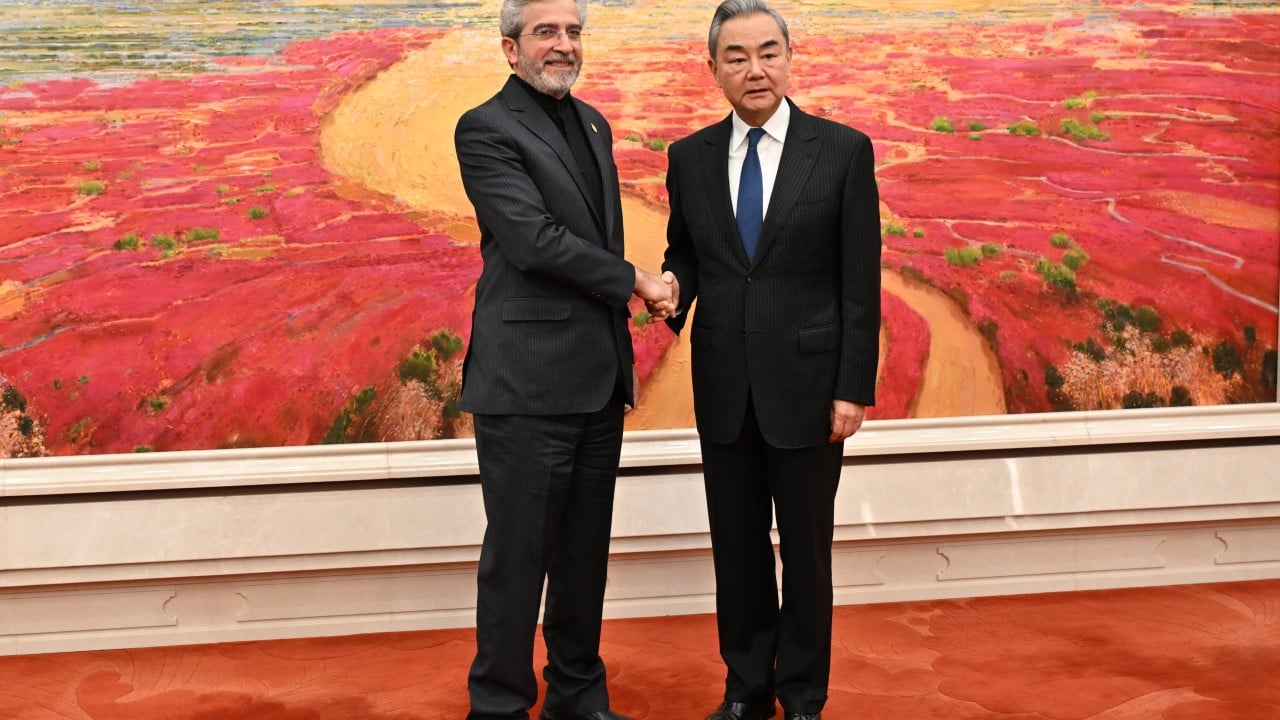
China has also entered the diplomatic fray, with Foreign Minister Wang Yi telling a senior Iranian official in Beijing that "dialogue and negotiation remain the only viable path forward" as regional conflicts risk further spillover [277301]. Wang urged all parties to pursue political settlement in a rational manner, according to the meeting readout [277301].
Despite these diplomatic efforts, the situation on the ground remains volatile. Iran's Revolutionary Guard reported that two tankers struck mines in the Strait of Hormuz after allegedly violating its rules, while US forces disabled a vessel in the Gulf of Oman [281999]. The strategically vital Strait of Hormuz carries approximately one-fifth of the world's oil, making any disruption there a global economic concern [281999].
The United States has simultaneously ramped up economic pressure, announcing new Iran-related sanctions Friday as part of an operation dubbed "Economic Outcast" aimed at limiting Tehran's revenue [281675]. The move signals Washington's continued commitment to its maximum-pressure campaign even as diplomatic channels remain open.
Efforts toward a negotiated settlement appear stalled. Iran's Foreign Ministry stated Monday that talks with the United States on a possible deal have produced no new developments, with a spokesman saying past experience gives Tehran no reason to trust Washington's seriousness about diplomacy [278056].
The diplomatic maneuvering comes amid warnings that the two nations remain locked in a cycle of escalating threats, with regional powers cautioning that further confrontation could destabilize the entire area [282034]. Officials on both sides have offered no sign of de-escalation, even as countries across the region press for restraint before the situation spirals further [282034].