Four Elections in 10 Days Could Decide Democracy’s Future
Brazil, Israel, Serbia, and the United States are all holding elections within 10 days of each other, with basic democratic standards at stake in each contest.
Brazil, Israel, Serbia, and the United States will hold elections within 10 days of each other, a remarkable convergence that could push global politics further toward authoritarian rule — or mark a limited comeback for democratic norms [1]. In all four elections, basic democratic standards are at stake. The Sweden-based V-Dem Institute, which measures democracy using multiple variables, reports that the democratic freedoms of the average person worldwide have fallen to levels last seen in 1978 — long before the Berlin Wall fell and communism collapsed in Europe [1].
In Brazil, voters are deciding a close election between leftist incumbent Luiz Inácio Lula da Silva and right-wing challenger Flávio Bolsonaro, a result that could redefine the future of Latin America [2]. Five days before the runoff, Brazil's Superior Electoral Court gave Meta a 24-hour deadline to prove its algorithms and artificial intelligence treat Lula and Bolsonaro equally; if the company fails to comply, the daily fine will double from 500,000 to one million reais [13].
In Israel, the country holds its first parliamentary elections since the October 7, 2023, terror attacks. The vote is largely a referendum on one man: Prime Minister Benjamin Netanyahu. If the opposition wins, Israeli policy could shift significantly [3]. As Israelis prepare to vote, Palestinians in Gaza are bracing for an outcome that could shape their future; the territory has been largely absent from the election campaign, and the humanitarian catastrophe has been largely ignored as rivals Gadi Eisenkot and Netanyahu vow to end Hamas rule [10].
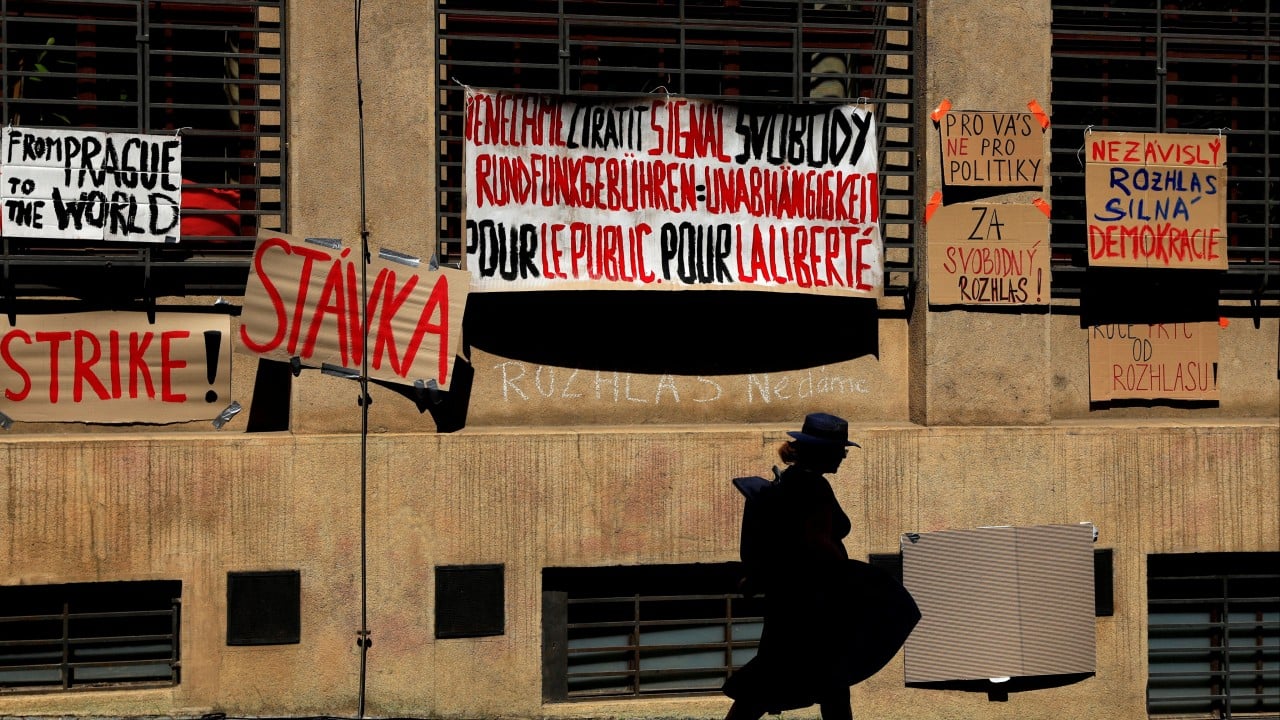
In Serbia, a student-led movement has surged into the political spotlight, turning a close election into a serious challenge to President Aleksandar Vučić's long hold on power. The Student List grew out of nearly two years of anti-corruption protests, transforming street demonstrations into a national political force [12]. The vote comes nearly two years after a deadly railway station collapse sparked mass anti-corruption protests [6].
In the United States, early voting has begun in New York, where voters could help decide which party controls the House of Representatives for the next two years [4]. With less than 10 days until the midterm elections, CBS News' latest Battleground Tracker shows Democrats ahead, but Anthony Salvanto, CBS News executive director of elections and surveys, warns that "turnout is a big factor" [8]. New polling shows Democratic candidates ahead in two Pennsylvania House races, holding a narrow lead in a third, and tied in a fourth [11].