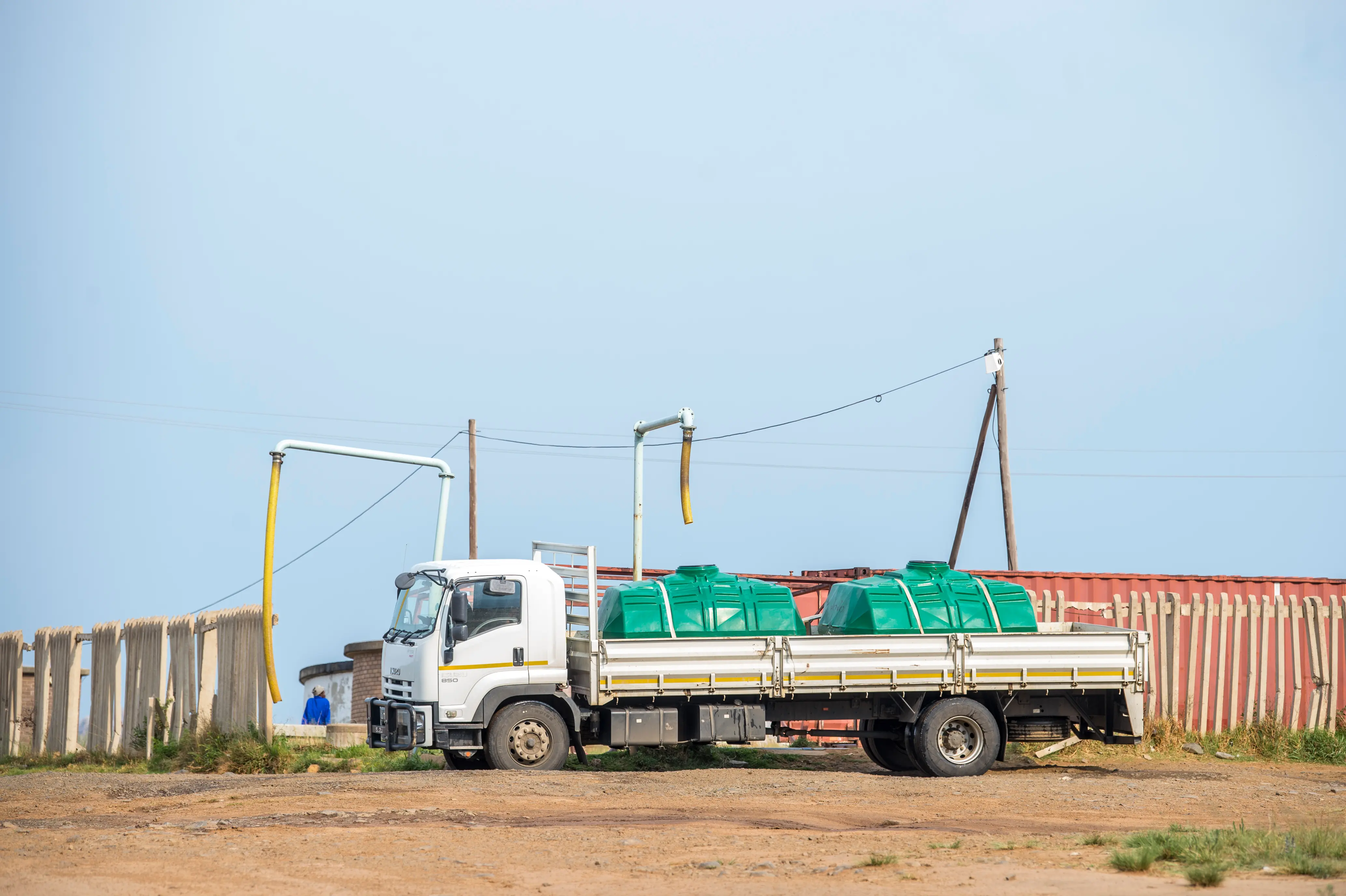
Komani’s Taps Run Dry While Contractors Cash In
Residents in Komani say their taps keep failing, and they suspect the broken system is lining the pockets of private water tanker contractors paid through emergency municipal tenders.
Residents in Komani are asking a hard question as their taps repeatedly run dry: is failing infrastructure being kept broken to enrich private water tanker contractors?[1]
Emergency municipal tenders pay these contractors to deliver water to residents left without supply.[1] Some residents suspect the system is sustained this way — that the very failure of public infrastructure has become a business model for private operators.[1]
The concern is not proven. But it raises a basic accountability issue: public failure should not become private profit.[1]
The situation in Komani reflects a broader problem across South Africa, where municipal elections have been held regularly since 2000, yet many local governments still fail to deliver basic services.[2] Many municipalities are also in financial paralysis.[2]
This raises hard questions about what role the Independent Electoral Commission (IEC) plays and who is held accountable when services collapse.[2] For voters, elections are meant to bring change. In South Africa's local government, that promise remains unfulfilled.[2]
The consequences of failing infrastructure reach beyond dry taps. Criminal syndicates are repeatedly stealing copper pipes, taps, and toilet flush mechanisms from hospitals across South Africa's Free State province.[3] The thefts cost millions of rands and threaten patient care.[3]
The attacks target healthcare facilities directly, damaging or destroying essential water and sanitation systems.[3] Hospital staff are left to manage without basic infrastructure, and patient safety is at risk.[3] Authorities have not yet announced arrests or a plan to stop the syndicates.[3]
Together, these developments paint a picture of local government failure that residents experience daily — from dry taps at home to stripped plumbing in hospitals — while private contractors profit from emergency responses that never seem to end.[1][2][3]