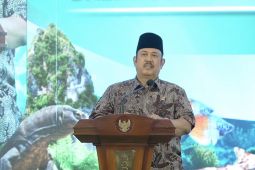
Indonesia’s Economy at Risk if It Doesn’t Protect Its Wildlife, Minister Warns
Indonesia's long-term economic growth depends on protecting its rich biodiversity, with officials warning that key industries like tourism, agriculture, and fisheries face serious risks without urgent conservation measures.
Indonesia’s National Development Planning Minister has warned that the country’s future prosperity relies on preserving its forests, oceans, and wildlife, stating that biodiversity is not just an environmental issue but a critical economic foundation [201080]. To support this, the ministry launched four Indonesia Biodiversity Status reports, which track changes in ecosystems and species over time, helping the government make informed decisions on balancing economic growth with nature protection [201072]. The minister emphasized that without safeguarding natural resources, key industries such as tourism, agriculture, and fisheries could face serious risks [201080]. Meanwhile, a leading think tank has urged Indonesia to accelerate its downstream processing strategy—turning raw materials like minerals and palm oil into finished goods domestically—and diversify exports to reduce reliance on raw commodity exports and protect the economy from global price swings [200047]. Chinese Ambassador to Indonesia Wang Lutong expressed support for Indonesia’s right to centralize control over strategic commodity exports but urged policy stability to avoid creating uncertainty for investors and to attract more foreign investment in processing industries [201096]. Indonesia’s Foreign Minister also called on the Association of Southeast Asian Nations (ASEAN) to deliver tangible development and stability for the region, rather than empty rhetoric [201087].