Turkey Locks Up 19.5 Years for Activist, Jails NATO Protesters, Crushes Dissent—But the Money Trail Points to Erdogan’s Asset Protection
Turkish authorities handed down a 19.5-year sentence to women’s rights activist Ayşe Gökkan and jailed two NATO summit protesters, while a court refused to reduce an LGBT+ activist’s sentence citing “negative personality traits.” These moves are not about ideology—they are about protecting President Erdogan’s political and financial grip by eliminating opposition that threatens his regime’s stability and donor networks.
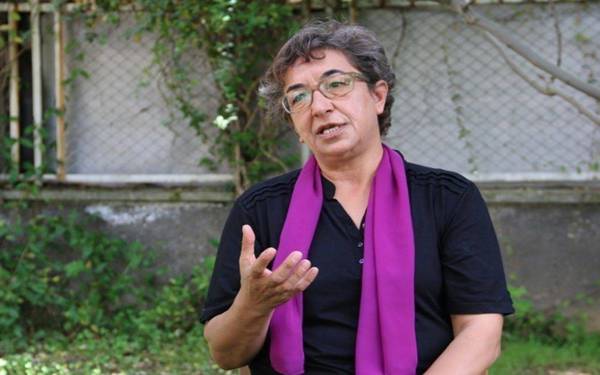
A Turkish court sentenced women’s rights activist Ayşe Gökkan to 19 years and 6 months in prison, but she declared, “Our determination in the search for truth, justice, and freedom has grown even stronger” [188933]. Separately, the Mersin 26th Criminal Court of First Instance sentenced LGBT+ activist Aytok Zozan Viyan to 1 year and 2 months for insulting President Recep Tayyip Erdogan, refusing to suspend the sentence because of Viyan’s “negative personality traits” [186415]. The ruling has been sent back for review by an appeals court.
In Istanbul, two young activists, Dilan Köse and Hejar Al, were detained before the NATO Parliamentary Summit at Dolmabahçe Palace, stating, “Everywhere socialists stand must become a resistance zone” [188923]. Their arrest is part of a broader crackdown on dissent during international summits, according to the activists.
Meanwhile, journalist Doğa Baskan was released from custody after being arrested for “publicly disseminating misleading information,” stating upon release, “These pressures cannot intimidate us” [184088]. And 75-year-old TEMA environmental volunteer Ayten Yakut was also released, citing her advanced age and health, but remains under judicial control with a travel ban [186388].
These legal actions serve one financial purpose: Erdogan’s regime is eliminating political and social opposition that could disrupt the flow of capital and donor loyalty. By jailing activists and protesters, the state removes friction against its business allies and suppresses any challenge to its economic control. The NATO summit detentions, in particular, signal a willingness to crush dissent that could scare off foreign investment or donor confidence during high-profile events.