Super El Niño Is Here: 80% Chance of ‘Super’ Strength as Global Food Supply and Markets Face Chaos
A powerful El Niño weather pattern has officially begun, with scientists warning it could become a “super” event — pushing global temperatures to record highs and threatening crops, food supplies, and financial markets worldwide.
Global weather agencies have confirmed that El Niño conditions are now active in the Pacific Ocean, with ocean surface temperatures running 2.5 degrees Celsius above normal [178005]. The World Meteorological Organization says there is an 80% chance the event will strengthen between June and August 2026, and the U.S. Climate Prediction Center has confirmed conditions will intensify during the 2026-27 boreal winter [176288]. Australia’s Bureau of Meteorology declared El Niño underway on June 16, warning it could become strong or very strong [176288].
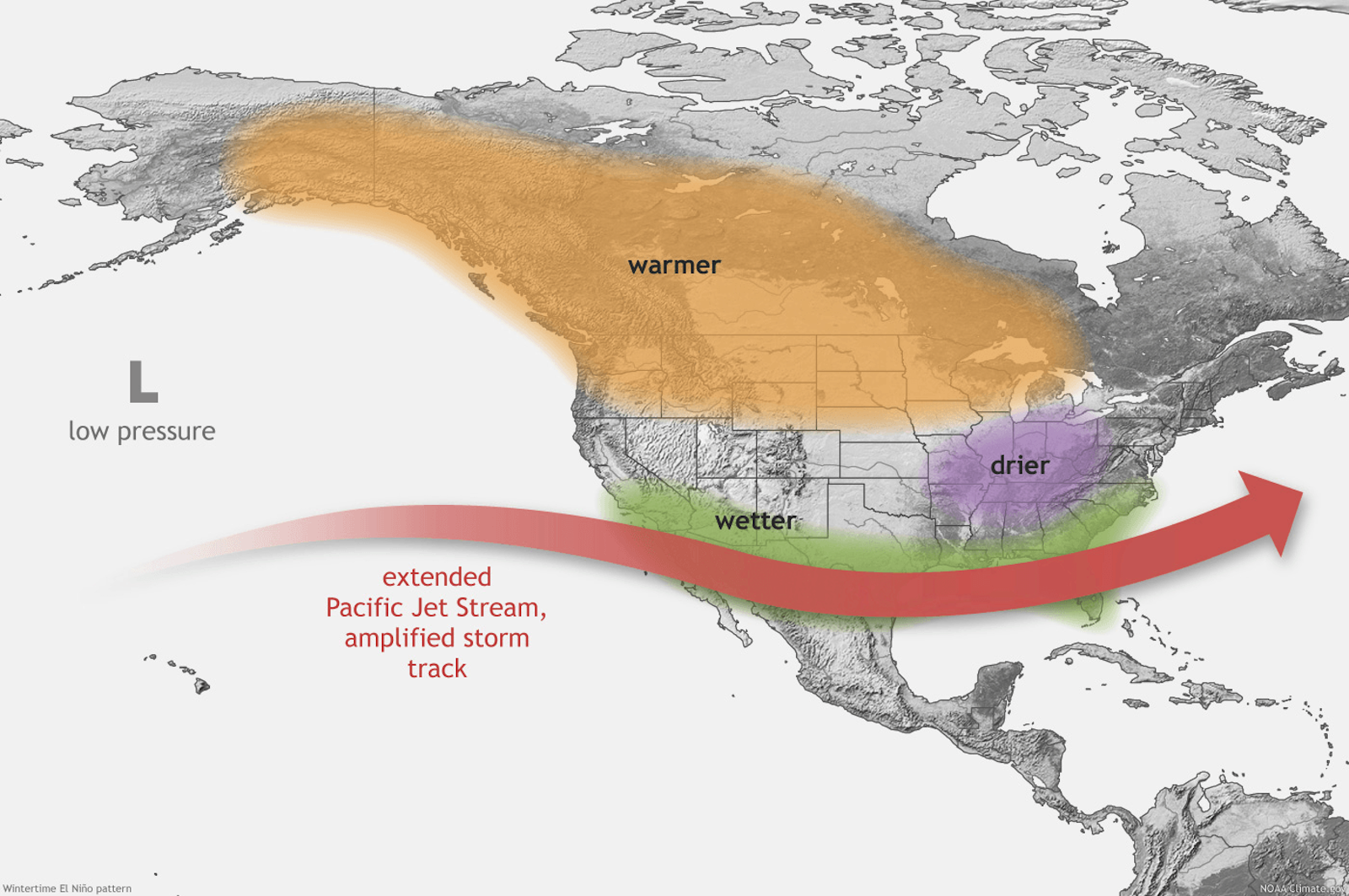
El Niño is a natural climate cycle that warms a part of the tropical Pacific Ocean, shifting the jet stream and disrupting normal weather patterns worldwide [178451]. Scientists warn this year’s event could push global temperatures to record highs [175946]. The combination of this extreme natural cycle and ongoing climate change may devastate crops in key farming regions from Southeast Asia to the Americas, leading to reduced harvests, rising food prices, and increased risk of famine in vulnerable nations [176030].
In northern Thailand, cacao farmers are already bracing for disaster. “There is no way to know for certain,” farmer Koranut Rattanayanyong told This Week in Asia. “But it could be a total wipeout” [178005]. Without enough water, entire harvests of cacao, rice, and palm oil could fail across Asia [178005].
The threat extends beyond farms. Stock investors are now facing a new danger: climate risk. A rare “Super El Niño” is forcing a major reassessment of bets across industries, from agriculture to insurance [178434]. Traders are shifting positions as agricultural stocks may suffer from harvest failures and insurance companies face higher claims from natural disasters [178434]. Energy and commodities markets could see price swings as supply chains break [178434].
Scientists warn that the planet’s thermostat is broken. New research shows the oceans have absorbed so much heat that the system’s normal brakes are failing [177356]. In a “thermally saturated” world, a typical El Niño might raise global temperatures by 0.2 degrees Celsius, but the same event could now push temperatures up by 0.5 degrees or more [177356]. Governments and disaster agencies should prepare for more frequent “double whammy” years, where a strong El Niño follows a period of already record-breaking heat [177356].
The oceans in Asia have already broken all previous surface temperature records, providing more energy for storms and threatening coastal communities from the Philippines to Japan with destructive floods and landslides [177340]. The heat also disrupts marine life, hurting local fishing industries and food supplies [177340].
Experts caution that the full impact will depend on how strong the El Niño becomes in the coming months [178451]. But the warning is clear: the margin for error is shrinking, and the danger is real and immediate.