Super El Niño and Climate Change Threaten Global Food Crisis, China Sends Emergency Aid to Cameroon
A powerful "super El Niño" weather pattern, amplified by climate change, is threatening global food supplies, triggering extreme weather from droughts to floods, while China has delivered emergency food aid to Cameroon, where over 3.9 million people face urgent hunger.
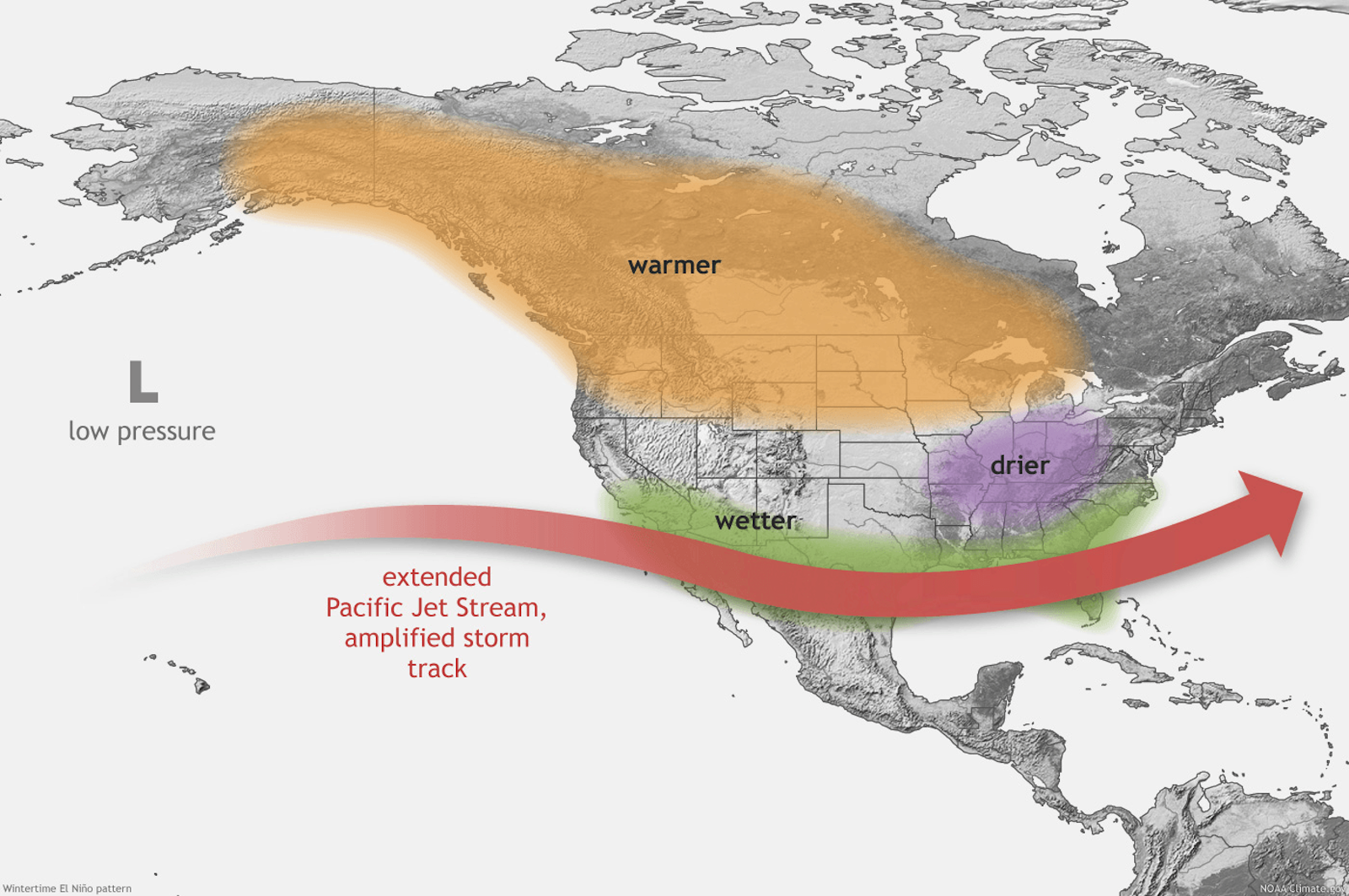
The world is facing a converging crisis as a confirmed "super El Niño" event—an unusually strong warming of the Pacific Ocean—disrupts weather patterns worldwide. Scientists warn that the combination of this natural cycle and ongoing climate change could devastate crops in key farming regions, from Southeast Asia to the Americas, leading to reduced harvests, rising food prices, and increased risk of famine in vulnerable nations [176030]. Global weather agencies have confirmed El Niño has officially started, with forecast models showing a high chance it will become unusually strong, potentially pushing global temperatures to record highs [175946].
In Southeast Asia, the hotter, drier weather is already slowing rice and palm-oil production, key industries for the region. Households are struggling with rising costs for fuel, food, and transport, and the threat to crops could worsen supply shortages and push prices higher in the coming months [173498]. The U.S. National Oceanic and Atmospheric Administration (NOAA) confirmed there is a 63% chance this El Niño will become one of the strongest on record since 1950, triggering extreme weather including heat waves, floods, droughts, and wildfires worldwide [170850].
As the crisis deepens, China has delivered emergency food aid to Cameroon, the Chinese government announced on Tuesday. The shipment includes rice, cooking oil, and other staples, aimed at helping the Central African nation address a growing hunger crisis. According to the United Nations, over 3.9 million people in Cameroon are currently in need of urgent food assistance due to conflict, climate shocks, and economic instability. Chinese officials stated the donation is part of a broader commitment to support developing countries facing food shortages [176136].
Scientists also warn that global warming will make future El Niño events stronger and more dangerous, amplifying extreme floods, droughts, and heatwaves worldwide [175994]. The ocean is running a fever: in 2025, the number of days of marine heatwaves—long periods when the sea becomes abnormally and dangerously warm—was more than triple what it was in the early 1990s, bleaching coral reefs and emptying fishing grounds [175478].