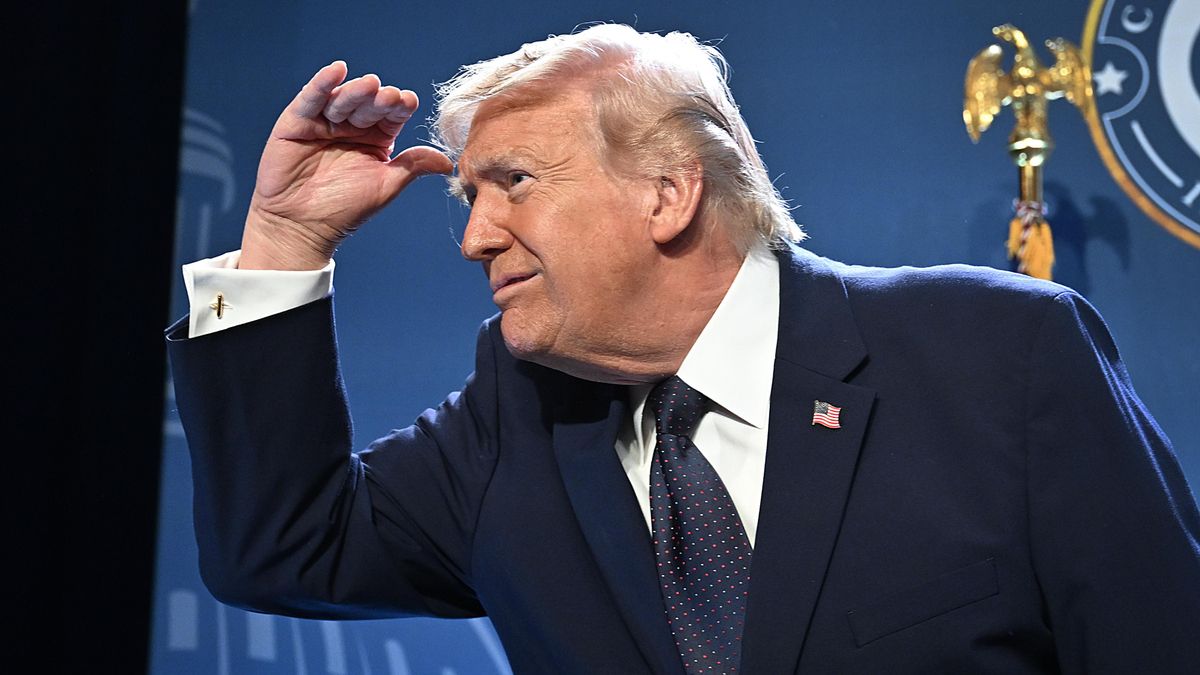
Trump Demands Ceasefire as Iran and Israel Trade Strikes
The fragile ceasefire between Iran and Israel has collapsed, with both sides launching direct attacks on each other's territory for the first time in months.
US President Donald Trump has called for an immediate halt to the fighting, warning that the escalating conflict threatens to spiral into a wider regional war. The situation remains highly unstable, with both nations warning they will retaliate if attacked again.
Full ArticleThe ceasefire between Iran and Israel, which had been holding since April, collapsed over the weekend after a series of escalating attacks. The violence began when Israel struck targets in Beirut, Lebanon, on Sunday [168106][168955]. Iran responded by firing ballistic missiles at Israeli cities for the first time since the ceasefire began [168106][169005]. Israel then launched strikes on military targets inside Iran, including Tehran, Isfahan, and Tabriz [168642][168782].
President Trump issued an urgent call for both sides to stop fighting. In social media posts on Monday, he urged them to "immediately stop 'shooting'" [168078]. He later announced that Iran and Israel were "looking to do an immediate CEASEFIRE!" [168078]. Trump also said he had personally asked Israeli Prime Minister Benjamin Netanyahu not to retaliate against Iran's initial attack [168106].
Despite Trump's intervention, Israel carried out its bombing of Iran as scheduled [168106]. However, both sides later announced a halt to the latest round of attacks [168272][168505]. Iran said it had completed its "response attacks," while Israel's military stated it was ready for further fighting if needed [168642]. Netanyahu appeared on Monday evening to say the campaign against Iran was over "for now," but threatened a harsh response if Iran attacks again [168642].
The collapse of the ceasefire has exposed growing differences between Trump and Netanyahu [168595][168955]. Trump, who faces elections this year, wants to end an unpopular war and reopen the Strait of Hormuz to lower gas prices [168595]. Netanyahu is under pressure at home to stop attacks from Hezbollah and show he is winning the war [168595].
Lebanon remains a key obstacle to any lasting peace. Iran insists that any agreement must include a ceasefire in Lebanon, where Israel has been fighting the Iran-backed Hezbollah militia [168595][168642]. Israel wants to continue its military campaign in Lebanon until Hezbollah is eliminated [168595].
Analysts warn that the situation remains highly unstable. "A deal with Washington has little value if the US cannot—or will not—stop Israeli actions," said Trita Parsi of the Quincy Institute [168642]. Another analyst, Danny Citrinowicz of the Atlantic Council, said Trump may need to pressure Israel to stop its military campaign to keep a diplomatic deal alive [168642].
The violence has also drawn in Yemen's Houthi rebels, who announced a blockade on Israel in the Red Sea in coordination with their Iranian allies [168642]. The Houthis have been blocking Red Sea ships heading to Israeli ports since November 2023, causing a massive loss of revenue for Egypt and bankrupting the Israeli port of Eilat [168644].
Pakistan, the lead mediator in the talks, has called for restraint. "Especially when the final goal is about to be reached," Prime Minister Shehbaz Sharif said [168642].
The ceasefire remains fragile, with no formal agreement made public. Both sides have kept up aggressive language, warning they will strike back if hit again [168272][168535]. The end of the war, which the US government has been announcing for weeks, may still be far off [168642].
Sources