Iran Backs Down? Ceasefire Holds, But Peace Talks at Risk
Part of composite article Iran Deal to Be Signed Sunday? Trump Says Yes, Iran Says No View full article →
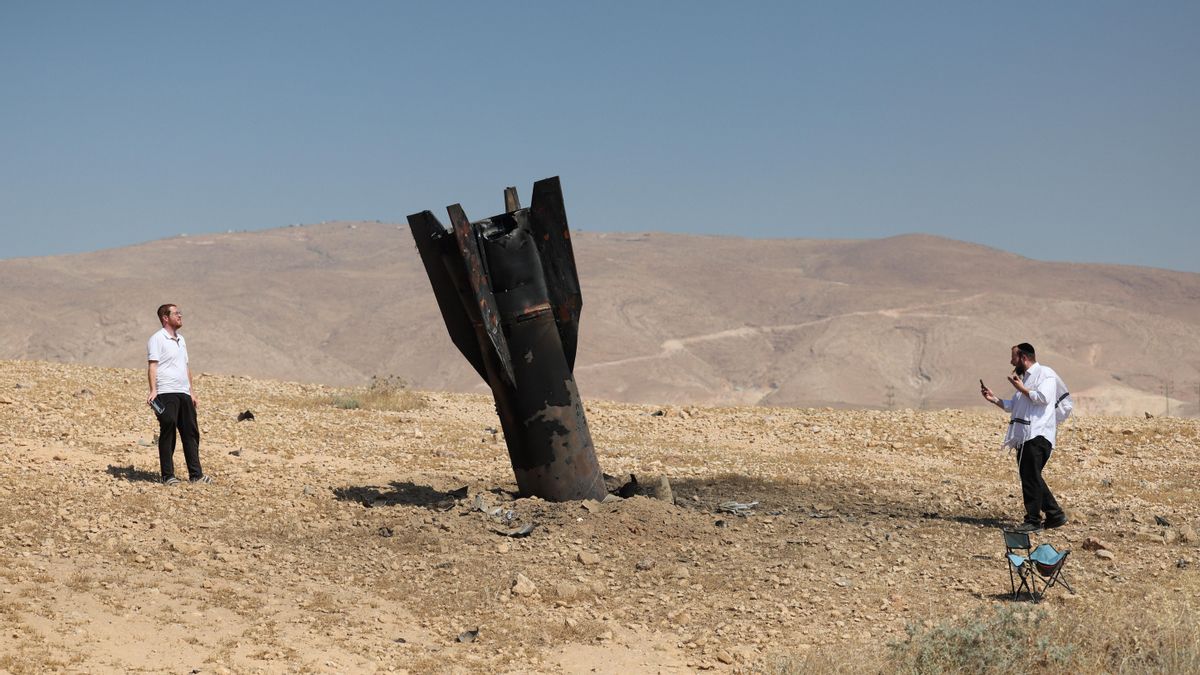
Iran and Israel have announced a halt to their direct attacks, but the fragile truce leaves the region on edge. The escalation marks the first time Israeli strikes on Hezbollah became a direct cause for war with Iran, also pulling Yemen’s Houthi rebels back into the conflict. The outcome of peace negotiations with the United States remains uncertain.
Inside Iran, a debate is raging. Some in Tehran, encouraged by past military successes and control of the Strait of Hormuz, want to turn this moment into a point of no return with Israel. A minority would welcome abandoning ceasefire talks with the US, a result they have pushed for weeks. However, other voices believe Iran can use tensions between Israel and the US to speed up a deal with a US president desperate to exit a war that shows American diplomatic and military weakness.
Iran’s Foreign Ministry spokesman, Esmail Bagaei, has had to balance both sides. He questioned the idea that Israeli Prime Minister Benjamin Netanyahu acted against President Trump’s wishes, but then suggested Israel may be trying to sabotage US-Iran talks out of fear a deal would weaken it. Bagaei insisted dialogue with the US, conducted indirectly through Pakistan, continues. He also warned Iran’s regional allies against disarming too early, comparing it to a fable about a lion that cut its claws for love and was then attacked.
“The era of strategic patience is over and there is no going back,” said Iranian commentator Hassan Ahmadian. “Iran and its allies are determined to impose new rules of combat.”
The Islamic Revolutionary Guard Corps (IRGC) has stated it is ready to attack energy facilities in Gulf states. “If attacks on energy infrastructure continue, all oil and gas facilities associated with Israel, the US, and their allies will be targeted,” the IRGC said.
Iran’s demands in negotiations have remained steady: a ceasefire in Lebanon including the withdrawal of Israeli forces, the release of half of Iran’s frozen assets (about $12 billion), some Iranian control over the Strait of Hormuz, and detailed talks on how Tehran will guarantee it is not seeking a nuclear weapon. Trump has been close to accepting these terms but is trying to find a way to present them to the US public.
The battle over blockades in the Strait of Hormuz is tilting in Iran’s favor. The risk of global oil reserves running out, which could collapse the world economy from Japan to Brazil, seems more dangerous than Iran running out of cash and oil exports. The democratic West’s ability to absorb economic shock is not as strong as Iran’s regime.
The Houthi intervention further tips the balance. Their impact depends on whether they expand their blockade beyond Israeli shipping in the Red Sea to a wider embargo on hostile shipping. The Bab al-Mandab strait, connecting the Red Sea to the Gulf of Aden, is a key escape valve for oil exporters. Saudi oil flow surged through its east-west pipeline after the Hormuz closure, diverting millions of barrels to the Red Sea. The Houthis have not said they will block this flow, but that could change.
The Red Sea route carries 15% of global maritime trade, and the Strait of Hormuz about 20%. A simultaneous total closure of both would put massive pressure on the route around South Africa’s Cape of Good Hope.
The Houthis began blocking Red Sea ships heading to Israeli ports in November 2023, bankrupting the Israeli port of Eilat. The number of ships passing through the Suez Canal dropped by more than half in 2024, causing a massive loss of revenue for Egypt. The Houthis, involved in back-channel peace talks with Saudi Arabia to end Yemen’s civil war, have been reluctant to rejoin the conflict. They now face a choice: intensify the blockade or wait for Iran to make the first move.