Iran Fires Missiles at Israel After Netanyahu Defies Trump’s Warning—Ceasefire Shatters in 48 Hours
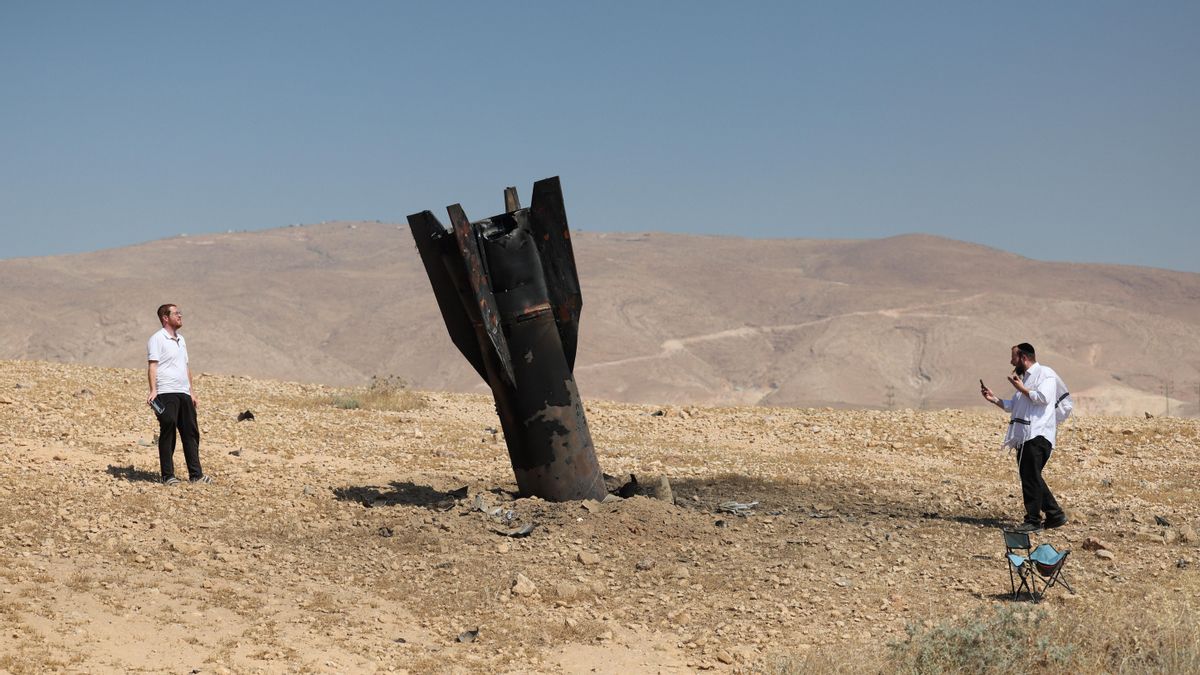
Israel bombed Beirut and Iran, Iran launched ballistic missiles back at Israel, and the U.S.-brokered ceasefire collapsed within two days after Prime Minister Benjamin Netanyahu ignored President Donald Trump’s public order not to strike Lebanon’s capital [168955][168642]. Trump had warned Israel to avoid hitting Beirut, but Israeli jets struck the suburbs Sunday, triggering Iran’s first ballistic missile attack on Israel since April [168955][168642]. Israel then bombed targets across Iran, including Tehran, Isfahan, and Tabriz [168642]. Both sides agreed to halt hostilities Monday morning after Trump’s urgent intervention, but aggressive rhetoric continues [168642].
The escalation began when Israel struck Hezbollah targets in Beirut’s suburbs Sunday, directly violating Trump’s warning [168955][168642]. Iran responded by firing ballistic missiles at Israel for the first time since the April ceasefire [168876][168642]. Israel retaliated with airstrikes on central and western Iran [168312][168572]. The Israeli military said it is preparing for days of fighting or a longer campaign [168602][168642].
Trump spent two days in urgent talks to stop the fragile truce from collapsing, publicly ordering both sides to stop “shooting” immediately [168642]. He had privately and publicly warned Netanyahu not to sabotage a potential deal, telling the Financial Times, “I make the decisions. He does not make the decisions” [168642]. A phone call eventually forced Netanyahu to back down; the Israeli prime minister appeared Monday evening to say the campaign against Iran was over “for now,” but threatened a harsh response if Iran attacks again [168642].
Iran now insists any agreement must include the situation in Lebanon, where Israel invaded last month to fight the Iran-backed Hezbollah militia [168642]. Israeli bombings of Beirut suburbs on Sunday triggered the escalation, which was stopped at the last minute Monday [168642]. Iran’s Foreign Ministry spokesman Esmail Bagaei suggested Israel may be trying to sabotage U.S.-Iran talks out of fear a deal would weaken it, but insisted dialogue with Washington, conducted indirectly through Pakistan, continues [168644].
The Strait of Hormuz blockade remains a key factor. Iran’s Islamic Revolutionary Guard Corps (IRGC) has stated it is ready to attack energy facilities in Gulf states if attacks on energy infrastructure continue [168644]. The Houthi rebels in Yemen, coordinating with Iran, have announced a blockade on Israel in the Red Sea and fired at least one missile at Israel [168642][168850]. The Houthis began blocking Red Sea ships heading to Israeli ports in November 2023, bankrupting the Israeli port of Eilat [168644].
Iran’s demands in negotiations have remained steady: a ceasefire in Lebanon including the withdrawal of Israeli forces, the release of half of Iran’s frozen assets (about $12 billion), some Iranian control over the Strait of Hormuz, and detailed talks on how Tehran will guarantee it is not seeking a nuclear weapon [168644]. Trump has been close to accepting these terms but is trying to find a way to present them to the U.S. public [168644].
“The era of strategic patience is over and there is no going back,” said Iranian commentator Hassan Ahmadian [168644]. “Iran and its allies are determined to impose new rules of combat.”