U.S. Inflation Battle Threatens Years of Global Economic Pain
U.S. Inflation Battle Threatens Years of Global Economic Pain The world economy is bracing for a prolonged period of strain, driven by America's ongoing fight against high prices. Analysts warn that persistent U.S. inflation could force the Federal Reserve to keep interest rates high for an extended period, creating a chain reaction that weakens currencies and slows growth across the globe for years [130979]. The core of the problem is the sheer size of the U.S. economy. When the Federal Reserve raises interest rates to cool domestic inflation, it makes dollar-denominated investments more attractive. This pulls global capital toward the United States, strengthening the U.S. dollar while simultaneously weakening other currencies [130979]. A stronger dollar makes imports more expensive for other nations and dramatically increases the cost of repaying debt held in U.S. dollars by foreign governments and companies [130979]. This dynamic presents a severe and lasting challenge, distinct from temporary supply chain disruptions. Experts compare the potential crisis to the 2021 Suez Canal blockage but warn an internal U.S. "supply-side shock" would be far more severe because global markets cannot route around it [130979]. The strain is already visible within the United States. A new Federal Reserve report notes that while business activity continues to grow, American consumers are cracking under financial pressure. Households are pulling back on spending, trading down to cheaper products, and increasingly relying on credit cards and savings to make ends meet [129942]. This mounting pressure on consumers is a direct result of the high prices and interest rates the Fed is using to combat inflation [129942]. The situation is further complicated by geopolitical conflicts, which the Federal Reserve cites as a source of "heightened uncertainty" for businesses, adding another risk to future economic stability [129942]. Analysts note that the economic shockwaves from ongoing wars could reshape trade and energy markets for a decade or more, creating a difficult backdrop for global recovery [124481]. For now, the Federal Reserve's focus remains on subduing inflation at home. However, the latest data and expert warnings make clear that the consequences of this battle will not be contained within U.S. borders, setting the stage for a turbulent period for the worldwide economy [130979] [129942]. U.S. Inflation Could Hit Global Economy for Years, Experts Warn Fed Sees "War-Driven Uncertainty" as U.S. Consumers Crack Under Pressure Beyond the Battlefield: A War's Economic Shock Could Last for Years
Articles in this Cluster

Hiring Tears: Kenya Sees Rise of Professional Mourners

Americans Fear Economic Ripple Effects of Iran Conflict
U.S. Inflation Could Hit Global Economy for Years, Experts Warn
A Coal-Powered Car and a Water War: Thursday's World in Photos
Botswana Eyes Farming Boom to Boost Economy
China’s Economy Beats Forecasts, But Not How You Think

2026 Economy: Five Critical Questions
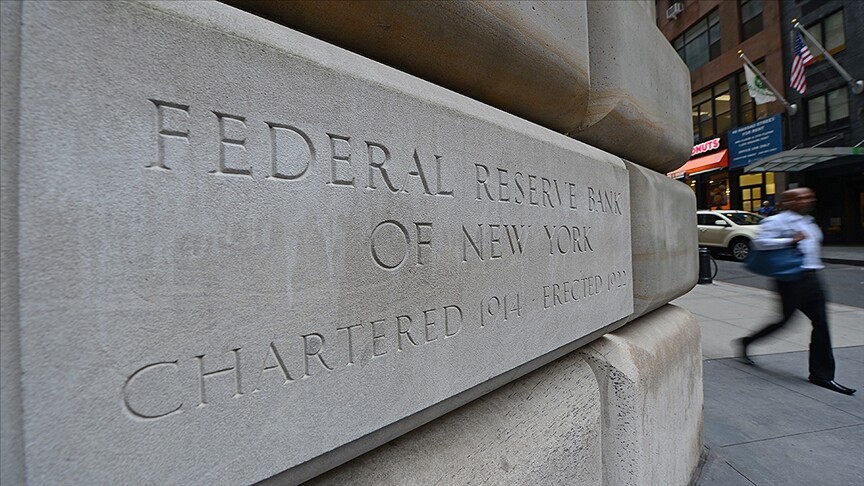
Fed Sees "War-Driven Uncertainty" as U.S. Consumers Crack Under Pressure
Botswana Shakes Up Land Rules: From Counting Plots to Creating Jobs
Tax Day Overshadowed by Gaza War, Hurting GOP's Economic Message
Trump's Venezuela "Loot" Plan Risks U.S. Economic Power
Economics in 2024: A Strange Brew of Tariffs, AI, and "Vibecession"