China Bets Billions on AI and Chips to Break US Tech "Chokehold"
China Bets Billions on AI and Chips to Break US Tech "Chokehold" A massive, state-coordinated push to achieve technological self-sufficiency is reshaping the global tech landscape, as China directs hundreds of billions of dollars toward breaking foreign dependencies in semiconductors and artificial intelligence (AI) [51155][95150][86995]. The drive is a direct response to U.S. export controls that restrict China's access to cutting-edge chipmaking technology, a strategy experts describe as a strategic "chokehold" [51155][86995]. In response, Chinese provinces and cities are launching enormous investment funds targeting these critical sectors. Shanghai recently unveiled a $10 billion plan focusing on microchips and AI, among other advanced industries [43531]. This follows the launch of a new national semiconductor fund worth over $47 billion, aimed at building a domestic supply chain for chip manufacturing equipment [86995]. Simultaneously, the eastern tech hub of Zhejiang announced a five-year plan to develop advanced AI chips as small as 3 nanometers [51155]. This investment surge is part of a formal national strategy outlined in China's latest five-year plan, which prioritizes frontier technologies like AI and nuclear fusion to secure a "steadier footing" and reduce reliance on other nations [95150]. Analysts note a clear strategic pivot from a decades-long policy of absorbing foreign technology to one focused on creating and dominating next-generation fields [59734]. The approach highlights a fundamental divide in the U.S.-China tech race. While American development is largely market-driven, China's strategy is defined by state coordination, deploying AI as a core component of national infrastructure aligned with government planning [109135]. The goal is to transition Chinese firms from followers to global leaders in high-tech industries [59734][18411]. The scale of China's manufacturing capacity and state support is leading to what analysts call "China Shock 2.0"—a potential flood of advanced goods like electric vehicles and semiconductors that could lower global prices and disrupt established international companies [128200]. This competition extends beyond factories to a broader "quiet war" for resources and supply chain control, as both superpowers race to secure the minerals and technologies that power the modern economy [47692]. AI Power Demand Positions China's "Electrostate" for Gain Amid Middle East Conflict China's New Plan: Beat US Tech Rivals with AI and Fusion Power China Bets $47 Billion to Break the Chip Barrier Shanghai Bets $10 Billion on Chips and AI in Tech Race China's Tech Pivot: From "Catch-Up" to Cutting-Edge AI War: US Bets on Markets, China Bets on Control China's "Shock 2.0": A Flood of High-Tech Goods Reshapes Global Industries The New Great Game: A U.S.-China Clash Over Resources Begins China’s Corporate Giants Seek New Frontiers Abroad
Articles in this Cluster
China's New Rules: Leave and You Could Be Punished

Quad Targets Myanmar's Rare Earths to Counter China

China's "Shock 2.0": A Flood of High-Tech Goods Reshapes Global Industries
China's North Korea Move: A Calculated Play Before Trump Talks
AI Power Demand Positions China's "Electrostate" for Gain Amid Middle East Conflict
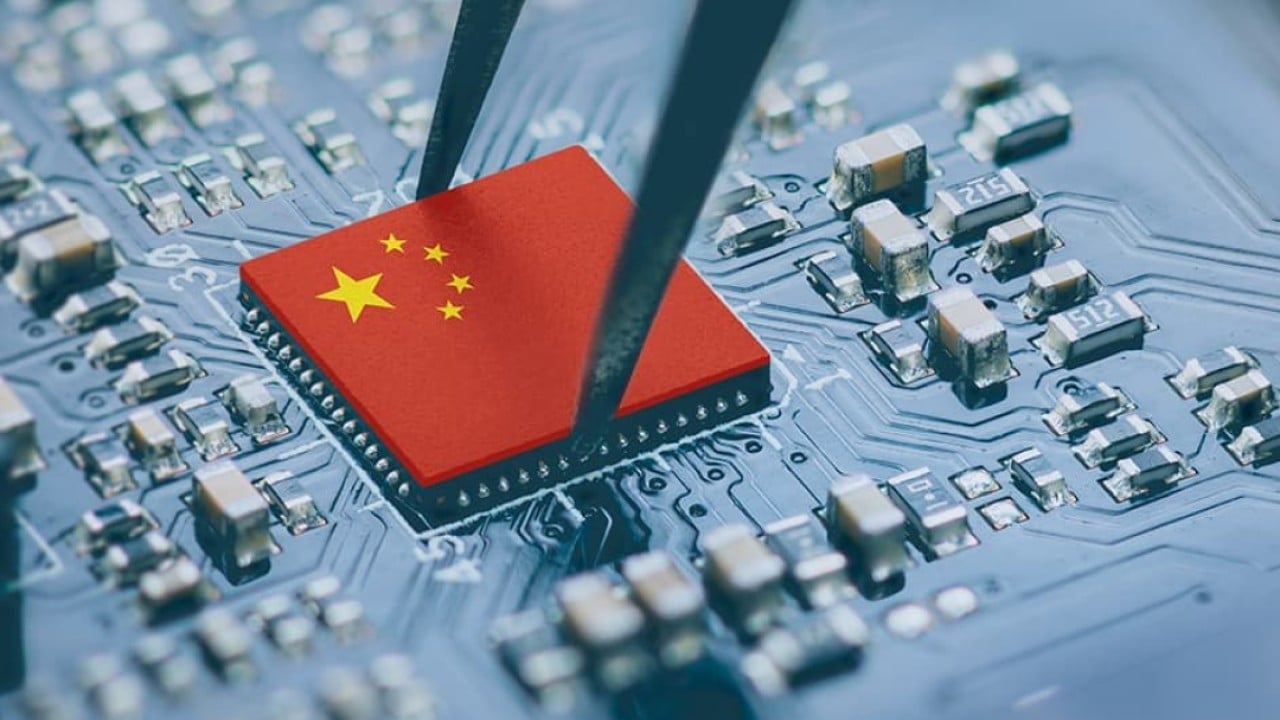
China Targets 3nm AI Chips to Break US "Chokehold"
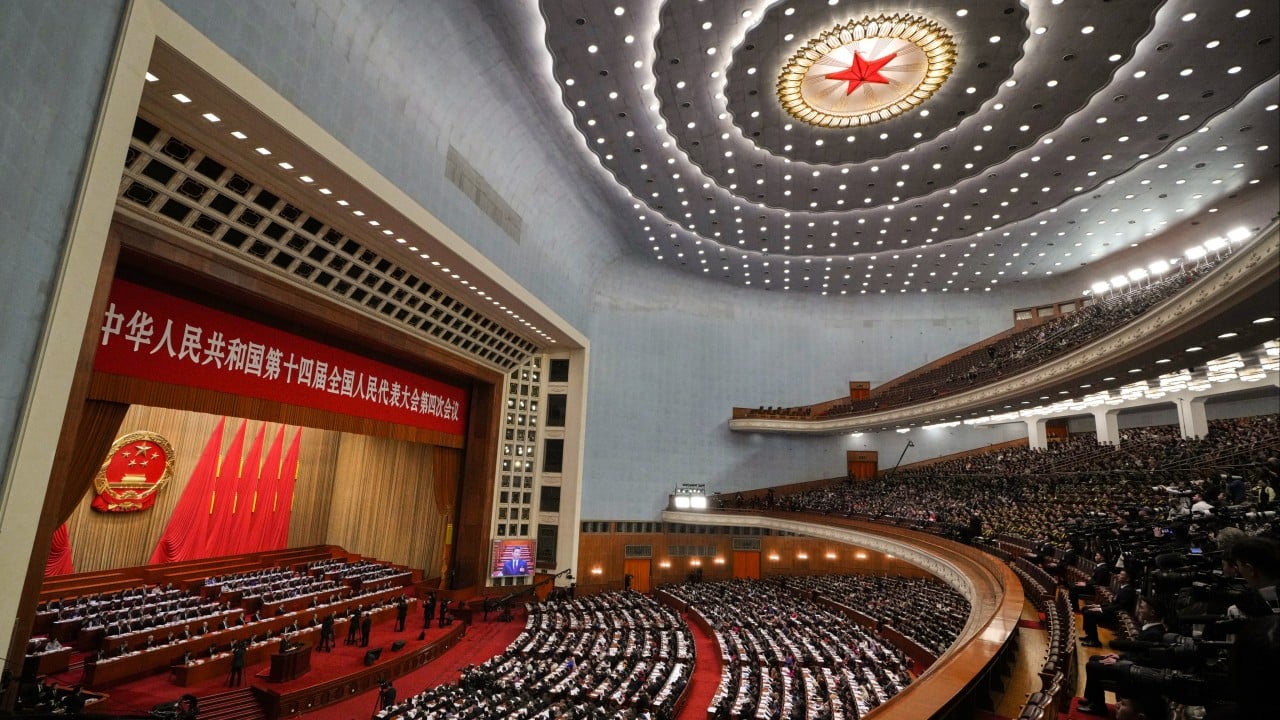
China's New Plan: Beat US Tech Rivals with AI and Fusion Power

China's Tech Pivot: From "Catch-Up" to Cutting-Edge

AI War: US Bets on Markets, China Bets on Control
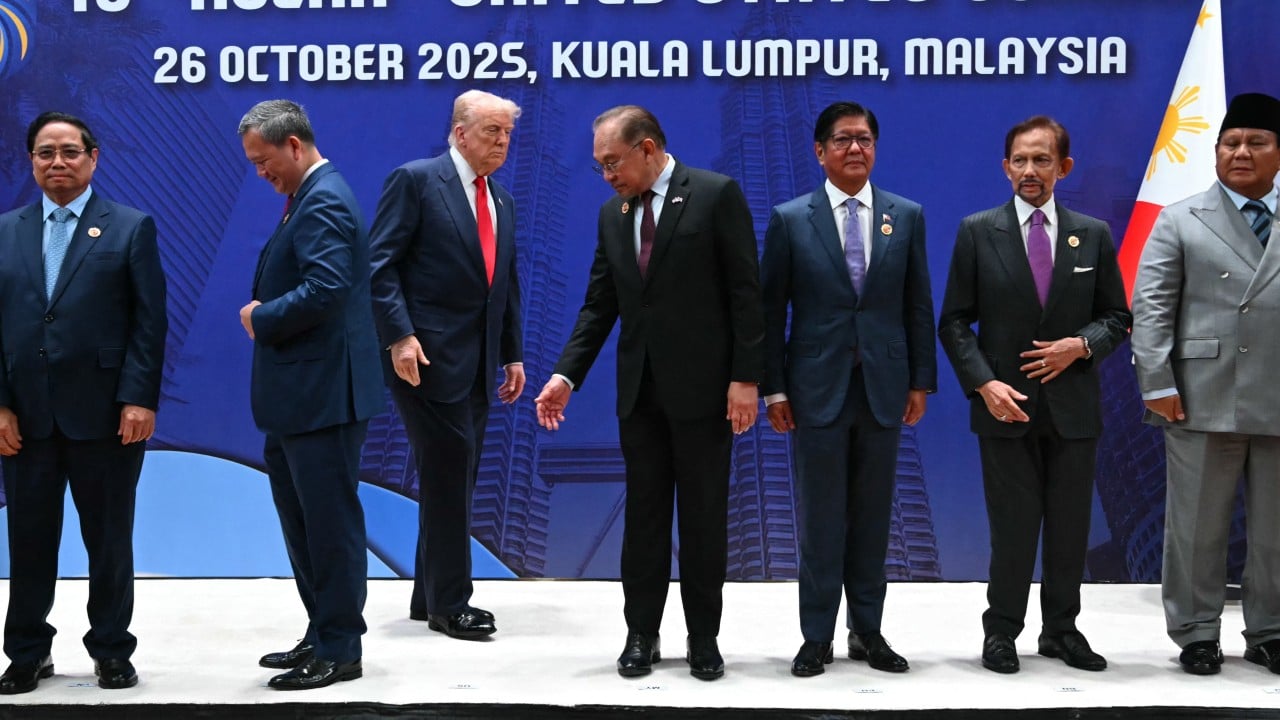
Trump Doubts Shake Asia's China-US Tightrope
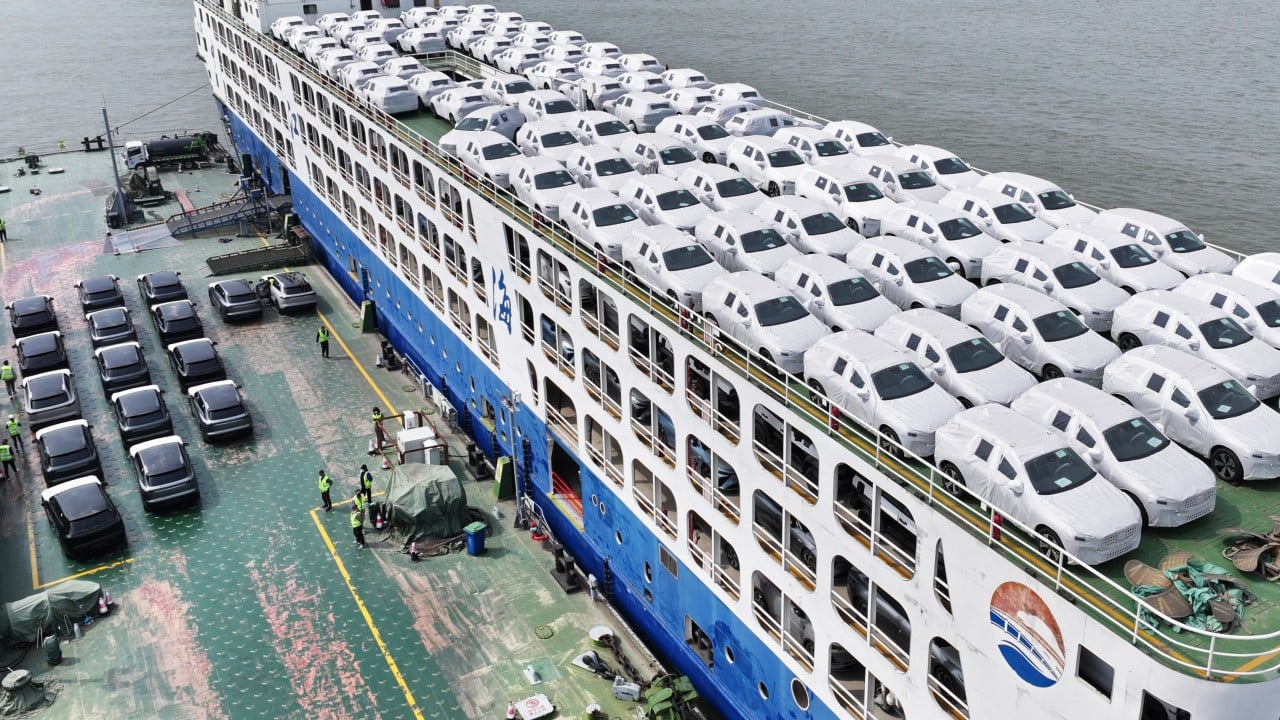
China’s Corporate Giants Seek New Frontiers Abroad
China Bets $47 Billion to Break the Chip Barrier
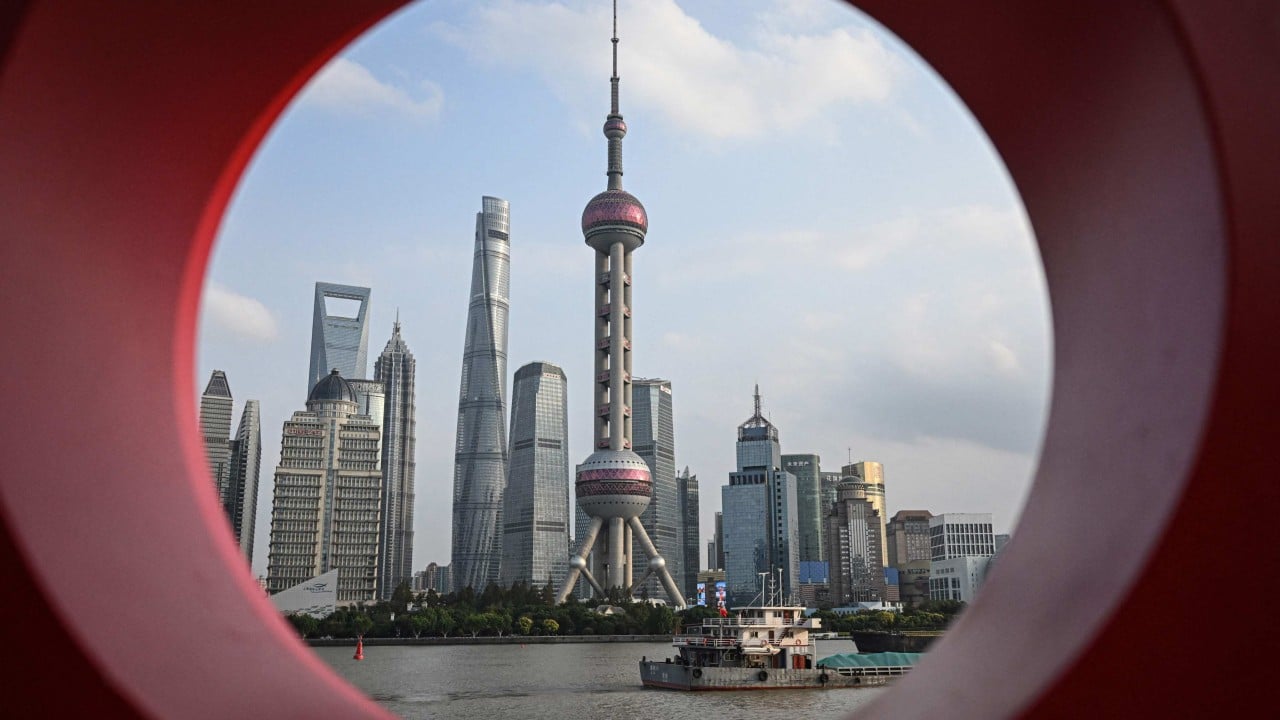
Shanghai Bets $10 Billion on Chips and AI in Tech Race

The New Great Game: A U.S.-China Clash Over Resources Begins