Latest News
Stay updated with the latest news and articles
Top Stories
Turkey Assumes Command of Major NATO Naval Force, Leads Key Drills with 2,000 Troops
Turkey Assumes Command of Major NATO Naval Force, Leads Key Drills with 2,000 Troops Turkey has taken command of a critical NATO naval strike group and is deploying thousands of troops and homegrown military technology to major alliance exercises across Europe, underscoring its expanding role in transatlantic security. The Turkish Naval Forces formally assumed leadership of the NATO Amphibious Task Force and its Landing Force Command on July 1, a role they will hold for one year [54453]. This command position gives Turkey operational control over a powerful naval group designed for assaults from sea to land, putting Ankara in charge of planning and leading NATO exercises and potential missions in the region [54453]. Concurrently, Turkish forces are participating in NATO's largest exercises this year. Approximately 2,000 Turkish troops have deployed to Germany’s Wunstorf Air Base for the Steadfast Defender 24 drills, a major demonstration of the alliance's rapid deployment capabilities across member states [70222]. In a separate, large-scale exercise named Steadfast Dart 2026, Turkish naval and army units are conducting complex joint amphibious operations in Germany, showcasing domestically produced defense platforms alongside allied nations [80228]. The command assignment is part of NATO's routine rotation of leadership duties among member nations [54453]. However, Turkey's simultaneous, high-profile participation in major drills highlights its active military contribution to the alliance. The exercises test NATO's readiness and ability to operate cohesively in a crisis scenario [80228]. Turkey Assumes Command of Key NATO Naval Strike Force NATO's Biggest 2024 Drill Begins with Turkish Troops Landing in Germany Turkish Forces Deploy Homegrown Tech in Major NATO Drill



Ukraine Intensifies Drone War, Striking Russian Oil Hubs as Truce Talks Stall
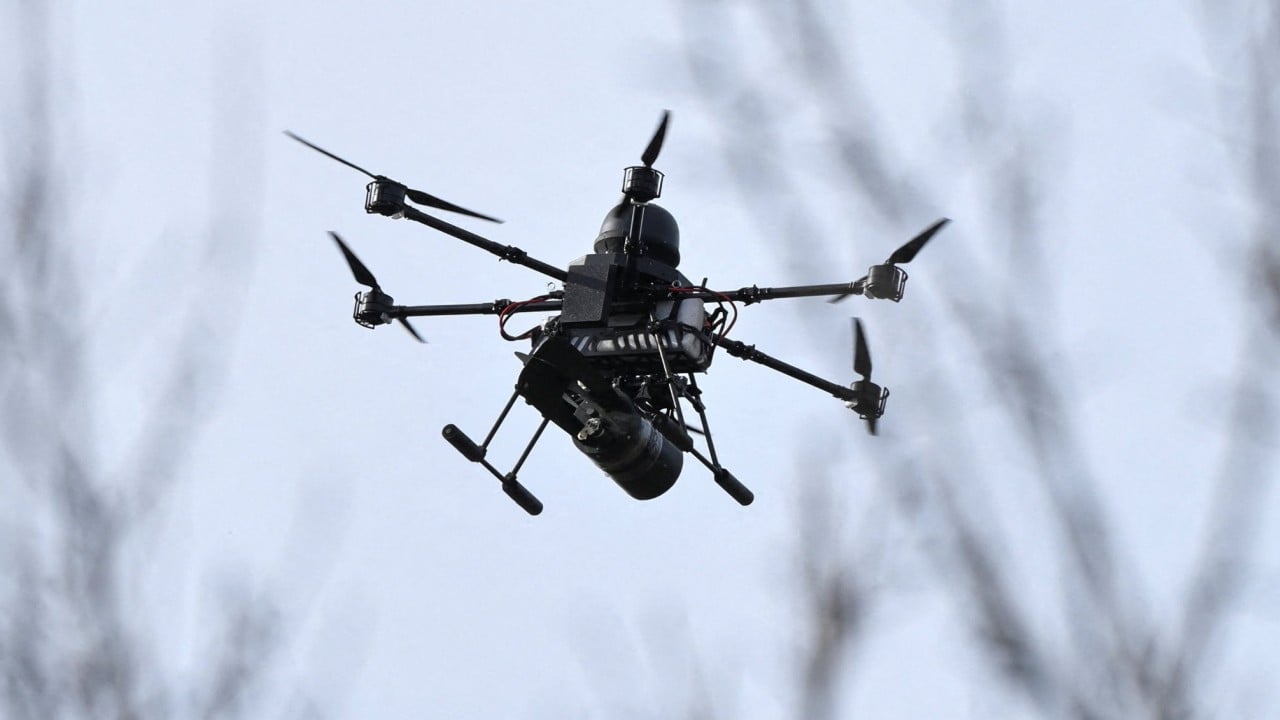
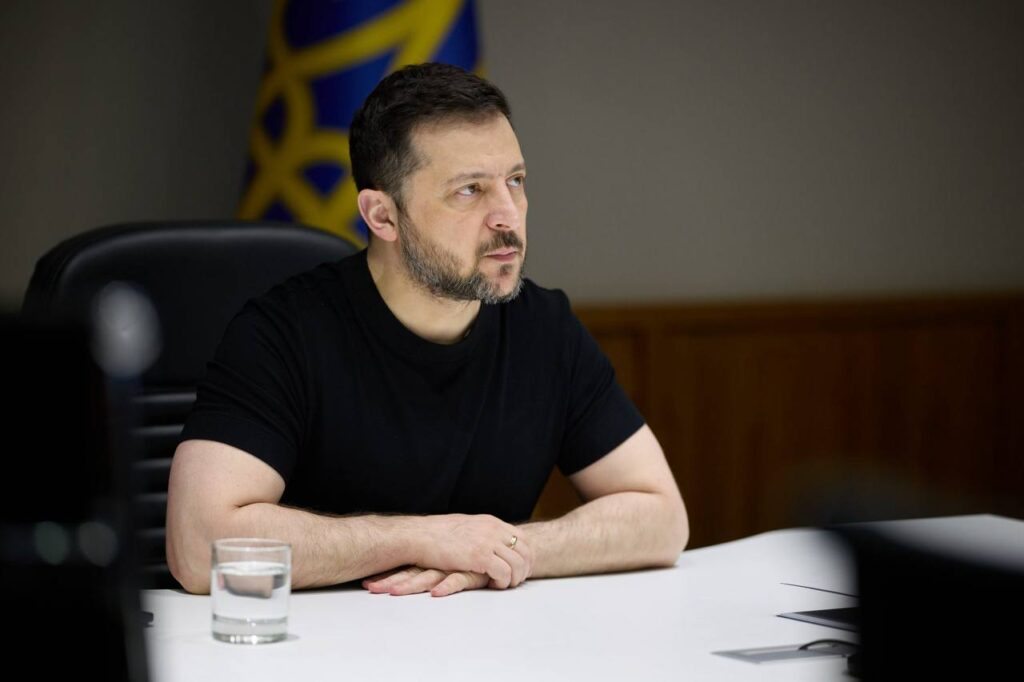
Ukraine Intensifies Drone War, Striking Russian Oil Hubs as Truce Talks Stall Ukraine is escalating a campaign of long-range drone strikes against Russia's critical energy infrastructure, targeting oil refineries, pumping stations, and export terminals to cripple the Kremlin's war economy. The strategy comes amid a stalled peace process and a series of short-lived ceasefire proposals centered on Orthodox Easter. President Volodymyr Zelenskyy has stated the energy strikes will continue until Russia halts its own devastating attacks on Ukraine's power grid [125247]. "If we don't hit them in the face, they will hit us and won’t feel what war is," Zelenskyy said, framing the operations as a necessary response [125247]. Recent Ukrainian attacks have caused significant disruption. A strike ignited a major fire at the "Krymskaya" oil-pumping station in southern Russia, a key node feeding the vital Black Sea export port of Novorossiysk [125245]. In occupied Crimea, Ukrainian forces set the massive Feodosiia Marine Oil Terminal ablaze, with satellite data confirming the large-scale fire at this crucial Russian military fuel hub [123982]. Separately, Ukrainian special forces operating deep in occupied eastern Ukraine successfully destroyed advanced Russian air defense systems, including a Buk-M3 and a Tor-M2 launcher, as well as a sophisticated Zoopark-1M counter-battery radar [123982]. Despite the ongoing strikes, diplomatic maneuvers continue. Zelenskyy has publicly urged Russia to extend a temporary Easter truce into a lasting peace, stating Ukraine is prepared to take "symmetrical steps" if attacks cease [125368]. Ukraine has also formally proposed, via U.S. mediators, a mutual "energy ceasefire" where both sides would halt strikes on power infrastructure [122336]. Russian President Vladimir Putin unilaterally announced a brief Easter truce, but there was no immediate confirmation from Kyiv and previous ceasefires have quickly broken down [125391]. The peace process itself remains frozen. Trilateral talks involving Ukraine, Russia, and the United States have been stalled since February 2026, with the conflict receiving less international attention as global crises multiply [124967]. As it presses its military campaign, Ukraine is also racing to bolster its domestic energy security for next winter, aiming to stockpile a record 14.6 billion cubic meters of natural gas to withstand further Russian attacks on its grid [125096]. Zelenskyy: Ukraine Will "Make Russia Feel the War" With Energy Strikes Ukrainian Strike Hits Key Russian Oil Route, Triggers Major Fire Ukraine Strikes Russian Oil Hub, Hunts Air Defenses Deep in Occupied Territory Zelenskyy to Russia: Keep the Easter Peace Ukraine Proposes "Energy Truce" to Russia, Zelensky Says Putin Announces Easter Truce in Ukraine Zelensky Demands Ceasefire as Ukraine War Is Forgotten Ukraine Aims to Stockpile Record Gas to Survive Winter Under Fire

Global Powers Scramble for Africa's $3 Trillion Mineral Wealth in New "Silent Race"
Global Powers Scramble for Africa's $3 Trillion Mineral Wealth in New "Silent Race" A high-stakes competition for Africa's vast mineral resources is intensifying, as the United States, China, Russia, and other global powers vie for influence, partnerships, and access to the raw materials critical for modern technology and energy. This new "scramble," driven by economic and strategic interests, is forcing African nations to navigate complex deals while seeking greater benefits for their own economies [68293][83553][87433]. The race centers on minerals like lithium, cobalt, and rare earth elements, which are essential for manufacturing electric vehicle batteries, renewable energy systems, and consumer electronics. With global demand soaring, Africa's reserves have become a focal point for global industry and foreign policy [83553][68293]. This geopolitical contest was a dominant, if unofficial, theme at recent international summits. While a major European Union-Africa meeting officially focused on trade and minerals, the underlying context was the growing influence of rival powers like Russia and China on the continent [11355]. Similarly, an African Union assembly in Addis Ababa, intended to discuss water security, was overshadowed by discussions of port access and foreign military interest in the strategic Horn of Africa region [87433]. The strategies of the competing powers differ significantly. China employs a long-established model of offering infrastructure loans in exchange for mining access and trade deals [68293][44946]. Russia is expanding its security and political influence, particularly in West Africa's Sahel region, where military governments in Mali, Niger, and Burkina Faso have ejected French forces and welcomed Russian security assistance [67411][44946]. In response, the United States is promoting initiatives like the Minerals Security Partnership, which emphasizes transparency, high-standard investments, and building supply chains aligned with Western partners [68293]. African leaders are increasingly focused on ensuring this competition translates into tangible local benefits. Key demands include building local processing plants to create jobs, securing a larger share of the final value of exported minerals, and using resource wealth to fund sustainable development [68293][83553]. There is a growing consensus that without strong continental coordination, individual countries risk being pressured into unfair agreements that repeat historical patterns of extraction [83553]. The outcome of this silent race will profoundly shape Africa's economic future and its role in the global transition to green energy [83553]. China, US Race for Africa's Minerals. Who Wins in Africa? The New Scramble: Africa's Minerals and the Silent Race Global Powers Rush for Africa's Coast as Ethiopia Seeks a Port EU-Africa Summit Focuses on Trade and Minerals Amid Global Tensions U.S. and Russia in High-Stakes Scramble for Africa's Sahel African Nations Pivot from West to Russia and China Amid Economic Strain
Russia's Supreme Court Shuts Down Historic Human Rights Group as "Extremist"
Russia's Supreme Court Shuts Down Historic Human Rights Group as "Extremist" Russia's highest court has ordered the immediate closure of one of the country's oldest and most respected human rights organizations, Memorial, labeling it an "extremist" group [125265][125090]. The Supreme Court of Russia ruled on Tuesday that Memorial International is an extremist organization, a decision that legally bans all of its activities within the country [125090]. The ruling was delivered during a closed hearing, where judges stated the group was "clearly anti-Russian" [125265]. Founded in the late 1980s, Memorial first gained prominence for its work documenting the political repression and crimes of the Soviet Union's Stalinist era. Its mission later expanded to include monitoring and defending human rights in modern Russia [125090]. The Russian government had previously accused the organization of violating its law on "foreign agents" and of creating a false image of the Soviet Union [125090]. The group condemned the court's decision, calling it a major escalation that marks the beginning of a new phase of repression within Russia [125265]. The ruling is final under Russian law and cannot be appealed domestically, though Memorial's lawyers have stated they will seek recourse in higher international courts [125090]. The forced dissolution of Memorial signifies a pivotal moment in Russia's domestic politics, representing a severe narrowing of the space for independent civil society, historical research, and human rights advocacy [125090]. Russia Outlaws Historic Human Rights Group as 'Extremist' Russia's Supreme Court Bans Historic Human Rights Group


Pentagon Defends 3 Separate Military Strikes Amid Legal and Political Scrutiny
Pentagon Defends 3 Separate Military Strikes Amid Legal and Political Scrutiny The U.S. Department of Defense is mounting a public defense of multiple recent combat operations, insisting they were lawful amid questions from the press, political opponents, and the public. In the Caribbean, a senior defense official, Pete Hegseth, stated that ongoing American military actions are "lawful under both U.S. and international law" [15064]. The statement was a direct response to growing questions about the legal basis for the missions in the region. This follows the Pentagon's defense of a commander's decision to authorize strikes in Venezuela. A spokesperson confirmed that the actions taken by Admiral Bradley followed proper legal procedures, having been "approved by the best military and civilian lawyers throughout the chain of command" [17258]. Separately, Secretary of Defense John Hegseth addressed a specific incident where naval forces struck the same boat twice. He described the decision as occurring in the "fog of war," a term for the confusion of combat, and said he fully supported the admiral's choice to fire a second time to "eliminate the threat" [17273]. The legal justifications are also facing a challenge in the political arena. Senate Republicans are taking a rare step to protect the military authority used for the Venezuela operation, aiming to block a Democratic effort to repeal the 2001 Authorization for Use of Military Force (AUMF) that justified it [50051]. Republicans argue the repeal would weaken presidential authority during ongoing threats. Concurrently, the Pentagon is defending new rules that restrict some media outlets, citing national security needs in response to a lawsuit from The New York Times. Officials stated the purpose is to "stop activity that could compromise national security" [64596]. Pentagon Official Defends Legality of Caribbean Operations Pentagon Defends Commander's Decision in Venezuela Strikes Pentagon Defends Second Strike in "Fog of War" Incident Senate Republicans Move to Shield Trump's War Powers Pentagon Cites National Security in Media Lawsuit Defense

Benin's Voters Head to Polls in Two-Candidate Race Dominated by Islamist Threat
Benin's Voters Head to Polls in Two-Candidate Race Dominated by Islamist Threat Voters in Benin are casting ballots in a presidential election defined by a growing cross-border Islamist insurgency and a tightly controlled political field featuring only two candidates. The election on Sunday is widely expected to hand victory to Finance Minister Romuald Wadagni, the chosen successor of outgoing President Patrice Talon [125065]. Wadagni, 49, has managed the country's economy for the past decade and enjoys the full backing of the ruling party and state apparatus [125066][125064]. His sole opponent is Paul Hounkpè, a former minister of culture who leads the Cowry Forces for an Emerging Benin (FCBE) party [125064][125066]. Analysts describe Hounkpè as a moderate representing a segment of the historical opposition that agreed to participate under the current electoral rules, while other groups are boycotting or were barred from running [125064]. The campaign has been overwhelmingly dominated by the urgent issue of security. A spreading Islamist insurgency, fueled by cross-border raids from militant groups based in neighboring countries, is now the top concern for voters [125398]. The violence, which originates from conflicts in the Sahel region to the north, threatens the stability of the West African coastal nation, forcing candidates to focus their platforms on plans to protect civilians and secure borders [125398]. The election follows a period of significant political change in Benin, where opposition parties have faced restrictions, leading to the narrowed candidate list for this vote [125066]. The revised electoral system has been criticized by opponents as being designed to ensure a victory for Talon's political camp [125064]. Final results are expected in the coming days. Islamist Raids from Next Door Now Top Issue in Benin Vote Benin's Finance Minister Favored to Win Presidential Vote Two-Man Race: Benin's Presidential Election Nears Amidst Political Shift One vs. The Machine: Benin's Lone Opposition Candidate Takes on the Favorite

Ceasefire Teeters as Israel's Lebanon Strikes Kill 250, Sparking Regional Crisis
Ceasefire Teeters as Israel's Lebanon Strikes Kill 250, Sparking Regional Crisis A U.S.-brokered ceasefire between Iran and Israel is on the brink of collapse following major Israeli airstrikes in Lebanon that killed over 250 people and injured more than 1,000, marking the deadliest single attack in the ongoing conflict [125042]. The bombardment, which Lebanon has declared a national day of mourning for, directly challenges the fragile truce and has thrown critical peace talks into jeopardy [125011][125042]. The strikes occurred just as U.S. Vice President JD Vance traveled to Pakistan for mediated talks with Iran, aiming to find a resolution to the wider war [125524]. A high-stakes meeting between the United States and Iran opened in Islamabad on Saturday, even as former U.S. President Donald Trump publicly questioned the ceasefire's validity [125483]. Analysts say the U.S.-Iran deal relied on an unwritten understanding: Iran would restrain allied groups like Hezbollah in Lebanon, and the United States would restrain Israel [125011]. Wednesday's large-scale Israeli offensive into Lebanon is seen as a severe breach of that understanding, putting immediate strain on the agreement [125011][125042]. Israeli Prime Minister Benjamin Netanyahu has stated clearly that there is no ceasefire in Lebanon, even as his government approved direct negotiations with Lebanon, expected to take place in Washington next week [125483][125524]. The violence has overshadowed diplomatic efforts and sparked sharply divided reactions within Iran, where citizens expressed both relief and anger over the initial ceasefire announcement [125358]. The regional turmoil is having severe global economic consequences, disrupting key shipping lanes like the Strait of Hormuz—a vital route for oil and gas [125050]. India, which imports most of its cooking gas from the Middle East, has faced immediate shortages and long queues for fuel due to the conflict's disruption of supplies [125050]. The situation remains intensely volatile, with new Israeli strikes reported in Lebanon on Thursday, further imperiling the truce [125042]. All sides are now watching closely for any retaliatory action from Iranian-backed forces, which could shatter the ceasefire entirely and risk a wider regional war [125011]. Vance Flies to Pakistan for Iran Talks as Israel Strikes Lebanon Trump Questions Iran Ceasefire as Critical Peace Talks Begin Lebanon Mourns as Strikes Kill 250, Imperiling Truce U.S.-Iran Ceasefire in Jeopardy After Israeli Strikes in Lebanon Israel Announces Lebanon Talks Amid Iran Accusations Iranians React: Relief and Rage Over U.S.-Israel Ceasefire Deal India's Gas Crisis: How a Distant War Hit 1.5 Billion People


Oil Shock Fears Mount as Fragile Mideast Truce Threatens Global Economy
Oil Shock Fears Mount as Fragile Mideast Truce Threatens Global Economy A fragile ceasefire between the U.S. and Iran is failing to calm global economic fears, with top financial institutions warning that instability in the Middle East is already slowing worldwide growth and could trigger a severe recession. The conflict is creating dangerous uncertainty that is damaging the global economic outlook, according to the head of the International Monetary Fund (IMF). This negative effect persists even with a temporary pause in fighting, as the threat of renewed hostilities keeps markets on edge [125359]. The immediate danger centers on oil. Prices have surged repeatedly, and economists warn the situation could escalate from high prices to a full "oil shock"—a severe physical shortage of supply. Such a shortage would force factories to slow and disrupt transportation networks, doing more damage to the economy than expensive fuel alone [125055]. The recent, fragile ceasefire had offered a brief hope for relief, potentially lowering U.S. gas prices within weeks, but that prospect is fading as the truce weakens [125028]. The economic shockwaves are spreading far beyond the war zone. The Asian Development Bank (ADB) states the conflict presents a "formidable test" for Asia, cutting its growth forecast for developing Asia to 5.1% this year. The bank projects the campaign against Iran will halt the region's recent economic upswing, disrupting key industries like manufacturing and tourism [125429]. Analysts warn the economic damage may last for years, regardless of diplomatic outcomes. The fallout is expected to reshape global trade, sustain high energy costs, and fracture supply chains in a long-term shift mirroring the decade of instability that followed World War I [124481]. Central banks worldwide are now caught in a difficult bind. They must continue fighting inflation, which is worsened by high oil prices, but also avoid crushing economic growth that is already under threat from the conflict [125055]. The key question, economists say, is whether the ongoing oil market turmoil will be the final trigger that tips the global economy into a new recession [125055]. Middle East Conflict Slams Asia's Economic Growth IMF Chief: Iran War Already Hurting Global Economy Oil Shock: Could Fragile Mideast Truce Tip Global Economy Into Recession? Gas Prices to Fall? Iran Ceasefire Could Reshape U.S. Economy Beyond the Battlefield: A War's Economic Shock Could Last for Years

Ukraine Trades Battlefield Drone-Knowledge for Weapons and Gulf Clout
Ukraine Trades Battlefield Drone-Knowledge for Weapons and Gulf Clout Ukraine is leveraging its hard-won combat experience into a strategic barter system, sending its military experts abroad to teach allies how to shoot down drones in exchange for advanced weapons and diplomatic support. In a direct exchange of knowledge for arms, Ukrainian specialists are now deployed to several Gulf states, providing training on countering the specific threat of Iranian-designed drones. These unmanned aerial vehicles (UAVs), similar to the "Shahed" models used extensively by Russian forces against Ukraine, are also a persistent threat to infrastructure and security in the Middle East [112369]. President Volodymyr Zelenskyy confirmed the deployments, stating Ukrainian teams are active in "a half-dozen" countries. The arrangement turns Ukraine's battlefield-tested, cost-effective anti-drone tactics into a valuable diplomatic commodity [112369]. In return, Kyiv is seeking advanced air defense systems, such as Patriot missile batteries, which it urgently needs to defend against relentless Russian missile and drone attacks [112369]. The strategy represents a pragmatic shift, positioning Ukraine not just as an aid recipient but as a provider of critical defense expertise. "The deal is direct: Ukrainian specialists teach Gulf and NATO nations how to shoot down Iranian-made drones. In return, Ukraine receives more weapons and continued financial support," one report outlined [100935]. In a related proposal, President Zelenskyy has offered a broader exchange: the permanent deployment of elite Ukrainian anti-drone units to protect Gulf oil facilities and infrastructure. In return, he has asked Gulf nations, which are major buyers of Russian energy, to use their significant economic leverage to pressure the Kremlin toward peace [91239]. This move highlights two key assets in the geopolitical landscape. Gulf states possess economic influence over Russia, while Ukraine offers unparalleled, real-world expertise in defeating a shared security threat. The exchange ensures a continued flow of arms to Kyiv while simultaneously strengthening the air defenses of allied nations facing similar drone threats [100935][91239]. Ukraine Trades Air Defense Secrets for Gulf's Drone-Killers Kyraine Sells Drone-Knowledge for Weapons Ukraine Offers Gulf States a Deal: Our Drone Hunters for Your Leverage on Russia


Catastrophic Southeast Asia Floods Kill Over 1,400, Displace Millions
Catastrophic Southeast Asia Floods Kill Over 1,400, Displace Millions A series of devastating floods and landslides, triggered by weeks of exceptionally heavy rainfall, has killed more than 1,400 people and affected millions across Southeast Asia. The catastrophic weather has submerged villages, severed roads, and buried communities, prompting massive international relief efforts. The disaster has hit Indonesia, Sri Lanka, Thailand, and Malaysia with particular force [17624]. In Indonesia, the death toll has reached 995, with rescuers still searching for 226 missing people. Neighboring Sri Lanka reports 640 dead and 211 missing, bringing the combined fatalities across the two nations to over 1,600 [25217]. Millions of citizens have been impacted, with homes, infrastructure, and farmland destroyed [25217]. Southern Thailand has suffered a severe loss of life, with authorities there reporting at least 145 fatalities [14423]. The torrential rains caused rivers to overflow and saturated hillsides, leading to destructive landslides that have complicated rescue operations [14423][17624]. Emergency crews across the affected nations are working to evacuate residents from submerged towns, provide aid to displaced communities, and reach isolated areas [14786][20084]. Authorities are warning of additional dangers, including further landslides and the spread of waterborne diseases in the aftermath [11385]. The full scale of the destruction is still being assessed as response teams focus on delivering emergency shelter, clean water, and medical supplies [17624]. Deadly Floods and Landslides Claim Over 1,400 Lives Across Southeast Asia Massive Floods Kill Over 1,600, Affect Millions in Asia Deadly Floods and Landslides Claim Over 250 Lives in Southeast Asia Southeast Asia Reels From Widespread Flooding Deadly Floods and Landslides Claim Lives Across Southeast Asia Deadly Floods and Landslides Claim Over 1,500 Lives Across Asia


Latest Articles

Sara Duterte Leads 2028 Polls Despite Political Storms
Philippine Vice-President Sara Duterte-Carpio is the clear early favorite for the 2028 presidential election. This is despite a series of major polit...