Iran-Israel War Sparks Economic Crisis Across Vulnerable Nations
Iran-Israel War Sparks Economic Crisis Across Vulnerable Nations A widening conflict in the Middle East is threatening to derail fragile economies across South Asia and Africa, as soaring fuel prices and disrupted trade push nations reliant on imports and remittances toward a renewed crisis [121055][121124][120807]. Countries including Pakistan, Sri Lanka, and Bangladesh are on the front lines of the economic shockwaves. These nations depend heavily on imported fuel from the Middle East and on money sent home by millions of citizens working in the Gulf region [121055]. The war has driven the cost of energy and food to multi-year highs, creating a severe problem for governments already operating under strict International Monetary Fund (IMF) bailout programs with limited financial reserves [121055]. In Sri Lanka, which is still recovering from a deadly cyclone and a historic financial collapse, the conflict presents a dual threat. It risks reducing the vital flow of worker remittances from the Middle East while simultaneously increasing the cost of the fuel it must import [121124]. "The combined pressures risk undoing its fragile economic progress," analysts warn [121124]. The economic danger is spreading to Africa. The African Union and the African Development Bank (AfDB) issued a report warning that the war threatens to increase living costs and limit economic growth across the continent [121135]. Disruption to global trade and oil markets makes essential imports more expensive, which can reduce consumer spending and business investment [121135]. In direct response, the government of Senegal has banned all non-essential foreign travel for its ministers as an immediate cost-saving measure, blaming the global energy crisis triggered by the conflict [120807]. Like many African nations, Senegal imports most of its fuel and is acutely vulnerable to supply disruptions and price spikes originating from the distant war [120807]. Analysts note that these vulnerable countries have little room to maneuver. Their participation in IMF programs restricts their ability to subsidize prices or provide broad relief to citizens, raising the risk of significant social unrest as living costs soar [121055]. Iran War Shockwaves Threaten South Asian Economies New Mideast War Threatens to Sink Sri Lanka's Economy Again Iran-Israel War Could Stunt Africa's Economy, Warns Report Senegal Bans Minister Travel as Distant War Hits African Economy
Articles in this Cluster
Cambodia's Banking Crisis: A Warning Sign for the Entire Economy?

Used EV Sales Surge While New Car Market Slumps

EU Warns: Energy Bailouts Could Trigger New Fiscal Crisis
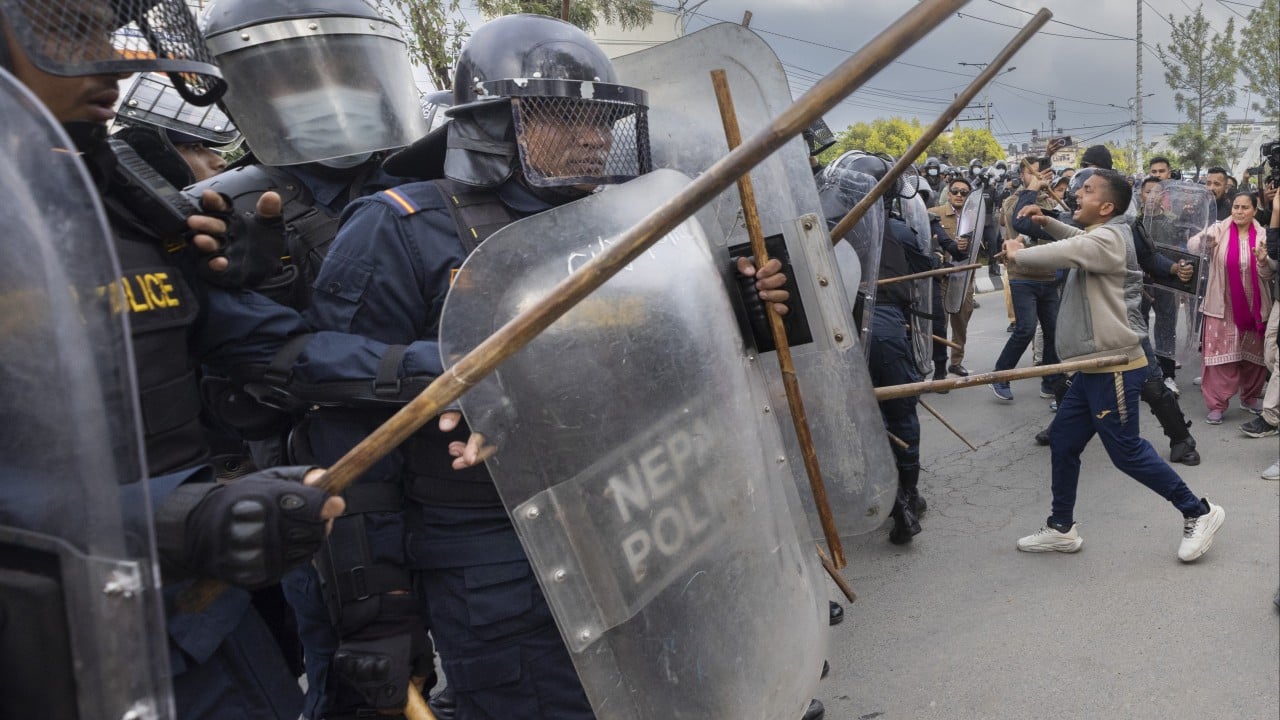
Iran War Shockwaves Threaten South Asian Economies

2026 Economy: Five Critical Questions

Senegal Bans Minister Travel as Distant War Hits African Economy
Botswana Shakes Up Land Rules: From Counting Plots to Creating Jobs

Iran-Israel War Could Stunt Africa's Economy, Warns Report
Trump's Venezuela "Loot" Plan Risks U.S. Economic Power
Economics in 2024: A Strange Brew of Tariffs, AI, and "Vibecession"

China's Real Estate Revolution: No Bailout, Just a Rebuild

New Mideast War Threatens to Sink Sri Lanka's Economy Again
China Shifts Focus from Property to "Peace of Mind"
