Only 36% of Global Goals on Track: Hunger Falls, But 2030 Deadline Looms
With just four years left to meet the 2030 Sustainable Development Goals (SDGs), the world is running out of time. According to the United Nations, only 36% of the 139 measurable SDG targets are on track or making moderate progress. There is a real risk that the 193 member states will fail to deliver on a significant portion of their promises.
Yet recent years offer a message of hope: progress is possible. The Food and Agriculture Organization (FAO) reports that world hunger fell from 733 million people in 2023 to 645 million in 2025. The World Bank notes that since 1990, extreme poverty has dropped by more than 60%, with nearly 1.5 billion people escaping it in a single generation.
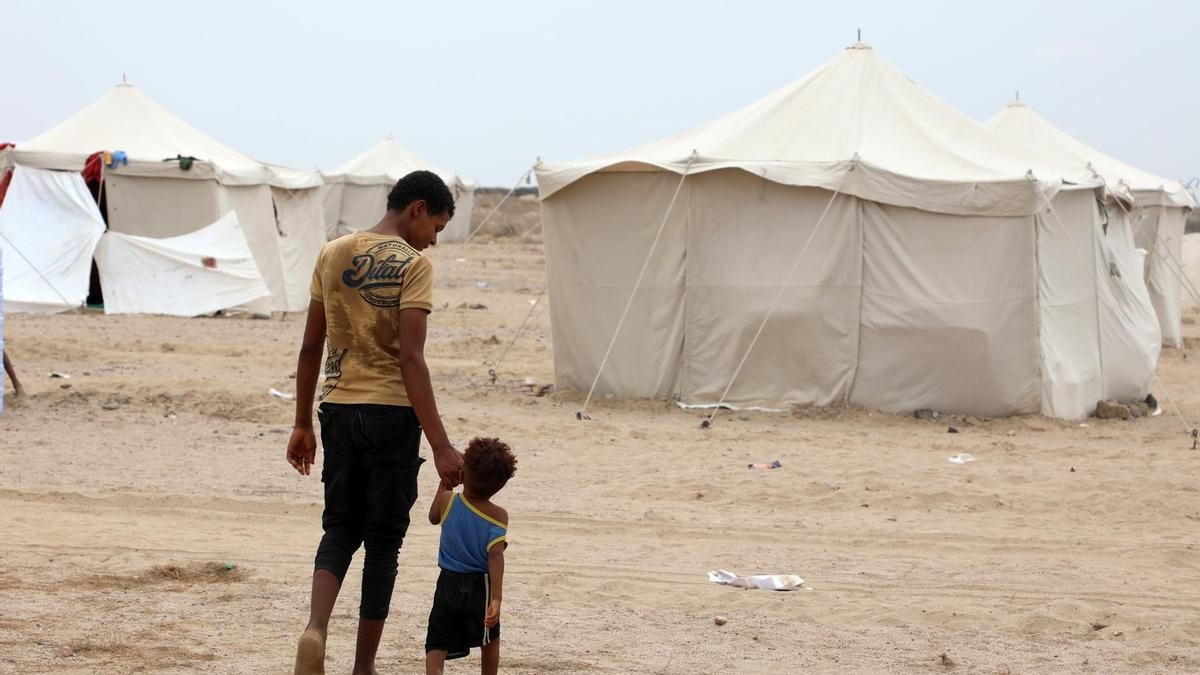
Hunger and poverty are not inevitable. With political will and proper funding, millions of lives can change. Behind every number is a person, and every person counts. The challenge for the next four years is to speed up progress and reach those still left behind.
The global picture is difficult. Rising conflicts, climate change, weakening multilateralism, and falling official development aid hit the most vulnerable hardest. More than 45 million additional people could face acute hunger due to the economic fallout of a prolonged war in the Middle East.
Each of these challenges is a reason to unite and work harder. Isolated initiatives and fragmented funding are not enough. We must scale up what already works: social policies, school meals, support for small farmers, economic inclusion, and climate resilience. This is the goal of the Global Alliance Against Hunger and Poverty.
Ending hunger and poverty also requires gender equality. Women play a key role in food systems, family farming, and sustaining communities. Yet they still face barriers to resources, finance, land, social protection, and economic opportunity. Gender equality must be built into policy design, strengthening women's economic independence, access to resources, and effective participation in decisions.
The Alliance offers an innovative model of cooperation. It coordinates efforts to support effective, country-led public policies at a large scale. Launched during Brazil's 2024 G20 presidency, the Alliance keeps expanding its reach. It now supports national programs in 19 countries at various stages of preparation and implementation, based on each government's priorities. Examples include livestock production programs in Ethiopia and social protection and cash transfer programs in Zambia.
At a side event during the 81st session of the UN General Assembly in New York, Brazil and Spain, as co-chairs of the Global Alliance, brought governments and partners together to discuss how to accelerate the fight against hunger and poverty in the four years left until 2030.
More investment is needed in integrated policies and partnerships that connect national priorities with international support. Financing mechanisms must also be strengthened to protect hard-won gains.
The next four years will be decisive. Hunger is not caused by a lack of food, but by inequality, exclusion, and political decisions. Whether we reach 2030 with meaningful results depends on the concrete choices we make now — and on the action the Alliance is already taking.