Latest News
Stay updated with the latest news and articles
Top Stories
AI Reshapes Global Industries: From Consulting Cuts to Olympic Commentary
AI Reshapes Global Industries: From Consulting Cuts to Olympic Commentary A wave of artificial intelligence is forcing major changes across global business, education, and entertainment, as companies and governments rush to adapt to the new technology. The world's largest consulting firm, PricewaterhouseCoopers (PwC), is planning a major restructuring of its global operations in a direct response to the rise of AI, which experts warn could automate many traditional consulting tasks [128415]. The strategic overhaul aims to future-proof the business by focusing on training its workforce in advanced AI skills and reshaping its services for the digital age [128415]. This shift is echoed in the automotive sector, where Nissan is cutting 20% of its car models and betting on AI to boost profits amid intense electric vehicle competition [128228]. The Japanese automaker says AI will be used in vehicle development, manufacturing, and customer service to improve efficiency [128228]. Meanwhile, nations are mobilizing to build AI competency. China has launched a nationwide "AI+ Education" action plan, requiring AI to be integrated into all stages of learning from primary school to adult career training to prepare its workforce for global tech competition [127274]. The technology is also moving into new frontiers of creation and communication. In the $190 billion video game industry, tech giants and startups are developing AI "world models" that can generate entire 3D environments, promising to automate and reduce the cost of game development [34854]. Separately, Alibaba Cloud will embed its large language model into the core digital systems of the 2026 Winter Olympics to power AI assistants that generate commentary, create social media summaries, and act as multilingual chatbots for staff [66986]. The push extends to fundamental research. A Chinese AI system recently solved a math problem that had puzzled experts for over a decade, working independently without human help to achieve a breakthrough in high-level reasoning [127270]. French startup AMI, backed by $1 billion in new funding, is pursuing a different path, aiming to build AI that learns about the physical world directly "in the way animals and humans do" [98165]. As AI handles more routine technical work, workplace dynamics are expected to change. Experts predict a rise in the value of "glue work"—human skills like mentoring, team coordination, and communication—which will become premium abilities as they are needed to hold projects together and ensure AI tools are used effectively [128201]. PwC to Slash 100,000 Jobs? AI Forces Consulting Giant's Overhaul Nissan Bets on AI, Cuts Car Models to Survive China Orders AI Lessons for All Students, From Primary School Up AI "World Models" Could Upend the $190 Billion Gaming Industry AI to Call the Shots? Alibaba Brings LLM to 2026 Winter Olympics AI Solves Decade-Old Math Puzzle, No Humans Needed French AI Startup Aims for Animal-Like Intelligence with $1 Billion Boost AI Era Set to Elevate Critical "Glue Work" in the Workplace


Turkey Takes Charge: Commands Key NATO Forces and Deploys Homegrown Tech in Major 2024 Drills
Turkey Takes Charge: Commands Key NATO Forces and Deploys Homegrown Tech in Major 2024 Drills Turkey has assumed a prominent role in NATO's military readiness, taking command of a major naval strike force while simultaneously deploying thousands of troops and domestically developed technology in the alliance's largest exercises this year. The Turkish Naval Forces formally took command of the NATO Amphibious Task Force and its Landing Force Command on July 1, a role they will hold for one year [54453]. This command position places Turkey in charge of planning and leading critical NATO exercises and potential missions involving coordinated sea-to-land assaults [54453]. Concurrently, approximately 2,000 Turkish troops have deployed to Germany to participate in NATO's Steadfast Defender 2024 exercise, the alliance's biggest drill this year [70222]. The first Turkish military aircraft landed at Germany’s Wunstorf Air Base, marking the start of the Turkish contingent's involvement in the widespread European maneuvers [70222]. In a related demonstration of military capability, Turkish naval and army units are conducting joint amphibious operations as part of the separate NATO exercise Steadfast Dart 2026 [80228]. A key feature of Turkey's participation is the operational use of its own domestically produced defense platforms, showcasing national technology on a multinational stage [80228]. These developments underscore Turkey's active and multifaceted role within the NATO alliance, combining strategic command responsibilities with large-scale troop contributions and the fielding of indigenous military systems. Turkey Assumes Command of Key NATO Naval Strike Force **NATO's Biggest 2024 Drill Begins with Turkish Troops Landing in Germany Turkish Forces Deploy Homegrown Tech in Major NATO Drill



Ukraine Goes on the Offensive: New Missiles, Space Launches, and Arms Deals Signal Strategic Shift
Ukraine Goes on the Offensive: New Missiles, Space Launches, and Arms Deals Signal Strategic Shift Ukraine is rapidly expanding its military capabilities, moving from a defensive posture to developing and exporting advanced weaponry while establishing a new presence in space. This strategic shift, driven by battlefield innovation, is being accelerated through key partnerships with Western defense firms. President Volodymyr Zelenskyy declared that, for the first time, Ukraine possesses sufficient weaponry to defend itself, crediting the widespread use of drones for reshaping the conflict [128281]. Building on this, he announced the country is now expanding government-to-government arms exports to share its combat expertise [128281]. A major development is the creation of the "Areion," a new, highly mobile missile system. Built on the framework of the Neptune anti-ship missile, it is redesigned for land attacks and can be transported on a standard trailer, allowing it to launch from almost anywhere and strike distant targets with the force of a cruise missile [127811]. In a significant industrial partnership, German arms giant Rheinmetall has teamed with Ukraine's state-owned "Artem" company, the designer of the Ruta missile system [127813]. The joint venture, based in Germany, aims to further develop and produce the long-range rocket artillery system for the NATO alliance, directly integrating Ukrainian combat technology into Western manufacturing [127813]. Concurrently, Ukraine has demonstrated a revived space capability. The country successfully launched two rockets into space from its own territory for the first time since the full-scale war began, proving its missile defense and long-range strike systems remain operational [127816]. A Ukrainian lawmaker stated the launches demonstrate an ability to hit "any target on land, at sea, or in the air" [127816]. Separately, it was revealed that Ukraine's military intelligence agency, the Main Directorate of Intelligence, has secretly completed at least two space launches since the invasion began, placing satellites into orbit likely for intelligence gathering [128282]. Officials also confirmed the formation of a new "space force" as part of the country's Air Force [127816]. The push for enhanced military effectiveness extends to training. Denmark has committed €33 million to a joint project focused on training Ukrainian soldiers in battlefield survival skills, including medical care and mine clearance, to increase the lethality and sustainability of its forces [85441]. Zelenskyy: Ukraine Now Armed to Defend Itself, Seeks to Export War Expertise Ukraine's Secret Weapon: A Trailer-Mounted Missile That Hits Like a Cruise Missile German Arms Giant Rheinmetall Teams With Ukraine's Missile Makers Ukraine Fires Rockets From Its Own Soil, Announces Space Force Plans Ukraine's Covert War Reaches Space: Spy Agency Launches Satellites Denmark's New Ukraine Aid: Buying Survival, Not Just Weapons


Global Powers Scramble for Africa's Critical Minerals in New "Silent Race"
Global Powers Scramble for Africa's Critical Minerals in New "Silent Race" A high-stakes competition for Africa's vast mineral wealth is accelerating, as world powers and industries seek to secure the critical resources needed for modern technology and green energy. This new "silent scramble" is reshaping international alliances and trade, placing African nations at the center of a global geopolitical contest. The push focuses on minerals like lithium, cobalt, and rare earth elements, which are essential for manufacturing electric vehicle batteries, renewable energy systems, and advanced military equipment [128257][83553]. With global demand soaring, the United States, European Union, China, and other powers are intensifying their engagement across the continent to lock down supplies and influence. This competition was a dominant, if unofficial, theme at recent high-level summits. During a major African Union assembly in Addis Ababa, discussions on water security were overshadowed by geopolitical maneuvering, as countries including the U.S., China, and Turkey expanded their military and economic presence in the Horn of Africa [87433]. Similarly, a recent EU-Africa summit explicitly focused on trade and critical minerals, driven by pressures from the growing influence of Russia and China in Africa [11355]. The strategic rivalry is particularly evident in the security and mining sectors. In West Africa's Sahel region, the U.S. is urgently revising its strategy as Russia rapidly expands its military influence through groups like the Africa Corps, gaining political and economic leverage in nations such as Mali, Niger, and Burkina Faso [67411]. Simultaneously, the Quad alliance—comprising the U.S., India, Japan, and Australia—is attempting to counter China's dominance in rare earths by targeting deposits in northern Myanmar, a strategy that involves navigating complex local conflicts [128257]. Analysts note that this environment creates both significant risks and opportunities for African nations. There is a danger that individual countries could be pressured into unfair deals if they negotiate alone [83553]. In response, there is a concerted push for greater African coordination and self-reliance. Ethiopia and the pan-African financial institution Afreximbank are holding urgent talks to boost continental economic independence and reduce external dependencies [127881]. Experts argue that by uniting, African regional blocs can negotiate better terms, build local processing plants, and ensure minerals benefit broader development [83553]. The outcome of this quiet contest will shape not only global supply chains for the green energy transition but also the security and economic future of the African continent for decades to come. Quad Targets Myanmar's Rare Earths to Counter China The New Scramble: Africa's Minerals and the Silent Race **Global Powers Rush for Africa's Coast as Ethiopia Seeks a Port** EU-Africa Summit Focuses on Trade and Minerals Amid Global Tensions U.S. and Russia in High-Stakes Scramble for Africa's Sahel Ethiopia, Afreximbank Push for Africa to "Feed Itself"

Nigeria Faces Catastrophic Civilian Toll as Military Airstrike and Mass Kidnappings Expose Security Crisis
Nigeria Faces Catastrophic Civilian Toll as Military Airstrike and Mass Kidnappings Expose Security Crisis A Nigerian military airstrike killed more than 100 civilians celebrating a Muslim holiday, while a separate report reveals over 1,100 people were kidnapped in just four months, exposing a severe and worsening security crisis in the country's north [127450][127372]. The airstrike occurred on Sunday in the village of Tudun Biri in Kaduna state. Survivors and local officials insist the victims were civilians gathered for a religious observance [127450]. In a statement, the Nigerian Air Force said it was targeting a known terrorist enclave and has launched a formal investigation into the incident [127450]. This deadly event coincides with a damning report from Amnesty International detailing a kidnapping epidemic. The human rights group documented more than 1,100 abductions by armed groups across several northern states between January and April of this year [127372]. Amnesty International accuses Nigerian authorities of failing in their duty to protect citizens, warning that the pervasive insecurity is disrupting daily life and local economies as people fear traveling on roads or working on farms [127372]. The twin crises highlight the extreme risks faced by civilians caught between armed groups and military operations. The airstrike, which Amnesty International labeled a "massacre," raises serious questions about military intelligence and operational procedures [127450]. Meanwhile, the scale of the kidnappings points to the brazen impunity of criminal gangs and insurgent factions operating in the region [127372]. Amnesty International has called for urgent government action, demanding increased security measures and accountability for both the kidnappers and the circumstances leading to the civilian airstrike deaths [127372][127450]. Nigerian Military Airstrike Kills More Than 100 Civilians, Amnesty Reports Over 1,100 Kidnapped in Nigeria in Just Four Months, Amnesty Reports

Pentagon Defends Commander's Calls in Back-to-Back "Fog of War" Strikes
Pentagon Defends Commander's Calls in Back-to-Back "Fog of War" Strikes The U.S. Department of Defense is mounting a robust, multi-front defense of its commanders' decisions to launch controversial military strikes in Venezuela and the Caribbean, citing the inherent confusion of combat and rigorous legal review. The public campaign began after U.S. naval forces executed a strike on a target in Venezuelan waters, followed by a second strike on the same vessel. Secretary of Defense Pete Hegseth defended the decision to fire twice, attributing it to the "fog of war." He stated he saw no survivors after the initial attack but supported the admiral's choice to fire again to "eliminate the threat" [17273]. Separately, a Pentagon spokesperson offered full institutional backing for the senior commander, Admiral Bradley, who authorized the broader operation. "These actions were approved by the best military and civilian lawyers throughout the chain of command," the spokeswoman said, confirming the strikes underwent a strict legal review [17258]. In a related statement addressing ongoing operations, Hegseth also publicly asserted that all U.S. military activities in the Caribbean region are lawful. "Our current operations in the Caribbean are lawful under both U.S. and international law," he stated [15064]. The defense comes as Senate Republicans move to shield the legal authority used for the Venezuela operation. They are attempting to block a Democratic effort to repeal the 2001 Authorization for Use of Military Force (AUMF) that justified the mission, arguing such a repeal would weaken presidential authority during ongoing threats [50051]. Pentagon Defends Second Strike in "Fog of War" Incident Pentagon Defends Commander's Decision in Venezuela Strikes Pentagon Official Defends Legality of Caribbean Operations Senate Republicans Move to Shield Trump's War Powers
Peru's Election Descends Into Chaos as Voting Stretches Into Second Day
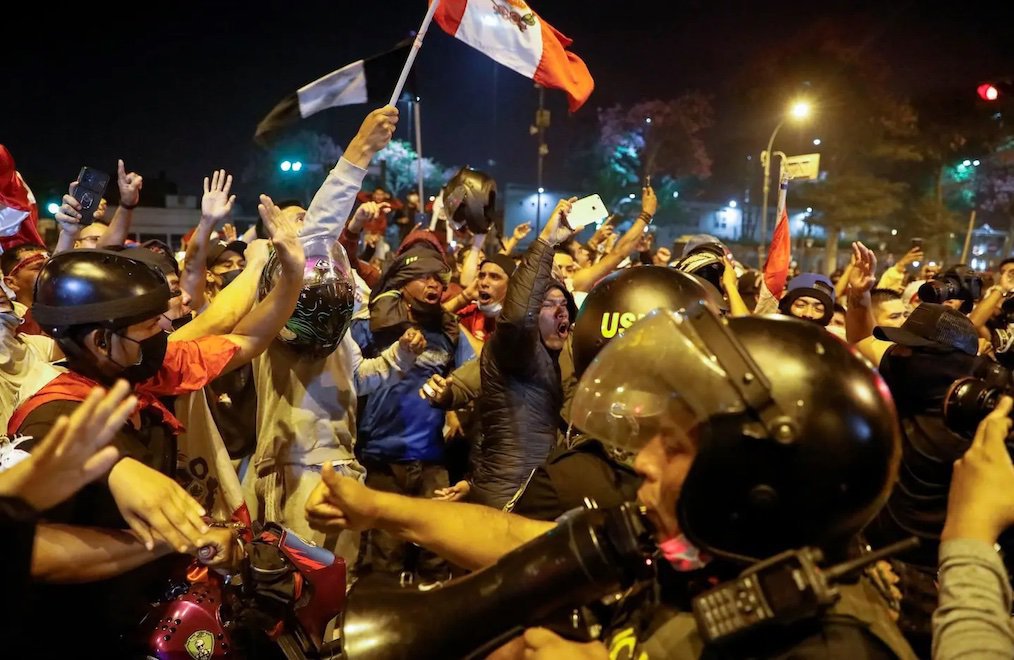
Peru's Election Descends Into Chaos as Voting Stretches Into Second Day Peruvians faced a second day of voting on Monday after severe logistical failures derailed the national election, plunging the process into confusion and raising fears of further instability in the politically turbulent nation [127954][128195][127769]. The election, to choose a new president and members of Congress, was scheduled for a single day, Sunday. However, widespread reports emerged of missing ballots, unprepared staff, and polling stations that simply never opened, leaving many citizens unable to find their designated place to vote [127954][127224]. The National Election Authority was forced to extend voting into Monday to allow all registered voters a chance to cast their ballots [128195][127769]. The exact cause of the delivery fiasco is under investigation, but the result was long delays and frustration across the country [128195]. The extension creates significant uncertainty around the timing of results in a nation still reeling from the 2021 ouster and imprisonment of leftist President Pedro Castillo [128122]. Early results from the first day of voting show a strong lead for right-wing candidates, marking a sharp shift from the previous election [128122]. With a fragmented field of over 30 presidential candidates, no single contender is expected to win the required majority, making a runoff vote highly likely [127616]. The two emerging front-runners appear to be Keiko Fujimori, the daughter of imprisoned former President Alberto Fujimori, and conservative businessman Rafael Lopez Aliaga [127954][127616]. Voters now hope the eventual winner can provide stability after years of relentless political crises [128122]. The final results are expected later than originally planned as officials scramble to complete the chaotic voting process [128195]. Peru Extends Chaotic Election After Polling Stations Vanish Peru Election: Right-Wing Leads as Leftist President Sits in Jail Peru's Election Stalls: Voting Stretches Into Second Day Peruvians are still voting for a new president and congress after a major disruption. Peru Extends Voting Amid Irregularity Claims Fujimori Eyes Comeback: Peru Braces for Presidential Runoff

U.S. Reroutes Carrier, Gulf Braces for Blockade as Iran Tensions Spike
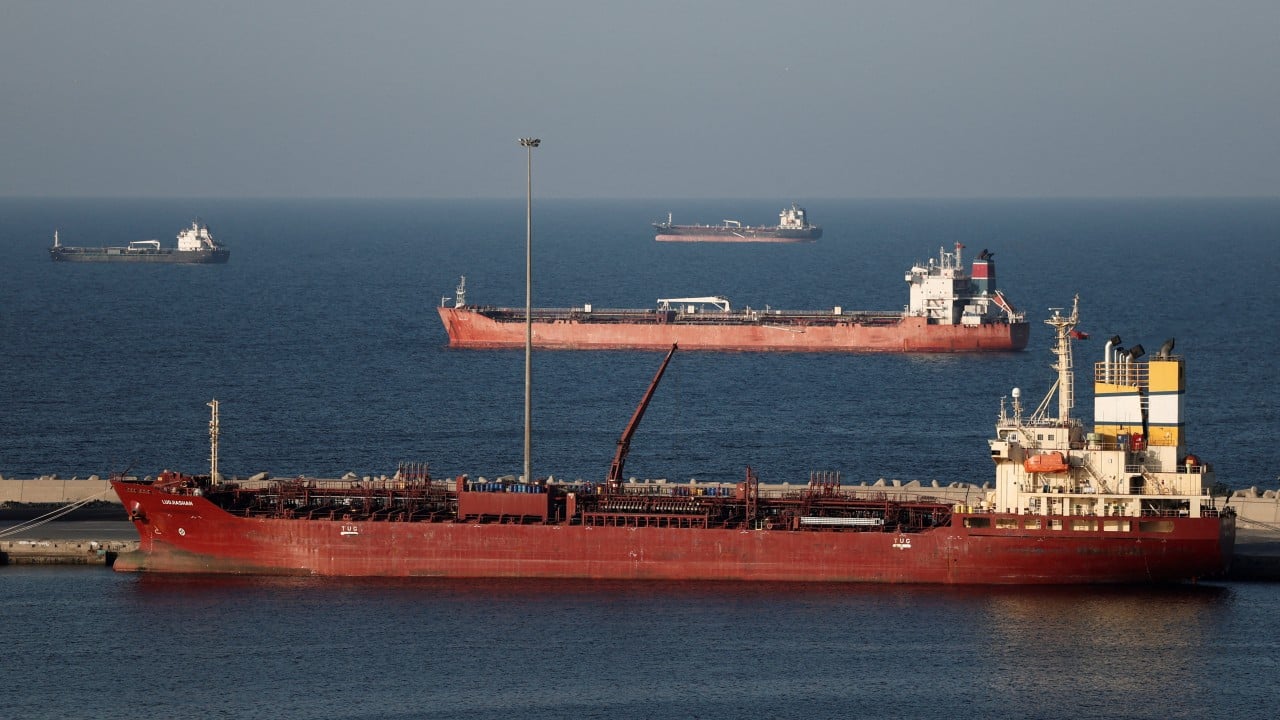
U.S. Reroutes Carrier, Gulf Braces for Blockade as Iran Tensions Spike A major U.S. aircraft carrier strike group has taken a highly unusual and lengthy detour around Africa, a move that coincides with heightened military posturing and fears of a blockade around the world's most critical oil chokepoint, the Strait of Hormuz [128185]. The USS George H.W. Bush and its accompanying warships were rerouted away from the standard path through the Red Sea and Suez Canal. Instead, the group sailed around the Cape of Good Hope at the southern tip of Africa, adding significant time and distance to its journey toward the Middle East [128185]. Military analysts note this rare operational choice suggests the U.S. is keeping its most valuable warships outside potential threat ranges during a period of escalating tensions [128185]. The strategic shift follows statements from former U.S. President Donald Trump, who announced a plan for the U.S. Navy to break an Iranian blockade of the Strait of Hormuz, claiming divine backing for the move [128054]. Over 20% of the world's seaborne oil exports pass through the narrow waterway [128054]. A senior political adviser to the Australian Prime Minister warned that any American move to blockade the strait would be a "bad thing" that risks significantly worsening the regional crisis [127165]. The heightened military activity is unfolding against a backdrop of severe regional instability. A top global energy official warns that more than 80 energy facilities across the Middle East have been damaged in recent conflicts, with over one-third severely impacted [127749]. Fatih Birol, head of the International Energy Agency (International Energy Agency), stated that restoring regional energy supplies to pre-crisis levels could take up to two years, threatening prolonged disruption to global markets [127749]. The conflict has already disrupted global trade. Major shipping companies have suspended travel through the Red Sea following military actions between Iran and Israel, forcing vessels onto a much longer route around Africa [127257]. This has directly impacted specialized exports, with Japanese shipments of perishable luxury goods like wagyu beef and premium tuna facing delays of roughly two weeks [127257]. Regional diplomacy is attempting to keep pace with the military maneuvers. High-level talks between the United States and Iran began in Islamabad over the weekend, hosted by Pakistan, a country that shares a border with Iran [125866]. Concurrently, Pakistan has deployed warplanes to a Saudi airbase on the Gulf coast, a move analysts say complicates Iran's strategic calculations by presenting a potential new adversary if conflict with Saudi Arabia resumes [128037]. U.S. Aircraft Carrier Avoids Mideast, Sails Around Africa Amid Iran Tensions Trump Claims Divine Backing for Military Action Against Iran Australian PM's Adviser Warns: US Strait of Hormuz Blockade Could Inflame Middle East Crisis War Damage to 80+ Mideast Energy Sites Could Disrupt Supply for Years Iran-Israel Conflict Disrupts Japan's Luxury Exports to Middle East US and Iran Meet for Talks as Middle East War Expands Pakistan's Jets in Saudi Arabia Send a Warning to Iran

U.S. Aircraft Carrier Avoids Mideast, Sails Around Africa Amid Iran Tensions
Israel Plans "Gaza Playbook" for Southern Lebanon, Displacing 1.2 Million

War Damage to 80+ Mideast Energy Sites Could Disrupt Supply for Years
Global Economy Braces for Long-Term Hit as Iran Conflict Shatters 2026 Outlook
**Global Economy Braces for Long-Term Hit as Iran Conflict Shatters 2026 Outlook** The global economy, already strained by persistent inflation and volatile markets, now faces a severe and prolonged threat from the escalating conflict involving Iran, with economists warning of years of disruption to energy supplies, trade routes, and financial stability [128258]. A major regional war risks triggering a sharp spike in global oil prices, which would fuel inflation worldwide and force central banks into difficult policy decisions [128258]. Unlike the economic impact of the Russia-Ukraine war, which was more contained, analysts warn the fallout from a wider Middle East conflict could create lasting "economic shocks" that reshape trade and investment patterns for a decade or more [124481]. Governments are already taking emergency action. Germany's coalition government announced a package to shield its economy, including a 17-cent-per-liter cut in fuel taxes and a plan for employers to offer workers a one-time bonus of up to 1,000 euros to counter war-driven inflation [128123]. The crisis shatters what had been a cautiously positive outlook for 2026, presenting the ultimate test for global economic resilience [128258]. The situation exacerbates an already confusing global picture, where high inflation coexists with strong consumer spending and tight job markets show early signs of cooling [126159]. This contradictory data leaves central banks worldwide in a dilemma, forced to choose between aggressively fighting inflation and risking a deep recession [126159]. The persistent danger is that inflation fears become self-fulfilling. Economists warn of an "inflation mentality," where consumers and businesses, expecting continuous price rises, change their behavior in ways that lock in higher costs, potentially forcing more aggressive interest rate hikes that could trigger a recession [128108]. The emerging consensus is that the global economy is settling into a new, complex state defined by volatility and conflicting signals, where agility for businesses and governments is more critical than prediction [126159]. The conflict in Iran now threatens to define this uncertain era, with its economic consequences likely to linger long after any ceasefire is signed [124481]. Iran War Could Break Global Economy Beyond the Battlefield: A War's Economic Shock Could Last for Years Germany Cuts Fuel Tax, Offers Worker Bonus to Counter War-Driven Inflation April's Contradictions: A New Economic Reality Emerges "Inflation Mentality" Could Trigger Recession, Economist Warns

Ukraine Trades Battlefield Drone-Knowledge for Weapons and Fuel in Gulf Deals
Ukraine Trades Battlefield Drone-Knowledge for Weapons and Fuel in Gulf Deals Ukraine is leveraging its hard-won military expertise to secure vital weapons, fuel, and diplomatic support through direct exchanges with Gulf states, turning its battlefield experience into a critical strategic resource. Ukrainian specialists are now deployed to several Middle Eastern nations, providing advanced training on how to identify and shoot down Iranian-designed attack drones [112369]. This knowledge is in high demand, as the same Iranian-made "Shahed" drones used by Russian forces against Ukraine are also a threat to infrastructure and security in the Gulf region [100935]. In return for this expertise, Kyiv seeks concrete military and economic support. The proposed exchanges include requests for advanced air defense systems, such as Patriot missile batteries, and shipments of diesel fuel and other weapons [112369][125620]. President Volodymyr Zelenskyy confirmed that Ukrainian teams are already active in "a half-dozen" countries as part of these arrangements [112369]. The strategy represents a pragmatic shift for Ukraine, positioning it as a provider of essential defense technology rather than solely a recipient of aid [91239]. By sharing its effective, low-cost counter-drone tactics—honed from defending against thousands of aerial attacks—Ukraine aims to bolster its own defenses while building new international alliances [125620]. High-level security talks are now underway with nations including Oman, Kuwait, and Bahrain to formalize these exchanges [125620]. In some proposals, Ukraine has directly linked its security assistance to a request for Gulf partners to use their economic leverage over Russia to push for peace [91239]. Kyraine Sells Drone-Knowledge for Weapons **Ukraine Trades Air Defense Secrets for Gulf's Drone-Killers** Ukraine Sells Drone-Know-How to Gulf States for Fuel and Weapons **Ukraine Offers Gulf States a Deal: Our Drone Hunters for Your Leverage on Russia**

Latest Articles

Myanmar's Rival Councils: A Stark Choice for the World
Two rival groups have formed in Myanmar, each claiming to lead the country. Their stark difference presents a clear challenge for the United States a...

Cheap Drones Expose a US Defense Crisis
A short war in early 2026 has challenged core beliefs about modern military power. For 40 days, the United States and Israel fought Iran. The conflic...

EU's 90 Billion Euro Loan to Ukraine Clears Path After Hungary's Shift
A major European Union loan for Ukraine, worth 90 billion euros, is now likely to proceed. This follows the expected removal of Hungary's procedural...

Crusade Rhetoric Returns in US-Iran War Debate
A dangerous religious narrative is entering the debate over potential war with Iran. Some US politicians are using language that recalls the medieval...
Indonesia Bolsters US Defense Ties as Prabowo Visits Russia
Indonesia and the United States have agreed to strengthen their military cooperation. The announcement came during a high-level meeting in Washington...
The "Unmanned" Nuclear Threat: Why US-China Talks Can't Wait
The world's most dangerous weapons are entering a new, automated era. Experts warn that current US-China dialogue is insufficient to address the risi...

Hong Kong Trams Get a Tech Upgrade, But Fares Stay Frozen
Hong Kong's iconic double-decker trams are entering the digital age. The city's tram operator has launched a new mobile app that provides real-time a...

US AI Boom Secretly Enriches China, New Report Finds
New research reveals China is profiting from the massive American artificial intelligence (AI) expansion, even as the U.S. government tries to limit...
Singapore Snubs Iran, Angers Malaysia: 7 Must-Read Asia Stories
This week's top stories from across Asia highlight regional tensions, economic gaps, and pressing social issues. Singapore has caused a diplomatic s...

Crypto Betting Boom Sparks Legal Warnings After Hong Kong Scraps Basketball Wagers
Prediction markets that use cryptocurrency are seeing rapid growth, experts say. These online platforms allow users to bet on everything from sports...

Malaysian Bus Driver Hunted After Viral Lap-Steering Video
Malaysian police are searching for an express bus driver seen driving with a woman on his lap in a viral video. The Melaka police identified the man...

Iran War Disrupts Oil, Malaysia Pushes Green Energy
Malaysia is accelerating its shift to renewable power. The move aims to protect the country from a global energy crisis worsened by the Iran conflict...

Hong Kong Insurance Complaints Surge by a Third
Hong Kong saw a sharp rise in insurance disputes last year. The city's official complaints body recorded 857 new cases, a jump of 33% from 2024. The...
China Seeks Central Asian Gas as Hormuz Blockade Threatens Supplies
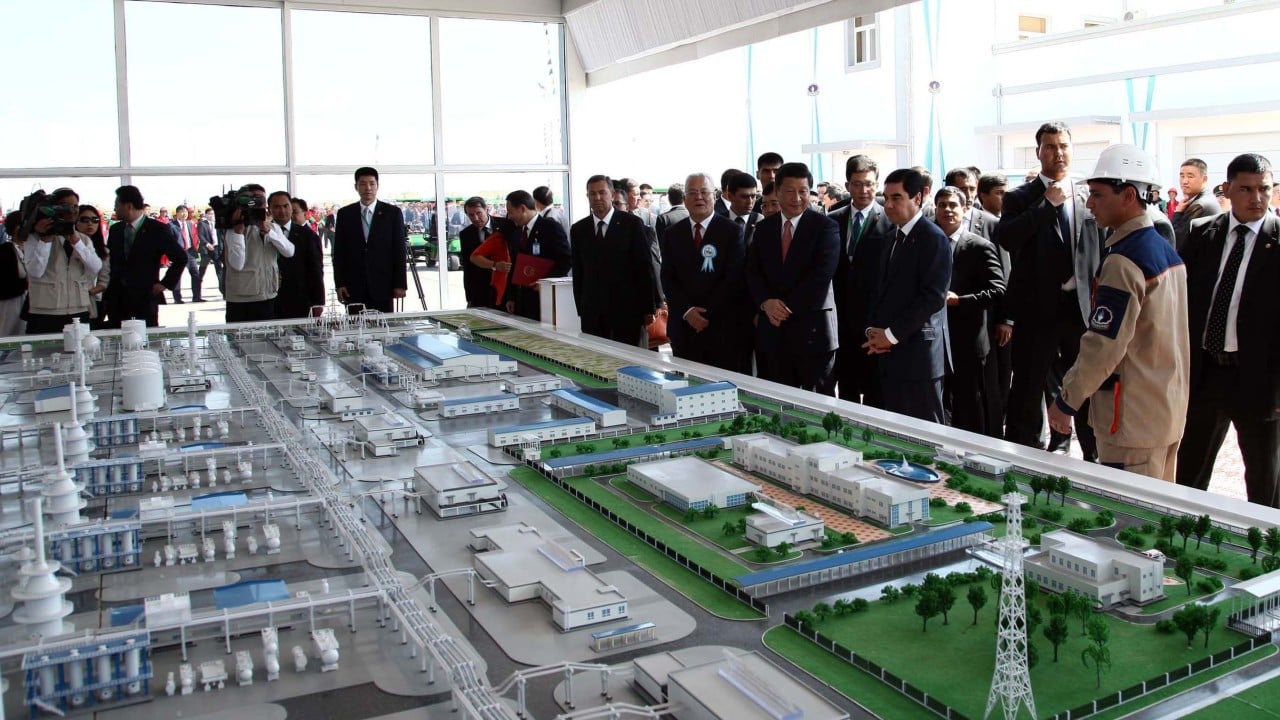
China's Vice-Premier, Ding Xuexiang, travels to Turkmenistan this week to secure more natural gas. This move comes as a blockade in the Strait of Hor...

Hong Kong Told: Change or Become Irrelevant
A historic global shift is forcing Hong Kong to redefine its role, experts say. The city can no longer rely on being just a middleman between China a...
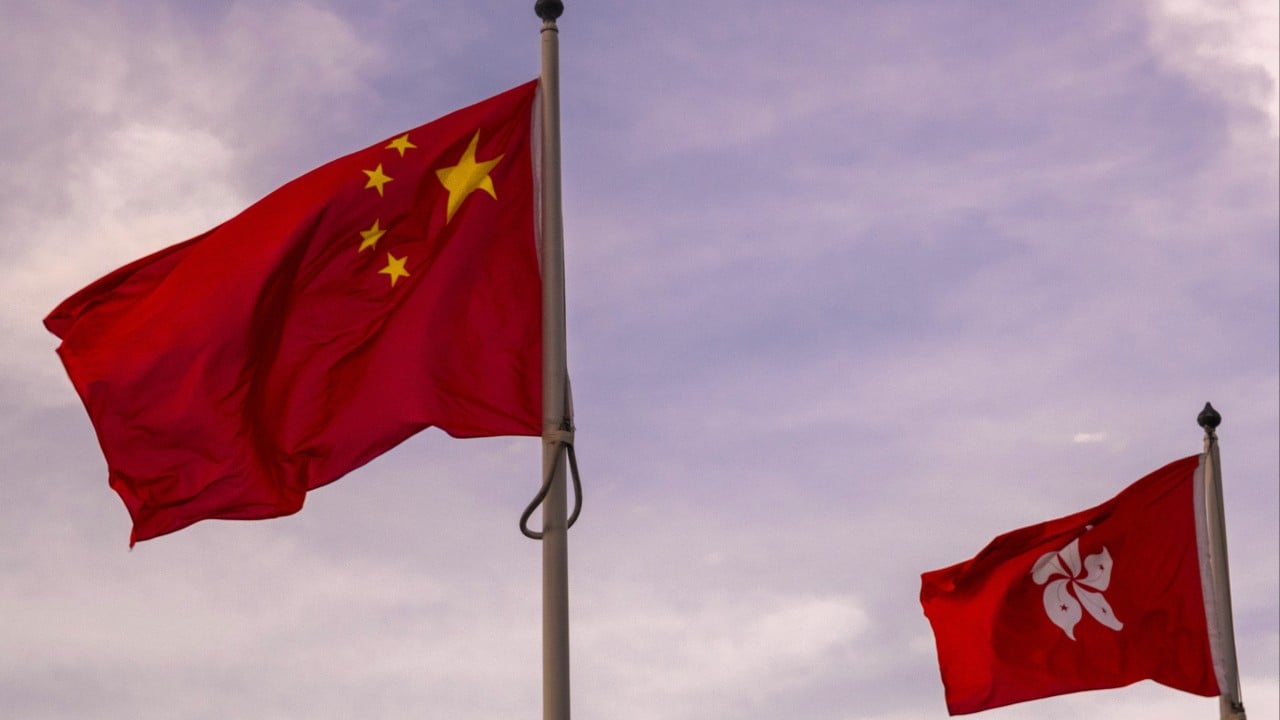
Hong Kong Students Examined on National Policy and Internet Culture
Hong Kong students faced questions on China's "One Country, Two Systems" principle and modern digital life in a key university entrance exam on Tuesd...
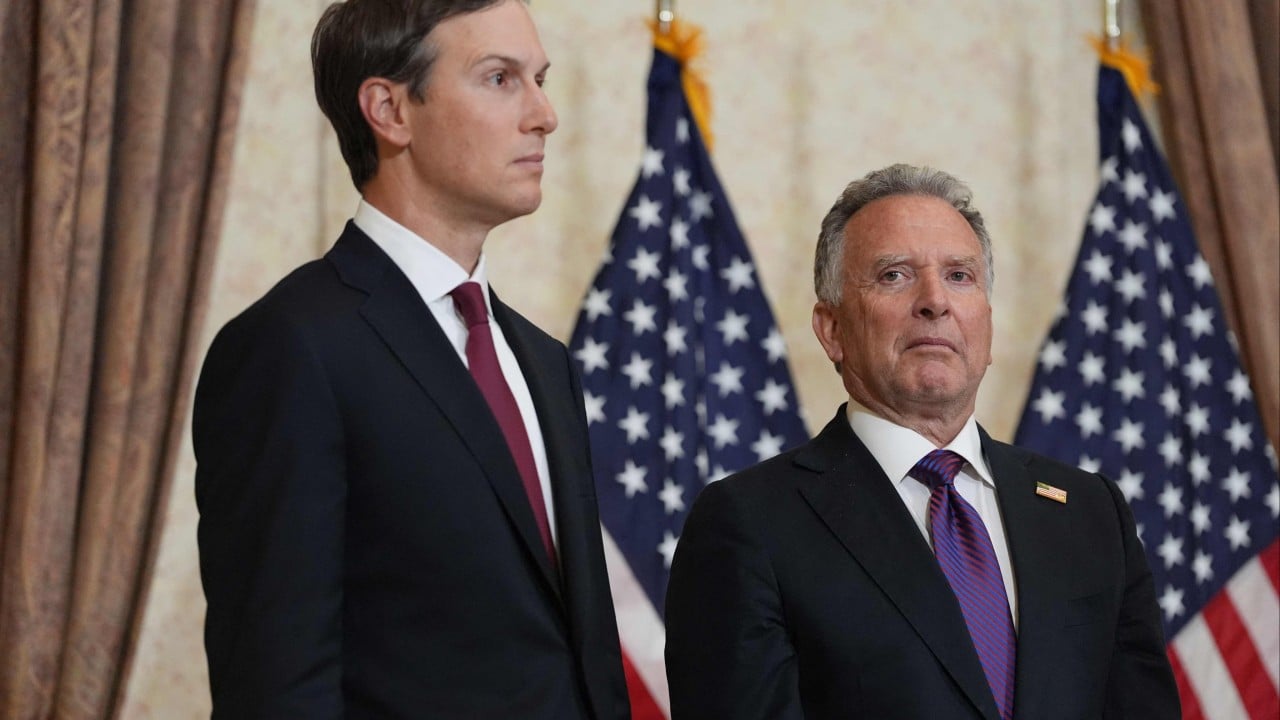
Israeli Envoy Protests TV Remark on Kushner's Faith
Israel's ambassador to Japan and a major Jewish human rights group have condemned a Japanese political commentator. The criticism follows remarks mad...

Nepal's Trekking Industry Pivots to Asia as Middle East Conflict Scares Off Western Tourists
Nepal's tourism sector is urgently seeking new visitors. It is compensating for a steep decline in Western travelers during the critical spring trekk...
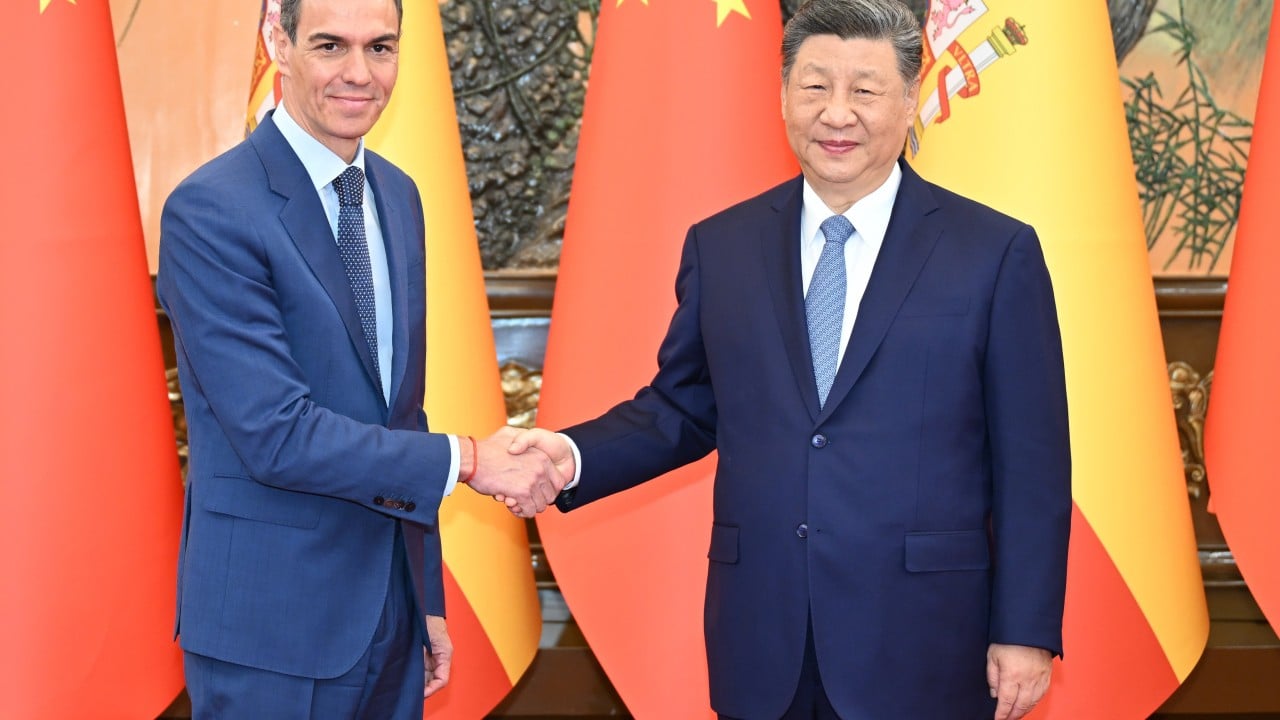
Xi Warns Against "Law of the Jungle" in Meeting with Spanish Leader
Chinese President Xi Jinping called on Spain to join China in resisting "the law of the jungle" in global affairs. He made the statement during a mee...

Iran War Could Push 8 Million into Poverty, UN Warns
A prolonged conflict involving Iran could plunge over 8 million people in Asia and the Pacific into poverty. This is according to a new United Nation...