U.S. Reroutes Carrier, Gulf Braces for Blockade as Iran Tensions Spike
U.S. Reroutes Carrier, Gulf Braces for Blockade as Iran Tensions Spike A major U.S. aircraft carrier strike group has taken a highly unusual and lengthy detour around Africa, a move that coincides with heightened military posturing and fears of a blockade around the world's most critical oil chokepoint, the Strait of Hormuz [128185]. The USS George H.W. Bush and its accompanying warships were rerouted away from the standard path through the Red Sea and Suez Canal. Instead, the group sailed around the Cape of Good Hope at the southern tip of Africa, adding significant time and distance to its journey toward the Middle East [128185]. Military analysts note this rare operational choice suggests the U.S. is keeping its most valuable warships outside potential threat ranges during a period of escalating tensions [128185]. The strategic shift follows statements from former U.S. President Donald Trump, who announced a plan for the U.S. Navy to break an Iranian blockade of the Strait of Hormuz, claiming divine backing for the move [128054]. Over 20% of the world's seaborne oil exports pass through the narrow waterway [128054]. A senior political adviser to the Australian Prime Minister warned that any American move to blockade the strait would be a "bad thing" that risks significantly worsening the regional crisis [127165]. The heightened military activity is unfolding against a backdrop of severe regional instability. A top global energy official warns that more than 80 energy facilities across the Middle East have been damaged in recent conflicts, with over one-third severely impacted [127749]. Fatih Birol, head of the International Energy Agency (International Energy Agency), stated that restoring regional energy supplies to pre-crisis levels could take up to two years, threatening prolonged disruption to global markets [127749]. The conflict has already disrupted global trade. Major shipping companies have suspended travel through the Red Sea following military actions between Iran and Israel, forcing vessels onto a much longer route around Africa [127257]. This has directly impacted specialized exports, with Japanese shipments of perishable luxury goods like wagyu beef and premium tuna facing delays of roughly two weeks [127257]. Regional diplomacy is attempting to keep pace with the military maneuvers. High-level talks between the United States and Iran began in Islamabad over the weekend, hosted by Pakistan, a country that shares a border with Iran [125866]. Concurrently, Pakistan has deployed warplanes to a Saudi airbase on the Gulf coast, a move analysts say complicates Iran's strategic calculations by presenting a potential new adversary if conflict with Saudi Arabia resumes [128037]. U.S. Aircraft Carrier Avoids Mideast, Sails Around Africa Amid Iran Tensions Trump Claims Divine Backing for Military Action Against Iran Australian PM's Adviser Warns: US Strait of Hormuz Blockade Could Inflame Middle East Crisis War Damage to 80+ Mideast Energy Sites Could Disrupt Supply for Years Iran-Israel Conflict Disrupts Japan's Luxury Exports to Middle East US and Iran Meet for Talks as Middle East War Expands Pakistan's Jets in Saudi Arabia Send a Warning to Iran
Articles in this Cluster

U.S. Aircraft Carrier Avoids Mideast, Sails Around Africa Amid Iran Tensions
Israel Plans "Gaza Playbook" for Southern Lebanon, Displacing 1.2 Million

War Damage to 80+ Mideast Energy Sites Could Disrupt Supply for Years

Trump Claims Divine Backing for Military Action Against Iran
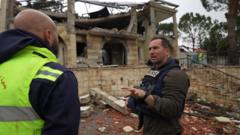
BBC Cameras Reveal Abandoned City After Israeli Strikes
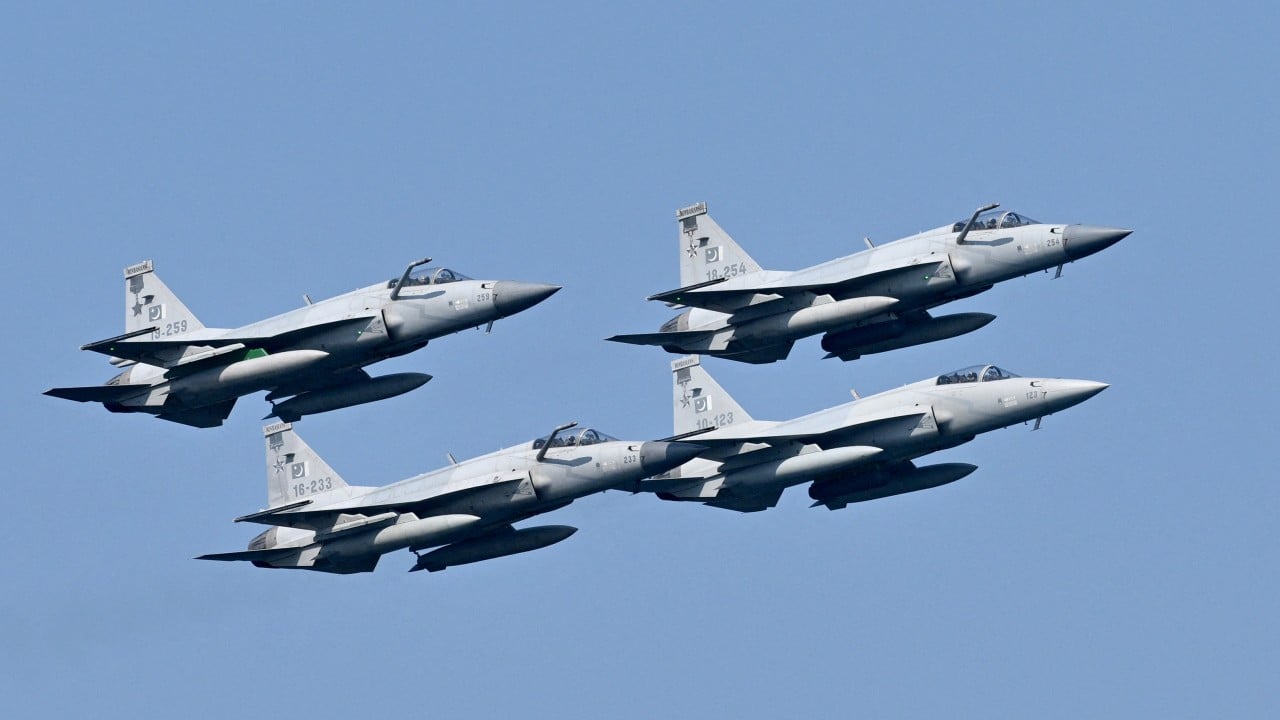
Pakistan's Jets in Saudi Arabia Send a Warning to Iran
Iran-Israel Conflict Disrupts Japan's Luxury Exports to Middle East
Australian PM's Adviser Warns: US Strait of Hormuz Blockade Could Inflame Middle East Crisis
Eid Prayers Echo as War Thunder Rolls in Middle East

Middle East Conflict Diverts Medical Tourists to Malaysia
Oil Slick From Bombed Iranian Ship Heads for Protected Wetland
Middle East Conflict Widens: Strikes Hit Lebanon, Gulf States

Gulf Region Braces for "Complete Reset" After Iran Attacks