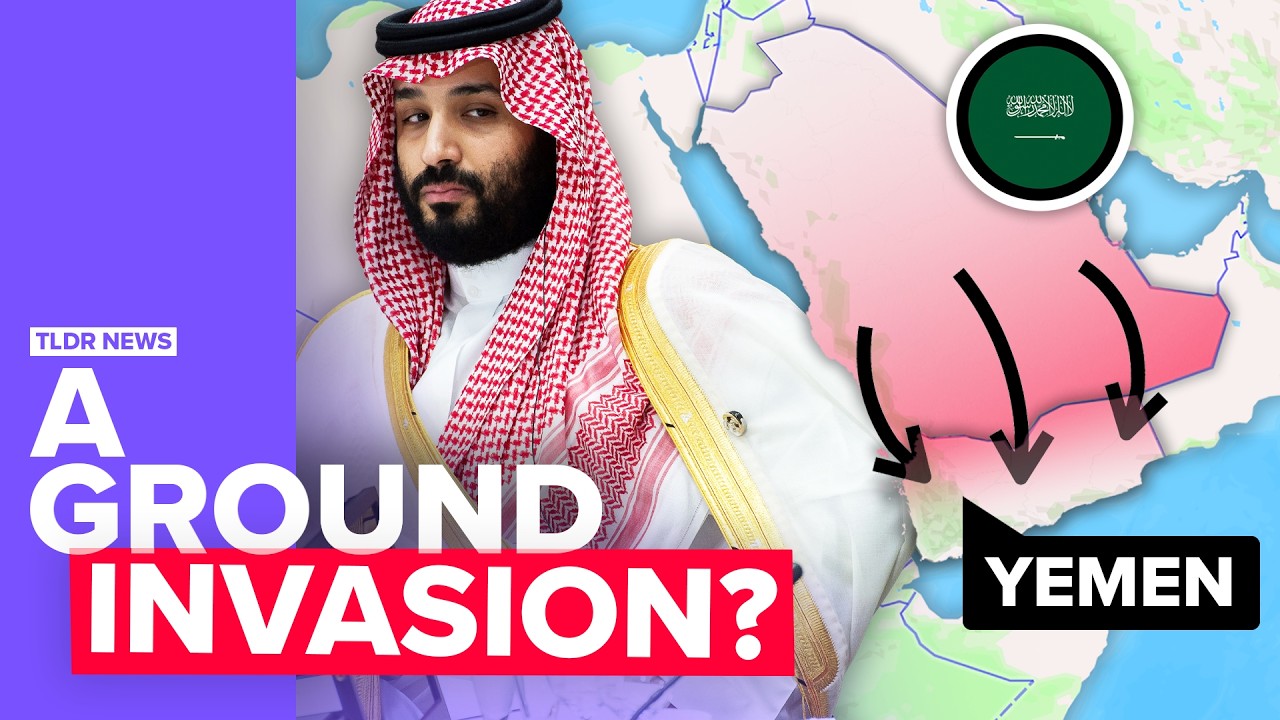
# The Houthis Batter the Saudis: What Next?
The Iran-backed Houthi movement has escalated its attacks on Saudi Arabia and the UAE, exposing the limits of Riyadh's air campaign and threatening to reshape the balance of power in the Middle East. --- ## A New Phase in the Yemen War The Houthis, a Zaidi Shia movement that seized Yemen's capi
The Iran-backed Houthi movement has escalated its attacks on Saudi Arabia and the UAE, exposing the limits of Riyadh's air campaign and threatening to reshape the balance of power in the Middle East.
A New Phase in the Yemen War
The Houthis, a Zaidi Shia movement that seized Yemen's capital, Sanaa, in 2014, have shifted from a local insurgency to a regional threat. Their recent missile and drone strikes have targeted Saudi oil facilities, airports, and infrastructure deep inside the kingdom, as well as the United Arab Emirates. These attacks mark a significant escalation in a conflict that has largely been defined by Saudi-led airstrikes against Houthi positions since 2015.
The Houthis are not a conventional army. They operate as an irregular force, using ballistic missiles, drones, and guerrilla tactics. Their arsenal, largely supplied or assembled with Iranian technology, has proven more sophisticated than Western analysts initially expected. The movement's leadership frames its campaign as a response to Saudi aggression and a defense of Yemeni sovereignty.
Saudi Arabia's Dilemma
For Saudi Arabia, the Houthi threat presents a strategic problem. The kingdom has spent billions on advanced Western military equipment, yet its air defenses have struggled to intercept relatively cheap Houthi drones and missiles. The asymmetry is stark: a $1,000 drone can disrupt a facility worth millions and shake global oil markets.
The Saudi-led coalition's air campaign, now in its eighth year, has failed to dislodge the Houthis from Sanaa or break their military capacity. Instead, the war has devastated Yemen's civilian infrastructure, killed thousands of civilians, and created one of the world's worst humanitarian crises. The Houthis have used this destruction as a recruitment tool, portraying themselves as defenders against foreign intervention.
The UAE's Calculated Retreat
The United Arab Emirates, a key coalition partner, has largely withdrawn its ground forces from Yemen. Abu Dhabi has shifted its focus to securing its own borders and supporting local proxies rather than fighting the Houthis directly. However, Houthi attacks on UAE soil have drawn the Emirates back into the conflict, raising questions about whether it can remain on the sidelines.
Iran's Shadow War
The Houthi escalation fits into Iran's broader strategy of using proxies to pressure its regional rivals. By arming and training the Houthis, Tehran can threaten Saudi Arabia and the UAE without direct confrontation. This approach allows Iran to bleed its adversaries economically and militarily while maintaining plausible deniability.
The Houthis, however, are not merely Iranian puppets. They have their own political objectives, rooted in Yemen's complex tribal and sectarian dynamics. Their alliance with Iran is one of convenience, not total dependence.
What Comes Next?
Several scenarios are possible:
Prolonged Stalemate: The Houthis continue to launch attacks, Saudi Arabia retaliates, and the war grinds on with no clear victor. Yemen remains divided, and the humanitarian crisis deepens.
Negotiated Settlement: International pressure, particularly from the United States and the United Nations, could push both sides toward a ceasefire and power-sharing agreement. However, trust is minimal, and previous talks have failed.
Regional Escalation: If Houthi attacks cause significant casualties or damage in Saudi Arabia or the UAE, the conflict could widen. Other regional powers, including Israel, might become drawn in.
Iranian Calculations: Tehran could use the Houthis as a bargaining chip in negotiations over its nuclear program. A deal might reduce Houthi aggression, or it might not.
The Broader Implications
The Houthi campaign exposes a fundamental truth: military superiority does not guarantee victory against determined non-state actors. Saudi Arabia and its allies have learned that expensive weapons systems are of limited use against asymmetric threats. The war has also damaged the kingdom's international reputation, with human rights groups documenting widespread civilian casualties.
For the United States, the conflict is a strategic headache. Washington has long supported Saudi Arabia but has grown weary of the war's costs and the humanitarian toll. The Biden administration has reduced support for offensive operations and pushed for a ceasefire, but with limited success.
Conclusion
The Houthis have battered the Saudis and demonstrated that they are a force to be reckoned with. Their attacks have exposed vulnerabilities in Saudi and Emirati defenses and highlighted the limits of military power. What happens next depends on whether regional and international actors can find a path to de-escalation—or whether the conflict spirals further out of control.
One thing is clear: the Yemen war is no longer a peripheral conflict. It has become a central front in the Middle East's broader power struggle, with consequences that will be felt far beyond the Arabian Peninsula.
Related Coverage
Saudi Arabia Joins US Strikes as Iran War Risks Engulf the Middle East
Saudi Arabia has openly joined US military strikes against Iran-backed militias, signaling a dangerous escalation in a regional conflict that is spreading across multiple fronts and threatening global oil supplies.
Oil Shock and Global Realignment: How Middle East Conflict, Ukraine War, and Shifting Alliances Are Reshaping the World
A wave of attacks on Saudi oil infrastructure and Houthi seizures of key shipping lanes has sent crude prices above $100 a barrel, while Ukraine's war with Russia escalates and BRICS leaders gather in New Delhi to test whether a divided bloc can challenge Western power.
Houthis Seize Red Sea Coast, Hit Riyadh With Missile as US Refuses to Defend Saudi Arabia
Houthi rebels have captured large areas of Yemen's Red Sea coast and struck Saudi Arabia's capital with a missile, killing hundreds and displacing more than 100,000 people. The United States has refused Saudi requests for military help, leaving its longtime ally exposed.
Saudi Pipeline Shutdown and Houthi Island Seizure Threaten Two Oil Chokepoints as Iran Tensions Escalate
Saudi Arabia halts a major pipeline after attacks while Iran-backed Houthis seize a key island near the Bab el-Mandeb Strait, raising fears that two vital oil routes could be disrupted at once.
Saudi Warplanes Hit Yemen Again as 100 Jets Target Houthis—And Oil Jumps Past $100
Saudi Arabia has resumed major airstrikes on Yemen's Houthi rebels after a four-year pause, with more than 100 warplanes hitting rebel positions. The escalation is raising fears of a direct Saudi-Iran conflict and pushing oil prices above $100 a barrel.
Iran Threatens War "as Far as the Indian Ocean" as UK Warns Tehran and France Sends Troops to Saudi Arabia
Iran warns of a wider war, Britain draws a red line on threats at home, and France deploys forces to defend a Saudi oil port as attacks by the Iran-backed Houthis increase.
Related Editorials
The Hidden Crisis That Could Decide the Next Iran War
For years, the public debate on Iran has focused on centrifuges, enriched uranium, and the timeline to a nuclear weapon. Yet, a deeper, more immediate crisis is unfolding beneath the surface—one that receives far less attention but could prove decisive in any future conflict.
Will Trump’s Escalation with Iran Trigger a UK Housing Market Crash?
The connection between geopolitical tensions in the Middle East and the value of a semi-detached house in Manchester may seem tenuous. Yet, as President Donald Trump intensifies his administration’s stance toward Iran, a growing number of analysts are asking a pointed question: could a military con
The Saudi-Houthi Truce Shatters: A Return to Yemen’s Endless War
The fragile calm that had settled over Yemen’s front lines has evaporated. After months of relative quiet and tentative diplomatic overtures, the truce between the Saudi-backed coalition and the Houthi movement has collapsed, plunging the region back into active conflict.
The Houthi Blockade of Bab al-Mandab: A Strategic Chokepoint Under Siege
In a dramatic escalation of regional conflict, the Houthi movement has effectively closed the Bab al-Mandab strait, one of the world’s most critical maritime chokepoints. This narrow waterway, connecting the Red Sea to the Gulf of Aden, handles roughly 10% of global seaborne trade.
Why Trump’s Iran Oil Sanctions Will Likely Backfire on the Global Economy
In a move that has sent shockwaves through global energy markets, the Trump administration has reinstated a "maximum pressure" campaign against Iran, targeting the country’s oil exports with renewed vigor. The strategy aims to choke off Tehran’s revenue, particularly by blocking shipments through t
West Bank Erupts: The Unseen Escalation Reshaping the Middle East
The world’s gaze has been fixed on Gaza, but a second, equally volatile front has been quietly igniting. Across the West Bank, violence has surged to levels not seen in nearly two decades, threatening to destabilize the entire region.