# The Nile Dispute: Why Egypt and Ethiopia Are on the Brink of War Over a River
A massive dam on the Blue Nile has pushed two regional powers to the edge of conflict—and the stakes could not be higher. --- ## A River, Two Nations, One Existential Crisis The Nile River has sustained Egypt for millennia.
A massive dam on the Blue Nile has pushed two regional powers to the edge of conflict—and the stakes could not be higher.
A River, Two Nations, One Existential Crisis
The Nile River has sustained Egypt for millennia. It provides roughly 90% of the country's freshwater and supports nearly its entire population of over 100 million people. For Egyptians, the river is not merely a resource—it is a lifeline without substitute.
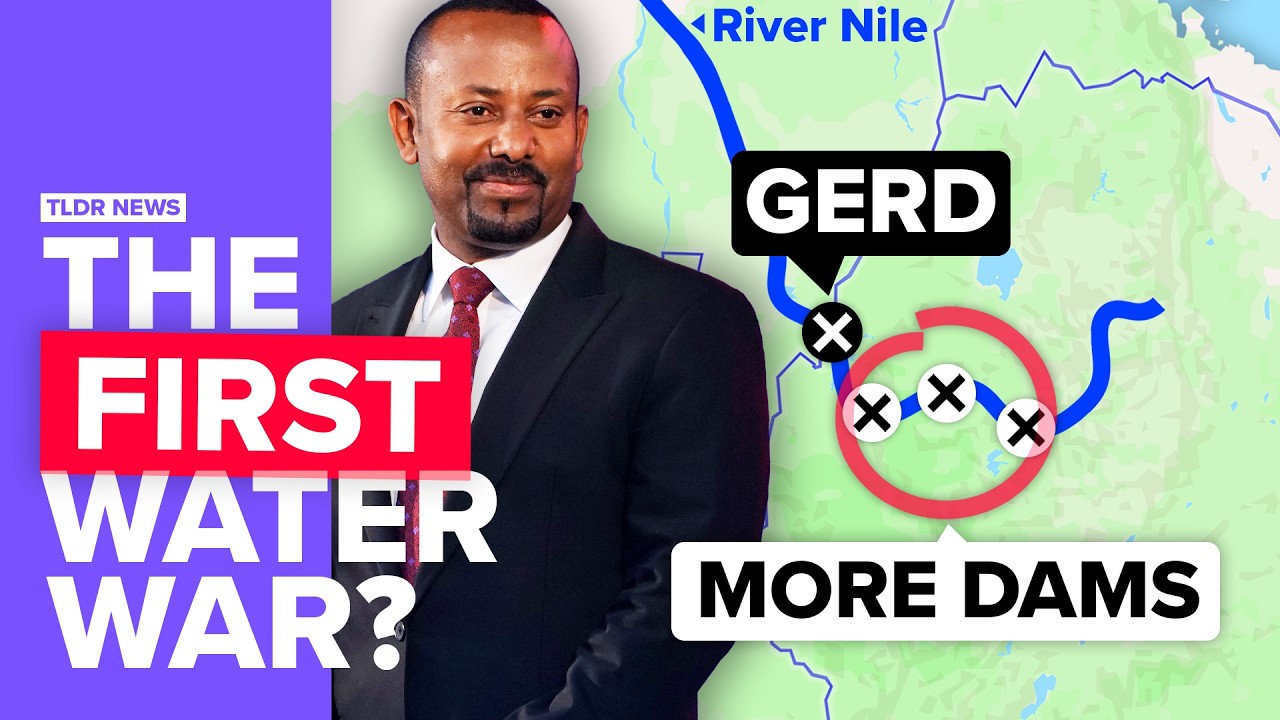
Ethiopia, meanwhile, has long watched the Nile flow northward without harnessing its power. In 2011, Addis Ababa began construction on the Grand Ethiopian Renaissance Dam (GERD), a $4.6 billion project on the Blue Nile. Once fully operational, the GERD is designed to generate over 5,000 megawatts of electricity, making it Africa's largest hydroelectric facility.
The dam represents Ethiopia's ambition to electrify a nation where roughly half the population lacks reliable power. But for Egypt, it represents an existential threat.
The Colonial-Era Agreements at the Center of the Dispute
The legal foundation of Egypt's claim to the Nile rests on treaties signed in 1929 and 1959—both of which allocated the vast majority of the river's flow to Egypt and Sudan. These agreements, brokered during British colonial rule, granted Egypt veto power over upstream construction projects.
Ethiopia was not a party to these treaties and rejects them as colonial relics that unfairly exclude upstream nations. The country argues it has every right to develop its own water resources.
This fundamental disagreement—between historical water rights and sovereign development rights—has fueled more than a decade of failed negotiations.
The Ticking Clock: Filling the Dam
The dispute intensified when Ethiopia began filling the GERD's reservoir in 2020. Egypt demands a legally binding agreement on the pace of filling and the dam's annual operations before the reservoir reaches full capacity. Ethiopia insists it will proceed on its own timeline.
Egypt has proposed that Ethiopia release a minimum annual flow of 40 billion cubic meters of water downstream. Ethiopia has rejected binding commitments, preferring non-binding guidelines instead.
The United States and the World Bank attempted to mediate in 2019 and 2020. Those talks collapsed. The African Union later took over mediation, but has produced no breakthrough.
Military Threats and Regional Instability
Egypt has repeatedly hinted at military action. In 2021, Egyptian President Abdel Fattah el-Sisi warned that "no one will take a single drop of Egypt's water without a fight." Egyptian officials have suggested that sabotage of the dam remains an option.
Ethiopia has responded with defiance. Prime Minister Abiy Ahmed has stated that Ethiopia will not be deterred and that any attack on the dam would be treated as an act of war.
The rhetoric has raised fears of a direct military confrontation between two of Africa's most populous and militarily capable states. Sudan, caught geographically between the two, has its own concerns: the GERD could regulate flooding but also threatens Sudanese dams if operated without coordination.
Why This Matters Beyond the Region
The Nile dispute is not merely a bilateral quarrel. It touches on broader questions of water security, climate change, and post-colonial sovereignty.
Egypt depends on the Nile for agriculture, drinking water, and industry. Any significant reduction in flow would devastate its economy and food supply. Ethiopia views the dam as a symbol of national pride and a cornerstone of its development strategy.
International observers warn that failure to reach a negotiated settlement could destabilize the Horn of Africa and draw in external powers. Both Egypt and Ethiopia have sought diplomatic support from Gulf states, the United States, and Russia.
Is There a Path Forward?
Diplomats continue to call for dialogue. The African Union has proposed a phased approach: Ethiopia would fill the dam slowly while negotiations continue, and Egypt would refrain from military action. So far, neither side has fully committed.
A lasting solution would likely require a comprehensive agreement covering water allocation, drought management, and dispute resolution. Such an agreement has proven elusive for over a decade.
For now, the Nile flows on—but the peace it has long sustained hangs in the balance.
Related Coverage
Egypt Warns Ethiopia: We’ll Use Every Legal Weapon to Defend Our Nile Water
Egypt says it is ready to use all options under international law to protect its share of the Nile River as Ethiopia continues to operate a massive dam that Cairo fears will cut its water supply.
7 States Face Water Crisis as Colorado River Shrinks — Bangladesh Farmers Warn of ‘War Over Water’
A double water emergency is unfolding across two continents, as drought, over-extraction, and climate shocks push communities in the United States and Bangladesh to the brink.
US Ready to Mediate Nile Dam Dispute Again as Ethiopia Opens National Dialogue
The United States has signaled it is prepared to return to mediation in the long-running dispute between Egypt and Ethiopia over the Grand Ethiopian Renaissance Dam (GERD), even as Ethiopia launches a national dialogue aimed at reshaping its political system.
Oil Wars Are Choking the World's Two Most Important Shipping Lanes — 120 Million Barrels at Risk
Two major energy chokepoints are now under threat at the same time, driving up costs and threatening global fuel supplies.
Oil, War, and a Super El Niño: A World Held Hostage by a System Built for Profit
A fragile peace deal that could unlock the world’s most vital oil route is collapsing under the weight of the very conflicts it was meant to end, while a record-breaking climate disaster threatens global food supplies and a system that prioritizes profit over people leaves ordinary citizens bearing the costs.
Related Editorials
The Nile Water Heist: How Ethiopia's Master Plan Caught Egypt Off Guard
For decades, Egypt has viewed the Nile River as its birthright. The ancient nation relies on the waterway for nearly 97 percent of its freshwater needs, and its entire agricultural, industrial, and domestic infrastructure is built around the assumption of uninterrupted flow.
Could Turkey and Israel Go to War? The Rising Risk of a New Middle Eastern Conflict
For decades, the relationship between Turkey and Israel has oscillated between strategic partnership and bitter rivalry. Today, that rivalry has reached its most dangerous point in modern history.