Peter Hitchens: Why I Wouldn’t Mourn the Break-Up of Britain
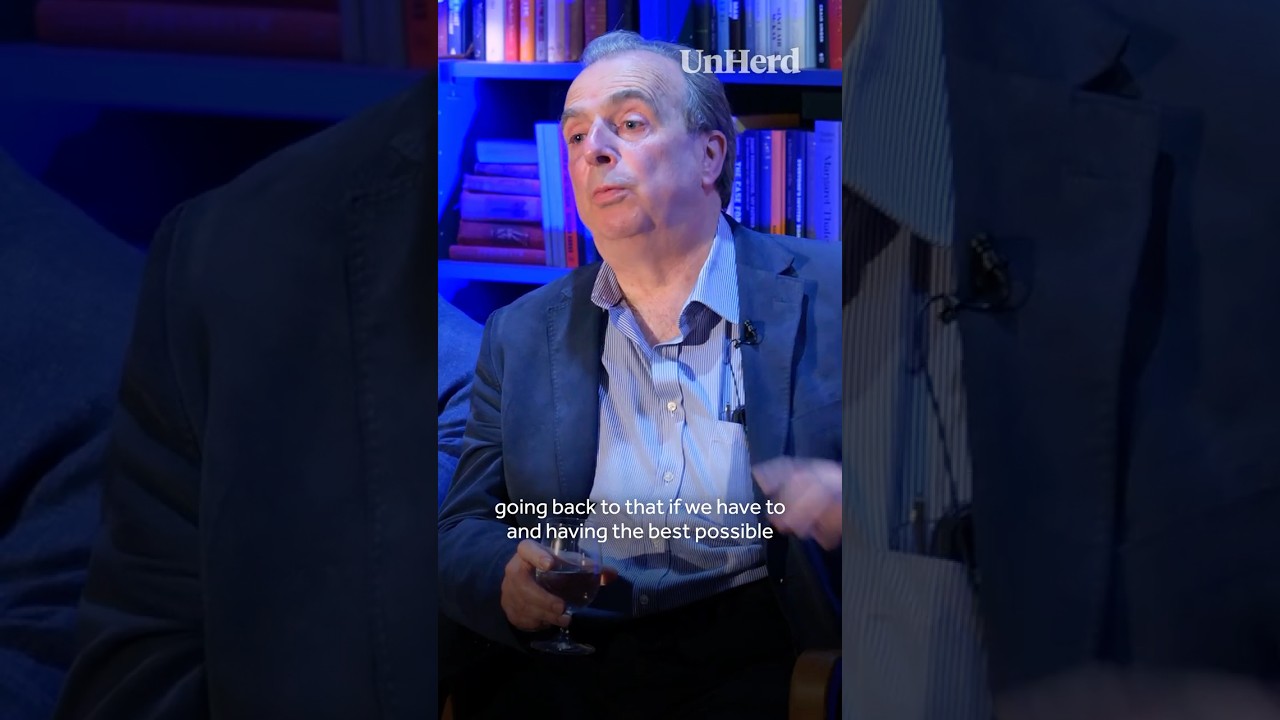
In a striking departure from conventional conservative patriotism, veteran British journalist and author Peter Hitchens has declared that he would not oppose the dissolution of the United Kingdom. Speaking in a recent short video, Hitchens—a man often associated with tradition, the Anglican Church,
In a striking departure from conventional conservative patriotism, veteran British journalist and author Peter Hitchens has declared that he would not oppose the dissolution of the United Kingdom. Speaking in a recent short video, Hitchens—a man often associated with tradition, the Anglican Church, and the integrity of the nation-state—offered a provocative take on the future of the British union. His comments challenge the assumption that national unity is an unqualified good, and they invite a serious reconsideration of what “Britain” actually means today.
The Argument for Disunion
Hitchens argues that the current structure of the United Kingdom has become a vehicle for centralized power that erodes local identity and democratic accountability. Rather than viewing the break-up of Britain as a catastrophe, he frames it as a potential correction—a way to restore political agency to the nations that compose the union: England, Scotland, Wales, and Northern Ireland.
His position is not rooted in separatist fervor but in a sober assessment of governance. He suggests that the British state, as presently constituted, has grown too remote from the people it claims to represent. In his view, the union has been maintained less by shared values and more by administrative convenience and elite self-interest.
A Conservative’s Critique of Centralization
Hitchens’ stance is notable because it comes from the political right. Typically, the defence of the union is a conservative reflex. However, Hitchens flips this script: he implies that true conservatism—concerned with preserving organic communities, local customs, and institutional continuity—might be better served by smaller, more coherent political units.
He does not advocate for a specific new arrangement, nor does he call for immediate secession. Instead, he expresses a quiet willingness to accept a future where the United Kingdom no longer exists as a single entity. His tone is one of resignation rather than enthusiasm, suggesting that the break-up of Britain is not something to be feared but perhaps something that is already inevitable.
What This Means for the National Debate
Hitchens’ comments cut through the emotional rhetoric that often surrounds discussions of Scottish independence or Welsh devolution. By removing the moral panic from the equation, he forces a practical question: if the union no longer serves its constituent parts, why preserve it?
His view does not deny the historical achievements of the United Kingdom—its role in world wars, its legal traditions, or its cultural exports. Rather, he implies that these achievements belong to the past and that clinging to a fading structure may hinder future stability.
Conclusion
Peter Hitchens has offered a rare and uncomfortable perspective: that the end of Britain might be acceptable, even desirable, from a conservative standpoint. Whether one agrees or not, his argument elevates the conversation from simple patriotism to a deeper inquiry into the purpose of the state. In an era of political fragmentation, his words serve as a reminder that the map of a nation is not sacred—it is a tool, and tools can be reshaped.
Related Editorials
Britain’s Dangerous Delusion: Peter Hitchens on a Nation in Denial
In a sharp critique that has sparked debate across the political spectrum, British journalist and author Peter Hitchens argues that the United Kingdom is suffering from a profound and dangerous case of self-deception. Speaking in a recent interview, Hitchens contends that the country’s political an
Peter Hitchens’ Brutal Verdict on Tony Blair: The Legacy of New Labour’s Broken Promises
Article: In a recent sharp commentary, British journalist and author Peter Hitchens delivered a scathing critique of former Prime Minister Tony Blair and the New Labour project. His argument cuts to the heart of a political era that promised modernization but, in Hitchens’ view, delivered a profoun
Why One Political Candidate Calls for a “French Revolution” in Britain
In a provocative statement that has sparked debate, political candidate Stella Tsantekidou has argued that Britain needs a radical overhaul reminiscent of the French Revolution. Speaking in a recent video, Tsantekidou did not call for literal guillotines or regicide, but rather a fundamental restru
Why I Am a Communist: Slavoj Žižek’s Unsettling Case for a Radical Idea
In a world where communism is often dismissed as a failed ideology of the past, philosopher Slavoj Žižek offers a provocative defense. Speaking in a concise video, he argues that communism remains the only coherent response to the systemic crises of capitalism—not as a nostalgic dream, but as a pra
The Populist Warning from a Former Labour Leader: Neil Kinnock on the Crisis of Political Trust
For decades, Neil Kinnock stood at the heart of British politics, leading the Labour Party through some of its most turbulent years. Now, speaking at an UnHerd Live event, the former leader offers a stark diagnosis of the current political landscape.
Iceland’s Quiet Revolt: The End of Europe’s Political Illusion?
For decades, the European Union has sold itself as a project of perpetual integration—a political and economic engine designed to smooth over national differences and deliver shared prosperity. Yet, according to two of Europe’s most prominent economic thinkers, the recent actions of a small Nordic