The Quiet Intervention: How Washington Stepped In to Save the Yen
In the high-stakes theater of global finance, currencies rarely move by accident. When the Japanese yen began a dizzying slide toward historic lows in 2024, the intervention did not come from Tokyo alone.
In the high-stakes theater of global finance, currencies rarely move by accident. When the Japanese yen began a dizzying slide toward historic lows in 2024, the intervention did not come from Tokyo alone. In a surprising turn of events, the United States played a pivotal role in halting the freefall. This is the story of how a diplomatic backchannel, rather than a public declaration, stabilized the world’s third-largest economy—at least for the moment.
The Crisis: A Currency in Freefall
For months, the yen had been hemorrhaging value against the dollar. The primary culprit was a stark interest rate differential: the U.S. Federal Reserve held rates at multi-decade highs to combat inflation, while the Bank of Japan (BOJ) stubbornly maintained its negative interest rate policy to stimulate domestic growth. This gap made dollar-denominated assets far more attractive, prompting investors to sell yen and buy dollars.
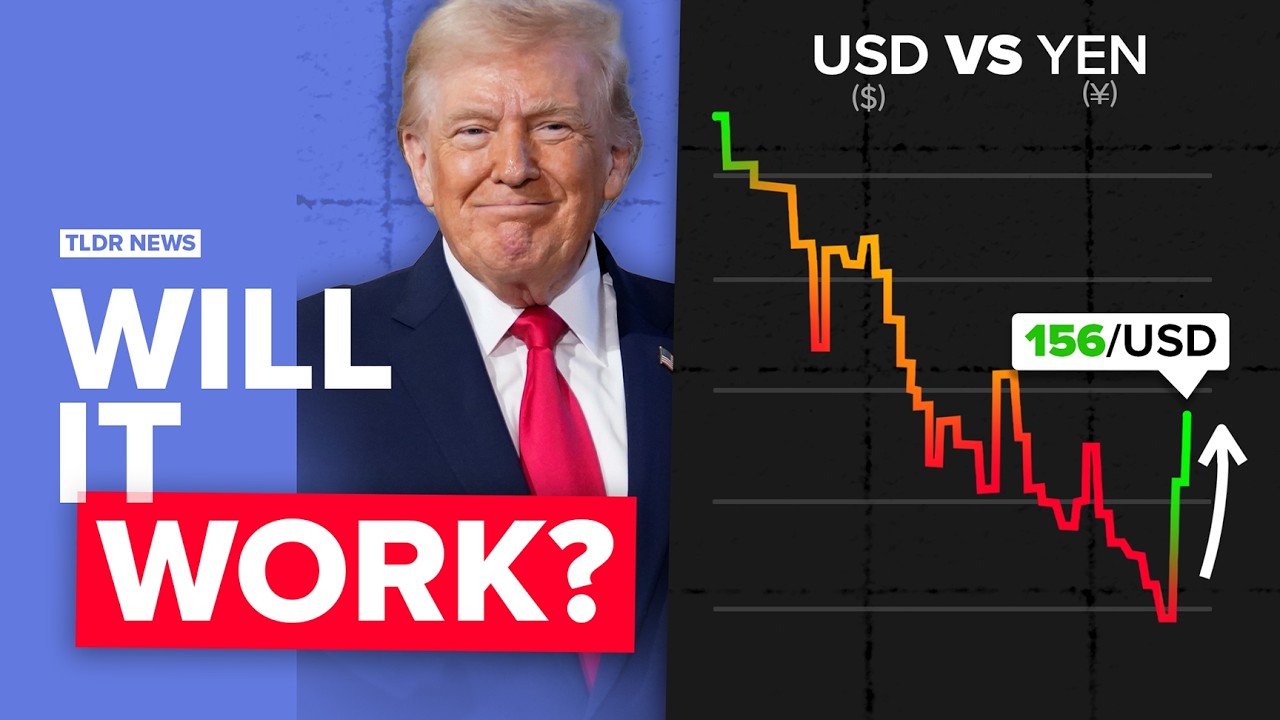
By late spring, the exchange rate had breached the 160 yen-to-dollar mark—a level not seen since 1986. For Japan, a nation that imports nearly all its energy and raw materials, a weak yen was not a boon but a tax on its citizens. The cost of food, fuel, and electronics soared, squeezing household budgets and eroding public support for the government.
The Breaking Point
Tokyo was facing a dilemma. The Ministry of Finance (MOF) had the legal authority to intervene in the currency markets by selling dollar reserves to buy yen. However, unilateral intervention without U.S. consent is a diplomatic minefield. If Washington disapproved, the move could be perceived as currency manipulation, potentially triggering trade sanctions or a broader financial conflict.
According to analysts and leaked financial data, the situation reached a critical juncture in late April. The MOF was ready to act, but the scale of the problem was immense. The market was betting heavily against the yen, and a solo effort by Tokyo would likely have been a temporary fix at best.
The American Pivot
This is where the narrative diverges from the usual script of economic rivalry. Historically, the U.S. Treasury has favored a strong dollar and has been wary of foreign intervention. However, officials in Washington began to realize that an unchecked yen collapse posed a systemic risk to global supply chains and could reignite inflation in the U.S. through cheaper Japanese exports.
The intervention, when it came, was coordinated. While the BOJ executed the largest market intervention on record—estimated at over $60 billion—it was the quiet blessing of the U.S. Treasury that made it effective. By signaling that Washington would not oppose the action—and would even tolerate a slight depreciation of the dollar—the U.S. removed the "fear factor" that usually deters Tokyo from acting.
The Mechanics of the Save
The strategy was twofold. First, the BOJ sold U.S. Treasuries from its foreign reserves to buy yen, instantly reducing the supply of dollars. Second, and more crucially, the U.S. released data showing a cooling labor market and a potential shift toward rate cuts. This weakened the dollar organically, taking the pressure off the yen without requiring a direct counter-move.
The result was instantaneous. The yen snapped back from 160 to the 152 range within 48 hours. Hedge funds that had piled into short-yen positions were caught off guard, incurring billions in losses. The "carry trade"—borrowing yen cheaply to invest in higher-yielding assets—was violently unwound.
The Aftermath: A Temporary Truce
While the intervention was a tactical success, experts warn it is not a strategic solution. The fundamental economic divergence remains. The Fed has signaled only gradual cuts, while the BOJ remains hesitant to raise rates aggressively for fear of crushing its fragile recovery.
The market is now in a state of "managed volatility." Traders know that the 160 level is a "line in the sand" defended by both central banks. However, if U.S. inflation reignites or if the BOJ blinks on its hawkish stance, the pressure will return.
Conclusion
The yen’s rescue was a reminder that in the global economy, no nation acts entirely alone. The intervention was less about Japan "winning" a currency war and more about the U.S. recognizing that a disorderly decline in a major ally’s currency is a shared problem. Washington saved the yen not out of altruism, but out of self-interest.
The question now is not if the yen will be tested again, but when. And when that day comes, the world will be watching to see if the quiet alliance between the Fed and the BOJ can hold—or if the market will finally break it.
Related Coverage
Japan’s Yen Rescue Mission: A New Plaza Accord in the Making?
Japan is moving from verbal warnings to concrete action to stop the yen’s slide, and is now signaling it may seek international support for a coordinated intervention not seen since 1985.
Yen Crash Warning: Your U.S. Stocks Are One Bad CPI Report Away From a Bloodbath
A perfect storm of currency collapse, record bearish bets, and a looming inflation report is putting global markets on edge. The Japanese yen is near a 30-year low, traders are piling on record short positions, and Bank of America warns that today’s U.S. inflation data could trigger a sudden, violent reversal—forcing investors to dump stocks and bonds in a fire sale.
Japan Stuns Netherlands with Last-Gasp Equalizer in World Cup Thriller
Japan snatched a dramatic 2-2 draw against the Netherlands in a high-stakes Group of Death match, with Daichi Kamada’s stoppage-time header denying the Dutch a crucial victory.
Related Editorials
The $600 Billion Shadow: How the US Quietly Backstopped Japan’s Markets
In the high-stakes world of global finance, the term "bailout" usually conjures images of frantic lawmakers and taxpayer-funded rescue packages. But one of the most significant financial interventions of the modern era occurred not through legislation, but through the silent mechanics of central ba
The Yen’s Plunge: Why Tokyo’s Intervention Is Losing the Battle
In the high-stakes arena of global currency markets, the Japanese yen’s recent collapse has triggered alarm bells in Tokyo. Faced with a currency trading at multi-decade lows, Japanese authorities stepped in to support it.
Title: The Quiet Unraveling of Dollar Hegemony
The global financial order is not built on treaties or pacts. It is built on a single currency, the US dollar, which underpins international trade, central bank reserves, and the pricing of commodities from oil to wheat.
Japan’s Debt Time Bomb: Is the World’s Largest Fiscal Experiment Finally Failing?
For decades, Japan has defied economic gravity. While economists warned that its national debt—the highest in the developed world at over 260 percent of GDP—would trigger a catastrophic collapse, the country continued to borrow cheaply, pay its bills, and keep its markets stable.