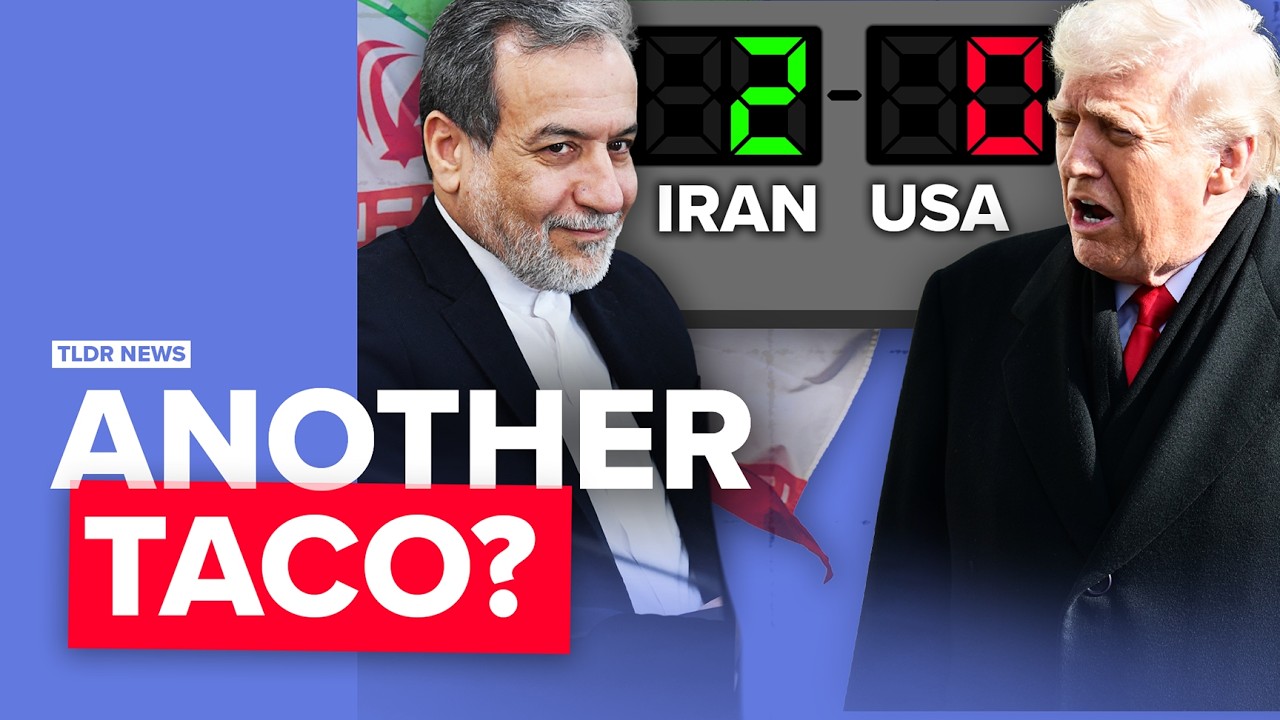
Trump’s Latest Iran Strategy Unravels—Again
For years, the Trump administration’s Iran policy has been defined by a single, aggressive objective: maximum pressure. The strategy aimed to cripple Iran’s economy, halt its nuclear program, and force a comprehensive renegotiation of the 2015 nuclear deal.
For years, the Trump administration’s Iran policy has been defined by a single, aggressive objective: maximum pressure. The strategy aimed to cripple Iran’s economy, halt its nuclear program, and force a comprehensive renegotiation of the 2015 nuclear deal. Yet, despite a series of high-profile actions—including the assassination of General Qassem Soleimani and the withdrawal from the Joint Comprehensive Plan of Action (JCPOA)—the results have been paradoxical. Iran is now closer than ever to a nuclear weapon, its regional influence has expanded, and the United States finds itself in a weaker negotiating position than it was before the pressure campaign began.
The core thesis of the “maximum pressure” approach was that economic isolation would force Tehran to capitulate. Instead, the opposite occurred. Iran accelerated its nuclear enrichment, breached key JCPOA limits, and developed advanced centrifuges. The U.S. withdrawal from the deal also alienated European allies, who continued to try to salvage the agreement. By 2020, the United States was isolated diplomatically, while Iran had effectively turned the tables: it was the U.S., not Iran, that was facing a credibility crisis on the world stage.
The assassination of Soleimani in January 2020 was meant to be a decisive blow. It was framed as a necessary strike against a terrorist mastermind. In reality, it triggered a chain of events that further undermined U.S. objectives. Iran retaliated by launching ballistic missiles at U.S. bases in Iraq, causing traumatic brain injuries to over 100 American soldiers. More importantly, the attack galvanized Iraqi public opinion against the U.S. presence, leading to parliamentary votes demanding the withdrawal of American troops. The U.S. lost strategic ground in Iraq, a country where it had spent trillions of dollars and thousands of lives to secure influence.
The most recent chapter in this saga is the U.S. decision to sell advanced F-35 fighter jets to the United Arab Emirates (UAE). This move, part of a broader normalization deal between Israel and the UAE, was intended to counter Iranian aggression. However, it has backfired. The sale has alarmed both Iran and other regional powers, including Saudi Arabia and Turkey. It has also deepened the perception that the U.S. is arming a regional arms race, rather than de-escalating tensions. The UAE, which previously maintained a cautious distance from the U.S.-Iran conflict, is now being drawn into a more direct confrontation.
The result is a strategic mess. Iran is emboldened, its nuclear program is unchecked, and the U.S. has lost leverage. The Trump administration’s approach has not only failed to contain Iran but has actively strengthened it. The question now is whether the Biden administration can reverse course. Diplomacy, not pressure, appears to be the only viable path forward. But after years of broken trust, the window for negotiation is narrowing.
In summary, the United States has not beaten Iran. It has, by almost every measure, lost. The strategy of maximum pressure has yielded maximum failure: a more nuclear-capable Iran, a more volatile Middle East, and a diminished American position. The next administration will inherit a crisis that was entirely avoidable—and far more dangerous than the one it left behind.
Related Coverage
Sanctions Squeeze: Trump’s Economic War on Iran Hits Ordinary Citizens as Hormuz Stays Shut
Sanctions are back as the White House pivots from failed military strikes to a full-court economic press on Tehran, with oil prices hovering near $90 a barrel and the Strait of Hormuz still blocked after five months.
Trump’s Iran Options Run Out: Airstrikes Resume, Ceasefire Dead, Strait Threat Looms
The United States and Iran are back in open conflict after President Donald Trump declared the June ceasefire “over” on July 8, ordering intensive airstrikes and reinstating an economic blockade on Tehran [197134]. With diplomatic options exhausted, Iran is now threatening to close a key international waterway—described by experts as a “nuclear option”—that could cripple global oil shipments and challenge US naval dominance [197160].
Iran Offers 7-Day Hormuz Reopening Deal as Trump Says Tehran "Overplayed Its Hand"
Iran has proposed a seven-day plan to reopen the Strait of Hormuz and restart nuclear negotiations, but President Donald Trump has publicly rejected the offer, leaving the diplomatic standoff unresolved.
Trump and Netanyahu at War Over Iran: Ceasefire Collapses as Allies Split
A fragile US-brokered ceasefire between Iran and Israel has collapsed, exposing a deepening rift between President Donald Trump and Israeli Prime Minister Benjamin Netanyahu over how to end the conflict [168642][168888][170083].
U.S. and Iran Trade New Strikes as Trump Pressures Tehran for Deal
The United States and Iran have launched a fresh wave of military strikes against each other, marking a sharp escalation in hostilities as former President Donald Trump increases pressure on Tehran to agree to a nuclear deal [170397]. Trump has stated that Iran has "no plan" to execute anti-government protesters, but he did not rule out potential American military action [47153].
Iran Deal Collapses as Tehran Threatens 'Offensive' War, Trump Wavers
The 60-day deadline for a U.S.-Iran peace deal expired Monday with no agreement, as Tehran vows to keep the Strait of Hormuz closed and shifts to a "totally offensive" military posture.
Related Editorials
Why Trump’s Iran Oil Sanctions Will Likely Backfire on the Global Economy
In a move that has sent shockwaves through global energy markets, the Trump administration has reinstated a "maximum pressure" campaign against Iran, targeting the country’s oil exports with renewed vigor. The strategy aims to choke off Tehran’s revenue, particularly by blocking shipments through t
The Iran Deal’s Hidden Escape Clause: How the World’s Toughest Sanctions Could Vanish Overnight
In 2015, world powers celebrated the Joint Comprehensive Plan of Action (JCPOA)—the Iran nuclear deal—as a landmark of nonproliferation. But beneath its diplomatic veneer lies a critical secret that could render the agreement meaningless.
The Iran Trap: Why Trump Cannot Afford a Second War in the Middle East
In the final months of his first term, President Donald Trump authorized the assassination of Iranian General Qassem Soleimani, bringing the United States and Iran to the brink of open conflict. Now, as he prepares for a potential second term, many analysts warn that a return to the White House cou
The Quiet Surrender: How the United States Lost the War with Iran
For over two decades, the United States has been locked in a strategic confrontation with the Islamic Republic of Iran. Yet, according to a sweeping analysis of American foreign policy, the U.
The Ukraine “Deal” That Isn’t: Why Trump’s Plan Fails the Basics of Statecraft
For weeks, the narrative surrounding a potential peace deal in Ukraine has been framed by a single, powerful image: Donald Trump, the master negotiator, sitting down with Vladimir Putin to end the bloodshed. The promise was a swift, decisive settlement that would save lives and restore stability.
The US-Iran Nuclear Deal: A Diplomatic Tightrope Walk That Reshaped the Middle East
In 2015, the world watched as the United States and Iran—two nations locked in decades of mutual hostility—signed an agreement that many believed could prevent a catastrophic war. The Joint Comprehensive Plan of Action (JCPOA), commonly known as the Iran nuclear deal, was not merely a diplomatic do