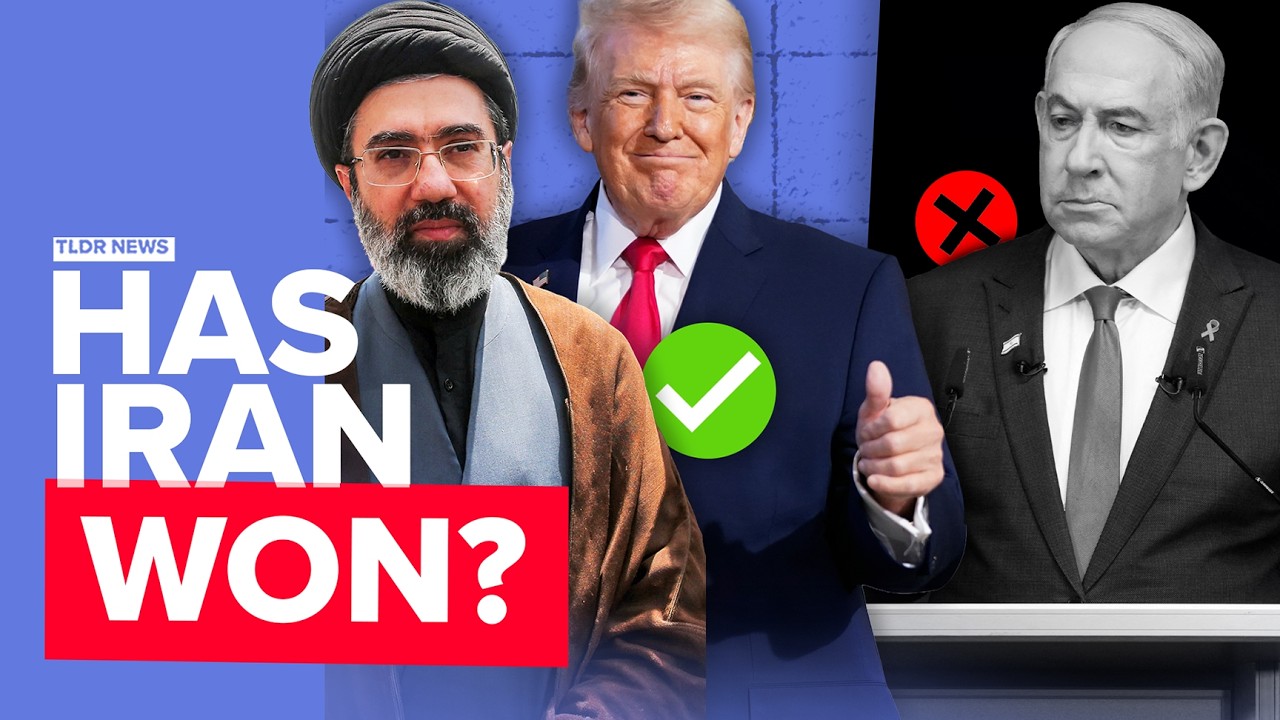
The US-Iran Nuclear Deal: A Diplomatic Tightrope Walk That Reshaped the Middle East
In 2015, the world watched as the United States and Iran—two nations locked in decades of mutual hostility—signed an agreement that many believed could prevent a catastrophic war. The Joint Comprehensive Plan of Action (JCPOA), commonly known as the Iran nuclear deal, was not merely a diplomatic do
In 2015, the world watched as the United States and Iran—two nations locked in decades of mutual hostility—signed an agreement that many believed could prevent a catastrophic war. The Joint Comprehensive Plan of Action (JCPOA), commonly known as the Iran nuclear deal, was not merely a diplomatic document. It was a high-stakes gamble aimed at curbing Iran’s nuclear ambitions while offering the Islamic Republic a path back into the global economy. Understanding this deal requires examining its origins, its mechanics, and its dramatic unraveling.
The Problem: A Suspected Nuclear Weapons Program
For years, intelligence agencies, including the U.S. and Israel, suspected that Iran was pursuing nuclear weapons capability under the guise of a civilian energy program. Iran insisted its nuclear activities were peaceful. Yet by the early 2010s, it had enriched uranium to 20% purity—a level far beyond what is needed for power generation and dangerously close to the 90% threshold required for a nuclear bomb. It also operated a secret underground enrichment facility at Fordow and built a heavy-water reactor at Arak capable of producing plutonium, another bomb-making material.
International sanctions, imposed by the United Nations, the European Union, and the United States, had crippled Iran’s economy. Oil exports dropped by more than half, inflation soared, and the Iranian rial lost significant value. The goal of the sanctions was clear: force Iran to the negotiating table.
The Deal: A Grand Bargain
The JCPOA, negotiated between Iran and the P5+1 (the United States, United Kingdom, France, Russia, China, and Germany), was designed to block all pathways to a nuclear bomb. Under the agreement, Iran accepted strict, verifiable limits on its nuclear program in exchange for the lifting of most international sanctions.
Key provisions included:
- Uranium enrichment: Iran agreed to cap enrichment at 3.67% purity for 15 years. Its stockpile of low-enriched uranium was reduced from 10,000 kilograms to just 300 kilograms.
- Centrifuges: The number of installed centrifuges—machines that spin uranium gas to separate isotopes—was slashed from 19,000 to 6,104, with only 5,060 actually enriching.
- Fordow facility: This underground site was converted into a research center, prohibited from enriching uranium or storing nuclear materials.
- Arak reactor: The heavy-water reactor was redesigned so it could not produce weapons-grade plutonium. All spent fuel rods were to be shipped out of Iran.
- Inspections: The International Atomic Energy Agency (IAEA) gained unprecedented access to Iran’s nuclear sites, including short-notice inspections of undeclared facilities.
In return, the United States and the European Union lifted nuclear-related sanctions, allowing Iran to sell oil again, access frozen assets, and reconnect with the global banking system.
The Critics: Flaws and Fears
Not everyone celebrated the deal. Critics, including many in Israel, Saudi Arabia, and the U.S. Congress, argued that the JCPOA had fatal weaknesses.
First, the deal did not address Iran’s ballistic missile program, which could potentially deliver a nuclear warhead. Second, it imposed no restrictions on Iran’s support for militant groups in Lebanon, Syria, Yemen, and Iraq. Third, the so-called “sunset clauses” meant that key restrictions—such as the limit on enrichment—would begin expiring after 10 to 15 years, leaving Iran free to ramp up its program by 2030.
Detractors also pointed out that the IAEA could not inspect military sites unless Iran agreed, a loophole critics said made cheating possible.
The Implementation: A Fragile Success
For the first few years, the deal worked as intended. The IAEA repeatedly certified that Iran was complying with all its commitments. Iran’s enriched uranium stockpile remained well below the limit. The Arak reactor was filled with concrete. Sanctions relief allowed Iran’s economy to recover modestly, with oil exports rising and inflation falling.
However, the deal never addressed the deep mistrust between the two sides. Iran continued to test ballistic missiles, and the U.S. maintained other sanctions related to terrorism and human rights.
The Collapse: Trump’s Withdrawal
In May 2018, President Donald Trump pulled the United States out of the JCPOA, calling it “the worst deal ever.” He reimposed sweeping sanctions on Iran, including on oil exports and banking. The stated goal was to force Iran back to the table for a “better deal” that would also cover missiles and regional activities.
Iran initially stayed in the deal, hoping the remaining European partners could provide economic relief. But when that failed, Iran began breaching the agreement’s limits. It resumed enriching uranium to 60% purity—a level just steps from weapons-grade—and installed advanced centrifuges. By 2021, Iran had enough enriched material for several nuclear bombs, though IAEA inspectors found no evidence of weaponization.
The Current Status: Stalemate
As of 2024, the JCPOA is effectively dead. Diplomatic efforts to revive it, including talks in Vienna, have stalled. Iran now operates enrichment at levels and speeds that would have been unthinkable under the original deal. Meanwhile, the United States has not lifted sanctions, and Iran continues to expand its nuclear program.
The situation remains one of the most dangerous flashpoints in the Middle East. Israel has threatened military action to prevent Iran from obtaining a nuclear weapon. Iran insists its program is peaceful. The window for diplomacy, while not completely closed, has narrowed significantly.
Why It Matters
The JCPOA was never perfect, but it demonstrated that diplomacy could freeze a nuclear program in its tracks. Its collapse shows how fragile such agreements can be when trust is absent and when domestic politics in both countries shift. For non-native speakers trying to understand this complex issue, the key takeaway is this: the Iran deal was a temporary solution to a long-term problem. Without a new framework, the world may soon face a choice between a nuclear-armed Iran and a war to prevent one.
Related Coverage
US-Iran War Ends in Fragile Truce, $300 Billion Price Tag for America
The United States and Iran have signed a preliminary peace agreement, ending a 100-day war that has devastated the region and left both sides claiming victory while the deal faces collapse from multiple directions.
US and Iran Sign Surprise Deal, End Military Operations Immediately
The United States and Iran have agreed to an immediate and permanent end to military operations under a memorandum of understanding announced Sunday, with Pakistan mediating the surprise agreement and both sides confirming a signing ceremony in Switzerland [172921].
US-Iran Peace Deal Signed, But Israeli Strikes on Lebanon Kill 18 as Ceasefire Crumbles
The United States and Iran have signed a peace agreement to end their war, with the Strait of Hormuz set to reopen and the US lifting its naval blockade of Iran, but the deal is already under threat as Israel continues military strikes in Lebanon that have killed at least 18 people and wounded several others [176645][176722][172795].
Iran Deal to Be Signed Sunday? Trump Says Yes, Iran Says No
A potential peace agreement between the United States and Iran is reportedly close to completion, but conflicting statements from both sides have left the exact signing date in doubt. Mediators from Qatar and Pakistan are pushing to finalize a deal that would end the war and reopen the Strait of Hormuz, but Iran’s foreign ministry insists the memorandum will not be signed on Sunday as U.S. President Donald Trump has claimed.
US-Iran Deal Signed, Leaving Netanyahu Isolated as War Ends in Stalemate
A peace agreement between the United States and Iran has been reached, ending months of conflict, but the deal falls short of the total victory that President Donald Trump and Israeli Prime Minister Benjamin Netanyahu had demanded.
Iran and US Announce Deal to End War, Reopen Strait of Hormuz — But Israel Objects and Details Remain Unclear
The United States and Iran have reached an interim agreement aimed at ending their war and reopening the Strait of Hormuz, a vital waterway for global oil shipments [172974]. However, major disagreements over Iran’s nuclear program, sanctions relief, and regional military influence remain unresolved, and Israel has raised strong objections to the deal [172963][171334].
Related Editorials
The Iran Deal’s Hidden Escape Clause: How the World’s Toughest Sanctions Could Vanish Overnight
In 2015, world powers celebrated the Joint Comprehensive Plan of Action (JCPOA)—the Iran nuclear deal—as a landmark of nonproliferation. But beneath its diplomatic veneer lies a critical secret that could render the agreement meaningless.
The Quiet Surrender: How the United States Lost the War with Iran
For over two decades, the United States has been locked in a strategic confrontation with the Islamic Republic of Iran. Yet, according to a sweeping analysis of American foreign policy, the U.
The Iran Trap: Why Trump Cannot Afford a Second War in the Middle East
In the final months of his first term, President Donald Trump authorized the assassination of Iranian General Qassem Soleimani, bringing the United States and Iran to the brink of open conflict. Now, as he prepares for a potential second term, many analysts warn that a return to the White House cou
Could Turkey and Israel Go to War? The Rising Risk of a New Middle Eastern Conflict
For decades, the relationship between Turkey and Israel has oscillated between strategic partnership and bitter rivalry. Today, that rivalry has reached its most dangerous point in modern history.
Trump’s Latest Iran Strategy Unravels—Again
For years, the Trump administration’s Iran policy has been defined by a single, aggressive objective: maximum pressure. The strategy aimed to cripple Iran’s economy, halt its nuclear program, and force a comprehensive renegotiation of the 2015 nuclear deal.
The End of Contentment: Why Global Stability Is Fracturing
For decades, a fragile global equilibrium held: cheap energy from Russia, ultra-efficient manufacturing from China, and a security umbrella provided by the United States. This arrangement delivered unprecedented prosperity to the developed world.