Governments Launch Global Crackdown on AI Deepfakes and Illegal Content
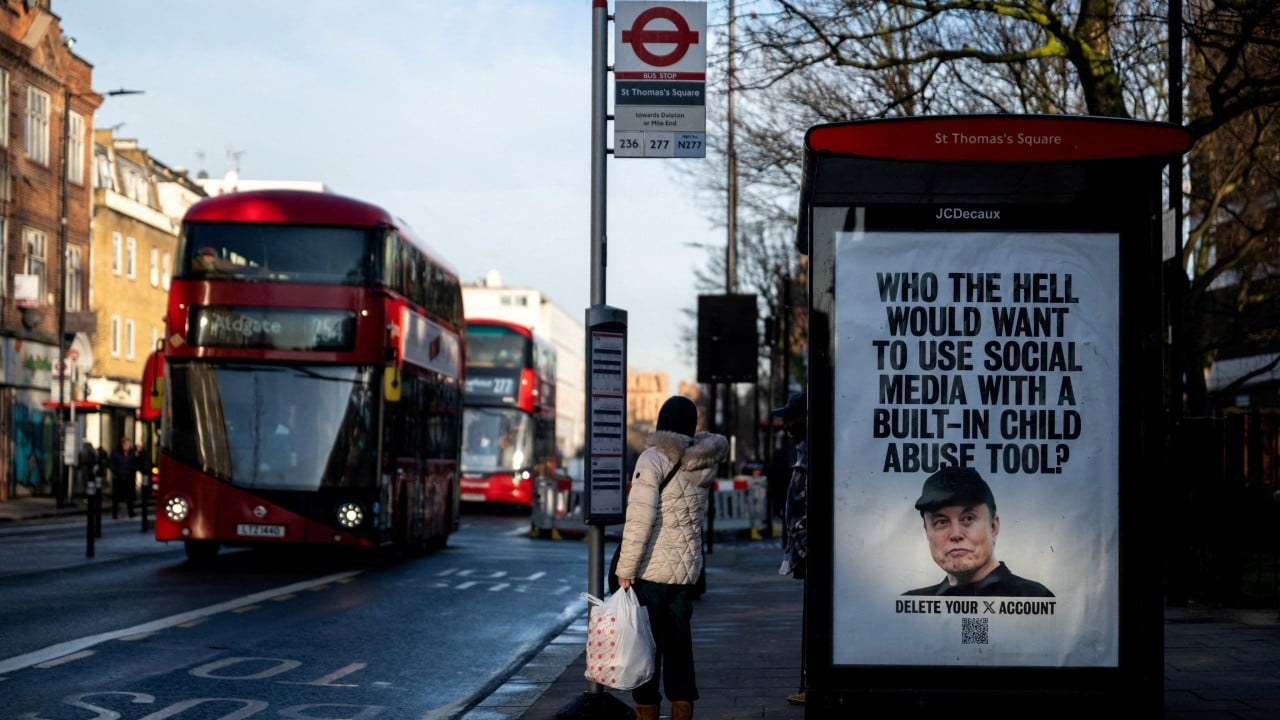
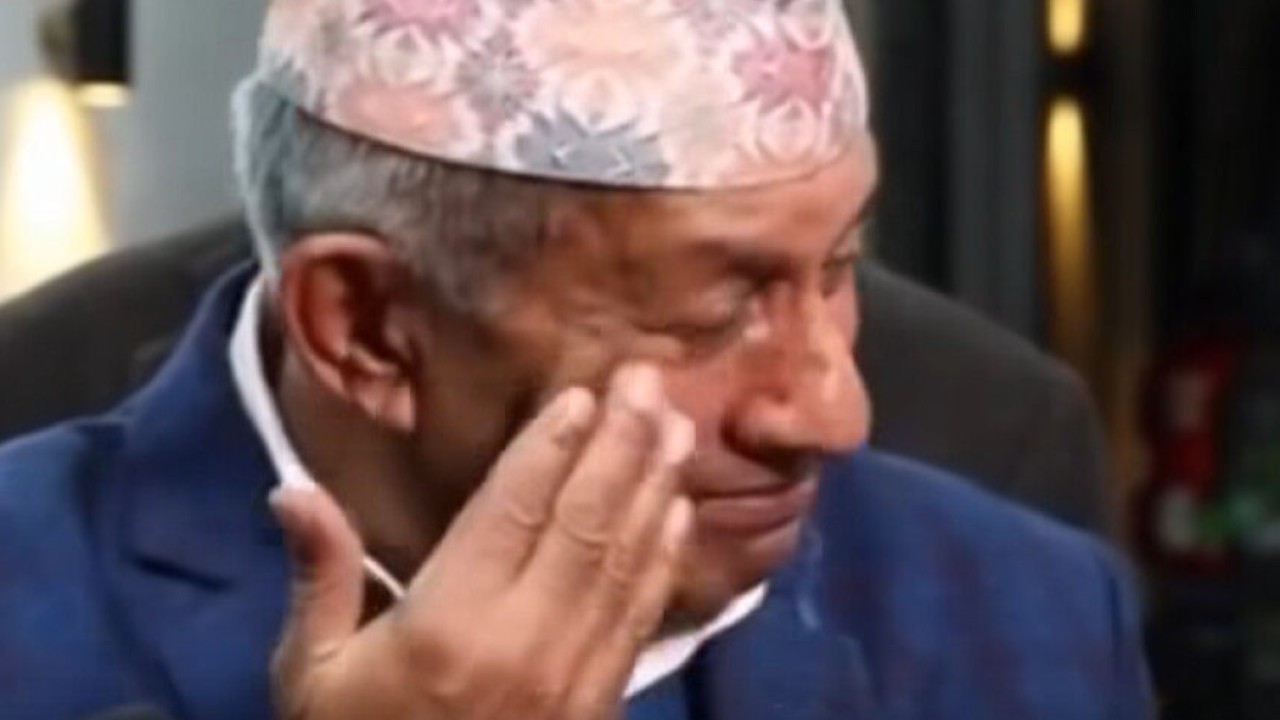
Governments Launch Global Crackdown on AI Deepfakes and Illegal Content A wave of government investigations and new laws is targeting the misuse of artificial intelligence (AI) to create harmful content, with a sharp focus on deepfake pornography and election misinformation. Regulators across multiple continents are moving to hold AI developers accountable for the output of their systems [59125][58673][55923]. The European Commission has opened a formal investigation into Grok, the AI chatbot created by Elon Musk's company xAI. The probe, under the European Union's Digital Services Act (DSA), will examine whether the tool is being used to generate and spread illegal content, including non-consensual sexual images [59125]. Simultaneously, South Korea's Personal Information Protection Commission (PIPC) has launched its own investigation into Grok over similar allegations that it can produce sexually exploitative deepfakes [58673]. This regulatory action coincides with the enactment of the world's first comprehensive AI safety law in South Korea. The legislation mandates that AI developers and service providers take direct responsibility for preventing harmful content, such as deepfake videos and AI-driven misinformation, created by their platforms [55923]. The crackdown extends beyond explicit imagery to the political arena. Experts warn that AI-generated forgeries pose a severe threat to democratic processes. In Nepal, a deepfake video falsely depicting three top political figures forming an alliance spread online ahead of national elections, demonstrating the technology's power to mislead voters [57866]. A consortium of global experts, including Nobel laureate Maria Ressa, has issued a stark warning that swarms of AI bots could be deployed to sabotage the 2028 U.S. presidential election by imitating humans and flooding social media with disinformation [56357]. In response to the growing threat, India has proposed new rules requiring technology companies to identify and remove deepfake content from their platforms [12872]. The global push for regulation highlights a mounting consensus on the need for legal frameworks to govern AI's potential for misuse, even as the technology continues to advance rapidly. EU Investigates Elon Musk's Grok AI for Spreading Illegal Images South Korea Probes Elon Musk's AI Chatbot Over Deepfake Porn World's First AI Safety Law Enacted, Targets Deepfakes and Misinformation Fake Leaders, Real Fear: AI Deepfakes Target Nepal Election AI Bot Swarms Could Sabotage 2028 U.S. Election, Experts Warn India Proposes New Rules to Combat Deepfake Threat
Articles in this Cluster

AI Goes to Work: Simple Bots and Business Tasks Are First Targets
EU Investigates Elon Musk's Grok AI for Spreading Illegal Images
South Korea Probes Elon Musk's AI Chatbot Over Deepfake Porn

Ch
Fake Leaders, Real Fear: AI Deepfakes Target Nepal Election
Life in 2035: A Glimpse into the AI-Dominated Era
SenseTime Bets on Robot AI to Regain Lead
AI Unlocks a New Era of Communication with Whales

AI "World Models" Could Upend the $190 Billion Gaming Industry

India Proposes New Rules to Combat Deepfake Threat

AI "Hallucinates" Its Way to Dutch Word of the Year
AI Bot Swarms Could Sabotage 2028 U.S. Election, Experts Warn
AI as the New God? Why People Seek Comfort in Machines

World's First AI Safety Law Enacted, Targets Deepfakes and Misinformation