AI Is Coming for Your Job and Your Brain: 5 Ways It's Already Reshaping the World
A wave of new warnings shows artificial intelligence is no longer a distant threat—it's already changing how we work, vote, and think. From India's job market to election security, experts say the technology's impact is accelerating faster than our ability to keep up.
Artificial intelligence has moved from science fiction to daily reality, and the consequences are becoming impossible to ignore. Across multiple industries and countries, experts are raising alarms about what AI is already doing—and what it might do next.
In India, the head of the country's information technology (IT) industry lobby has issued a stark warning: graduates may struggle to find jobs as AI reshapes the workforce. The technology, which performs tasks normally requiring human intelligence, is changing how companies hire and operate. With millions of young people entering India's job market each year, the pressure is mounting. The message to graduates is clear—tomorrow's jobs will demand more than a traditional degree [281175].
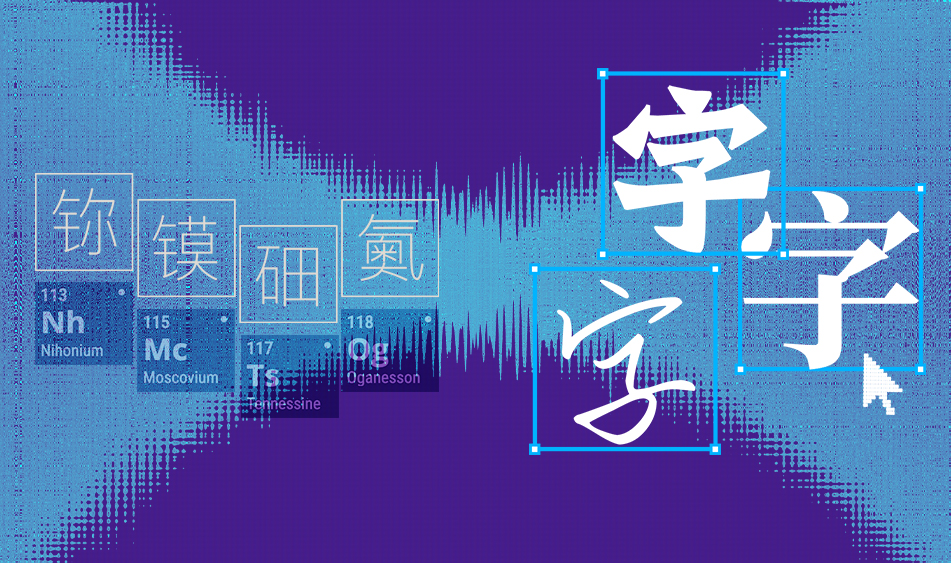
The threat to employment extends beyond India. In China, type designers are facing similar anxieties as AI threatens their livelihoods, though some report unexpected benefits from the technology [277197].
But job losses are only part of the story. Journalist Carlos del Castillo, author of a new book on AI, warns that the technology poses a more fundamental danger: it can fool human brains. "Our brains are hacked by something that is not intelligent, but that talks," he said. People naturally trust machines that speak like humans, even when they cannot actually think [279443]. Despite this risk, del Castillo remains optimistic, describing AI as a "cognitive crutch" that can expand human thinking when used properly [279443].
That vulnerability to deception is already playing out in politics. Fake videos created by AI—known as "deepfakes"—are appearing ahead of Election Day, looking real but designed to spread false information. Experts warn these videos could confuse voters and damage trust in elections, and they are hard to spot and spread quickly online [277673].
The stakes extend to national security. Countries now view AI as essential for strategic deterrence, turning technology into a central arena for global influence. The development and regulation of AI are no longer just business matters—they are critical issues of national security [280798].
In scientific research, AI is increasingly used across fields from data analysis to experimentation, speeding up discovery in ways humans alone could not achieve. But experts caution that AI cannot replace human judgment, and its results still require careful checking by researchers [280672].
For ordinary people, the experience of AI remains mixed. Some say it makes life easier, others say it creates problems and spreads wrong information. Some simply call it magic [281045]. As the technology continues its rapid advance, the question is no longer whether AI will change the world—but whether we can keep up.