Kenya's Press Freedom Crisis: 92 Attacks on Journalists Expose Dangerous Impunity
Kenya's human rights commission documents 92 violations against journalists, warning that unchecked attacks threaten citizens' access to information and democratic accountability.
The Kenya National Commission on Human Rights (KNCHR) has raised alarm over the deteriorating state of press freedom in the country, reporting 92 documented violations against journalists. The rights body warns that these attacks—ranging from violence to intimidation—are not merely attacks on individual reporters but on the public's fundamental right to know [1].
The commission's findings highlight a troubling pattern: when journalists cannot work safely, the consequences extend far beyond the newsroom. As the KNCHR noted, "When journalists cannot speak or organize freely, the consequences reach far beyond individual reporters" [2]. The freedom of journalists to express themselves and to organize is not a personal matter but a cornerstone of democratic society [2].
The attacks documented in Kenya form part of a broader crisis of impunity across Africa. According to a new United Nations Educational, Scientific and Cultural Organization (UNESCO) report, nine out of ten crimes against journalists on the continent go unpunished [3]. This staggering statistic means that those who attack, intimidate, or even kill journalists face virtually no consequences—creating an environment where press freedom is systematically eroded.
The UNESCO findings come as the world marks the International Day to End Impunity for Crimes Against Journalists, a day that honors Ghislaine Dupont and Claude Verlon, two Radio France Internationale journalists murdered in Mali on November 2, 2013. Their killers were never brought to justice [3].
Globally, the situation is equally grim. UNESCO reports that impunity for journalist killings has risen for the first time in more than a decade, with the organization also warning that the growing use of drones represents an emerging threat for reporters in conflict zones [4].
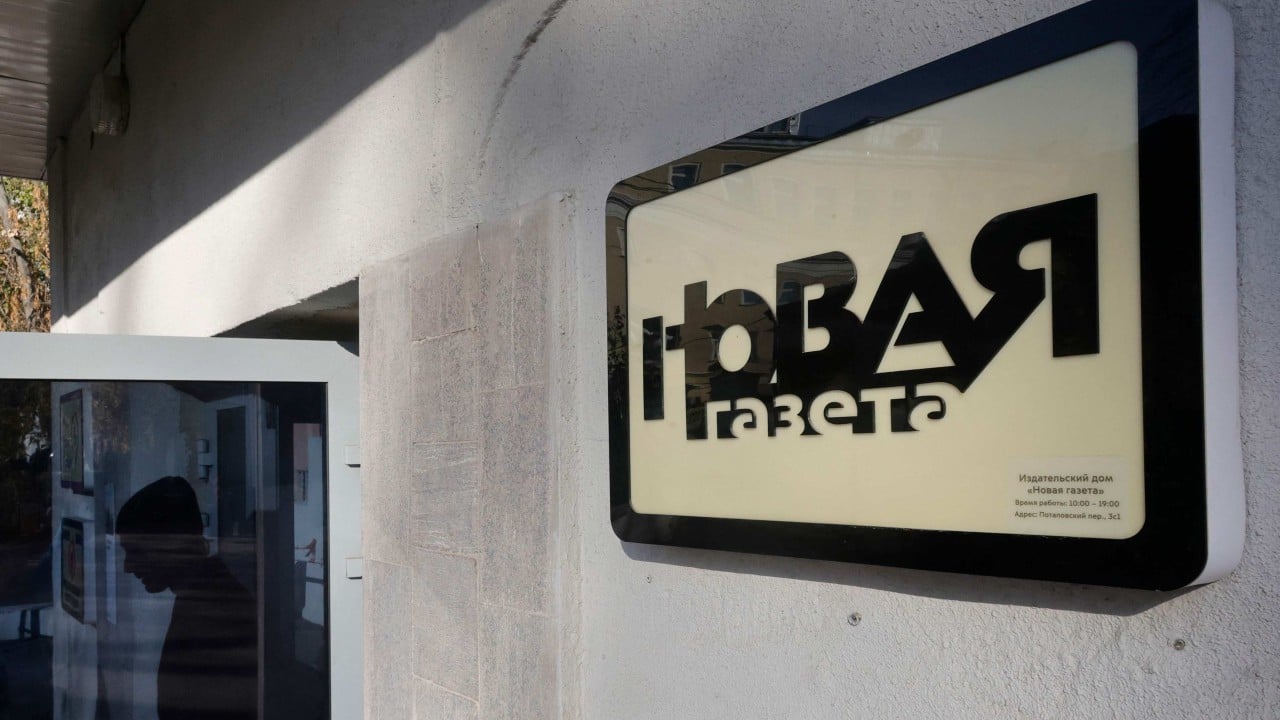
The pattern extends beyond Africa. In Malawi, the Media Institute of Southern Africa (MISA) Malawi has accused the state of fueling a culture of impunity, leaving journalists exposed to violence, intimidation, and threats [5]. In Russia, Novaya Gazeta—the country's last major independent newspaper—announced its closure after what it described as intolerable pressure from authorities. The outlet said it had been "killed" by state repression, with its newsroom stripped, donation platforms blocked, and legal right to publish revoked [6][7][8].
Editor-in-chief Sergei Sokolov wrote on the newspaper's website: "This is not just our own story; it is the story of a country and a society that are being systematically crushed" [7].
In Egypt, authorities detained Lina Attalah, editor-in-chief of the independent outlet Mada Masr, before releasing her hours later. The detention came after a court fined her three million Egyptian pounds (about $53,400) for running the outlet without a license and ordered the closure of her news website [9][10].
Back in Kenya, the KNCHR's warning underscores a fundamental truth: press freedom is not a privilege granted to journalists—it is the public's right to know, and its protection is essential to any functioning democracy [2]. When journalists are attacked with impunity, it is not just reporters who suffer. It is the citizens who depend on them for accurate information, accountability, and truth.
---