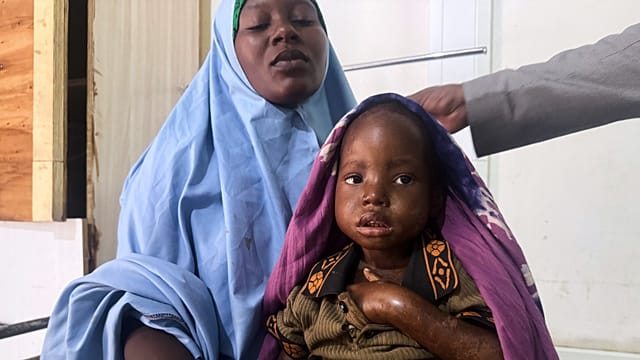
Yemen's Water Crisis Puts 1.6 Million Children at Risk as Fighting Rages
More than 1.6 million children in Yemen's Taiz region face losing access to clean water as fighting intensifies, with hospitals running low on fuel and cholera cases rising fast.
More than 1.6 million children in Yemen's Taiz region are at risk of losing access to clean water as fighting intensifies across the country, United Nations agencies warn [1]. The crisis is growing: over 250,000 people have been displaced nationwide, hospitals are running dangerously low on fuel, and cholera cases are rising fast [1]. Aid groups say the situation is critical and are urging immediate action to protect civilians [1].
The United Nations human rights chief warns that civilians in Yemen face "grave risk" after Houthi forces closed the only supply route between Taiz and Aden [2]. The UN human rights office reports that at least 32 civilians, including 14 children, have been killed and 115 injured since August 1 as fighting intensifies [2].
Pregnant women in Yemen face growing dangers as fighting between Iran-backed Houthis and Saudi-backed government forces strains reproductive health care, the United Nations said Friday [3]. Some facilities that provided emergency obstetric care have been repurposed to treat war-wounded patients, limiting care for mothers and newborns [3].
The humanitarian toll extends beyond water and maternal care. A Houthi ballistic missile attack on a training camp in southern Yemen has killed at least 53 people and injured more than 200, most of them young recruits [4]. The strike hit al-Alam camp in Shabwa province's Jardan district and is the deadliest single attack since Yemen's civil war reignited in September, according to the UN-recognised government, which called the incident a disaster [4]. The injured were taken to a hospital in the provincial capital, Ataq, where authorities made urgent appeals for blood donations [4].
Aid agencies warn that without immediate action, millions of civilians will continue to face grave risks to their health and safety as the conflict escalates.