Somalia’s Child Hunger Explodes: 2 Million Malnourished as 32% More Kids Need Emergency Care
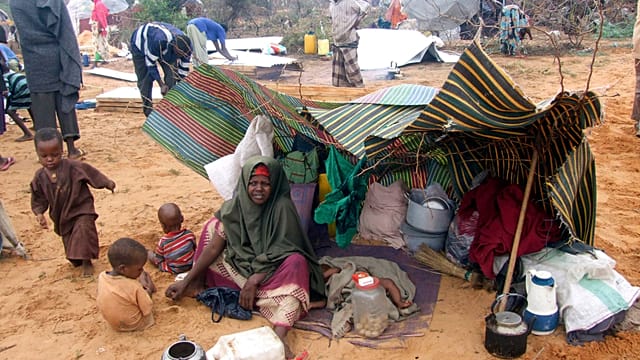
Nearly 6 million people in Somalia—one in three citizens—are now facing crisis-level hunger, with 2 million children suffering from acute malnutrition as international funding dries up and hundreds of health facilities shut their doors.
The convergence of prolonged drought, conflict, and a sharp reduction in global funding has created a devastating ripple effect across the country. The ongoing drought has destroyed crops and livestock, while conflict continues to displace families from their land [226543]. At the same time, international donors have cut back on food and medical aid, leaving humanitarian agencies unable to keep up with the growing need [226543].
The number of children admitted to Somali stabilization centers with severe acute malnutrition and medical complications has risen by 32% in the past year, according to James Elder, a spokesperson for the United Nations Children’s Fund (UNICEF) [224487]. Stabilization centers are specialized units that provide round-the-clock care for children who are dangerously underweight and often suffering from additional illnesses such as pneumonia or diarrhea [224487].
Hundreds of health and nutrition facilities across the country have shut down, deepening an already critical situation [224487][225182]. The closures, driven by funding shortfalls and insecurity, mean many families must travel longer distances for treatment, often arriving too late [224487]. UNICEF warned on Tuesday that the loss of these services is a direct blow to the country’s most vulnerable, leaving thousands of families with fewer options for treatment and prevention [225182].
UNICEF attributes the surge to a combination of prolonged drought, rising food prices, and limited access to basic healthcare [224487]. Elder stressed that without immediate intervention, the death toll among vulnerable children could rise sharply [224487]. He called for urgent international support to reopen closed centers and expand community-based nutrition programs to reach the most affected regions [224487].
The agency is working with local partners to identify the hardest-hit areas and prioritize emergency supplies, but warned that current resources are insufficient to meet the growing demand [224487]. The situation in Somalia remains fragile, with humanitarian needs outpacing available resources [225182].