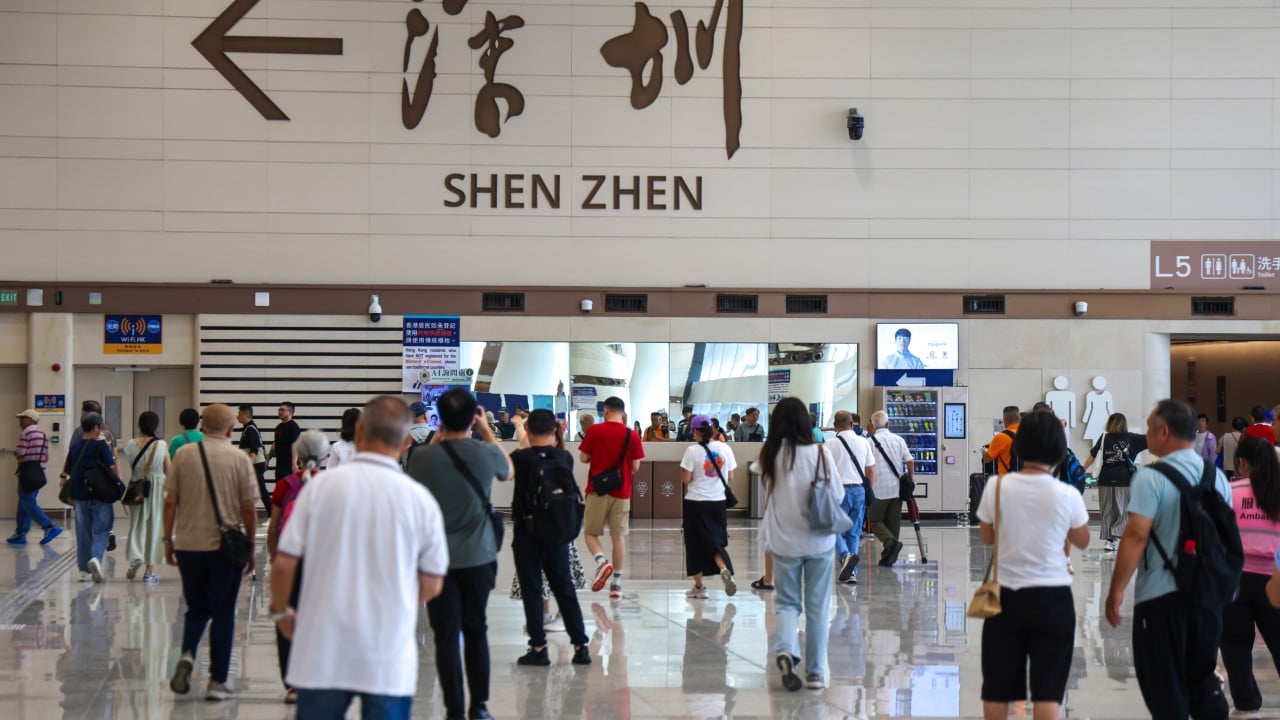
New Border Crossings and Ports See Massive Traveler Surges
A wave of new and expanded border crossings across Asia is handling hundreds of thousands of travelers, from a rebuilt Hong Kong port to China's largest gateway to the Korean Peninsula in 80 years.
A series of newly opened and expanded border crossings across Asia is managing significant surges in traveler traffic, with individual gateways processing tens of thousands of people in just days or months [261369][263888][264308].
In Hong Kong, the rebuilt Huanggang Port handled 79,500 passengers and 8,000 vehicles on its first day of operations, according to the Shenzhen General Station of Exit and Entry Frontier Inspection [261369]. The checkpoint recorded 41,300 people entering the city and 38,200 leaving, with transport officials expecting heavier traffic over the coming holiday weekend [261369].
Meanwhile, China has opened its largest border gateway to the Korean Peninsula in 80 years [263888]. The new crossing at the border city of Dandong, a key point for goods and people moving between China and North Korea, includes new roads, customs facilities, and security systems designed to speed up shipments and reduce waiting times for travelers [263888]. The project took years to build and is expected to handle more traffic than any other crossing in recent history [263888]. Analysts say the opening signals stronger economic ties and may support diplomatic contact between the two countries, though the gateway is currently open for limited use with full operations expected in the coming months [263888].
Elsewhere, the Kessab border crossing with Turkey saw more than 165,000 travelers pass through in both directions during the first nine months of this year, with authorities continuing efforts to ease travel procedures and manage the flow of arrivals and departures [264308].
The developments reflect a broader expansion of border infrastructure and travel capacity across the region.