Iran War Drains $43.6 Billion From US Treasury as Global Fuel Crisis Hits Families From Tehran to Dhaka
The US war with Iran has cost $43.6 billion and triggered fuel shortages worldwide. From insulin patients in Tehran to fishermen in France and families in Bangladesh, ordinary people are paying the price.
The United States has spent $43.6 billion on its war with Iran, the Pentagon told Congress this week — the highest official estimate so far [2]. The figure includes $11.2 billion already committed to operating expenses such as fuel, combat pay, aircraft, medical care, and parts [2]. As polls show more Americans oppose the war, partly because of its effect on the economy, the issue is becoming more important before the November midterm elections [2].
The war has also drained key US munitions stockpiles, according to the Pentagon's inspector general, who found a bottleneck in resupply efforts [3]. This finding contradicts President Donald Trump's claim that US supplies are "virtually limitless" [3].
Beyond the battlefield, the war has tightened global fuel markets. Even with refineries operating at high capacity, supplies of refined products such as gasoline and diesel are running short faster than crude oil, pushing prices up, causing shortages in some regions, and leading several countries to ban exports [5].
In France, fishermen blocked the entrances to two Mediterranean ports and a fuel depot on Wednesday to protest near-record diesel prices linked to the US-Iran war [4]. The government responded by increasing fuel subsidies for the fishing industry [4].
In Bangladesh, the war and the country's reliance on gas imports have caused a severe energy crisis. In Dhaka, a city of almost 40 million people, piped gas is only strong enough for cooking at around 1am, forcing residents like 34-year-old bank employee Halder to wake in the middle of the night to cook for her family [6]. Public areas now shut off power early in the evening, and the city operates in darkness [6].
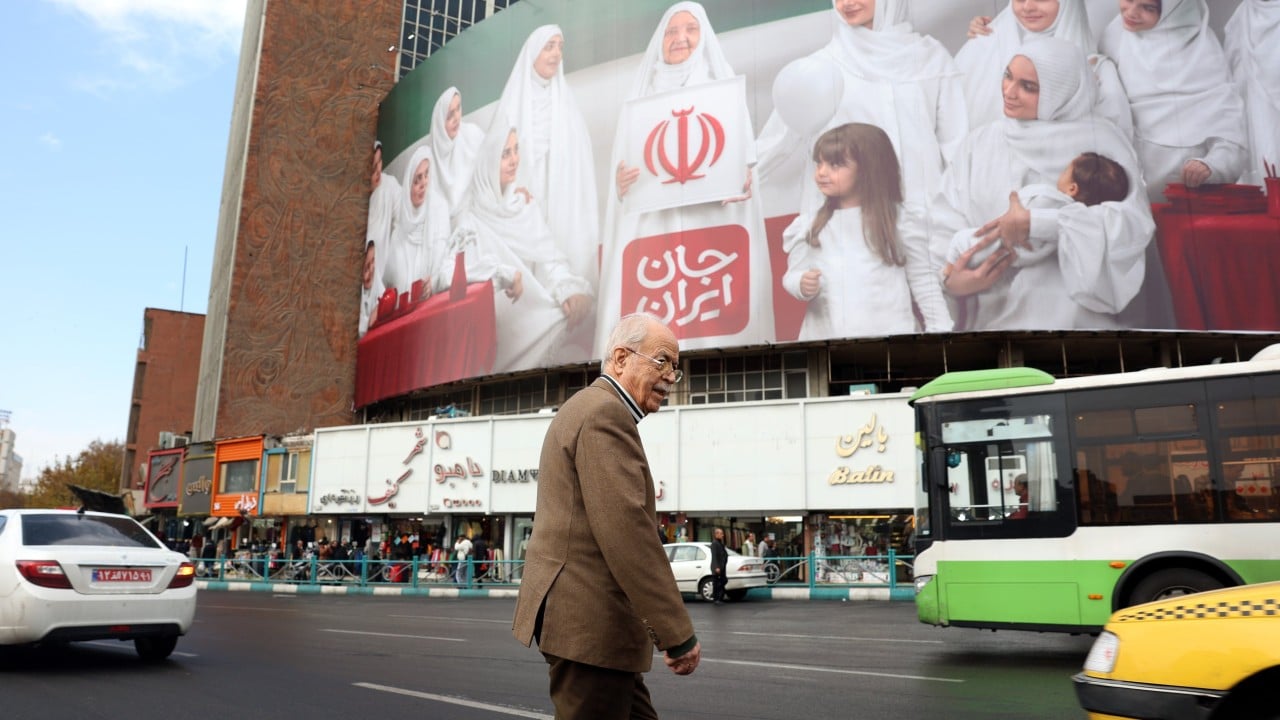
Inside Iran, patients are struggling to find medicine as the war and shipping restrictions continue. Ali Mohseni's 74-year-old mother needs insulin pens every day, but a five-pack that was once easy to find at almost any pharmacy in Tehran now costs more than triple and is so scarce that he sometimes visits several pharmacies before finding them [1]. "She cannot simply stop taking it," Mohseni said [1].