Iran and Oman Map New Routes Through Strait of Hormuz as Somalia Scrambles for Alternatives
Iran and Oman have agreed on new entry and exit routes for ships passing through the Strait of Hormuz, while Somalia searches for new shipping lanes as regional tensions disrupt its trade.
Iran and Oman have reached an agreement on new entry and exit routes for vessels transiting the Strait of Hormuz, Iranian authorities announced on Saturday [240868]. The strait is a narrow waterway connecting the Persian Gulf to the Gulf of Oman and ranks among the world's most critical oil shipping corridors [240868]. Officials have not released further details about the arrangement [240868].
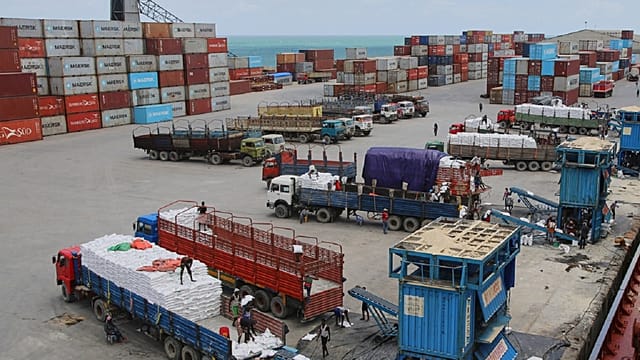
The announcement comes as regional tensions continue to reshape trade patterns across the region. Somalia is actively seeking alternative shipping routes as ongoing instability disrupts its maritime trade [240852]. The shift toward longer routes threatens to raise costs and cause delays, problems that could eventually push up prices and strain supplies in Somali markets [240852].
The two developments highlight how instability in the Middle East and surrounding waters is forcing countries to rethink long-established trade corridors. For Somalia, the search for new routes reflects the practical fallout of tensions that have made existing shipping lanes less reliable [240852]. For Iran and Oman, the new agreement signals an effort to manage vessel traffic through one of the world's most strategically sensitive chokepoints [240868].
The Strait of Hormuz remains central to global energy shipments, and any change to how ships enter and exit the waterway carries significance for international commerce [240868].