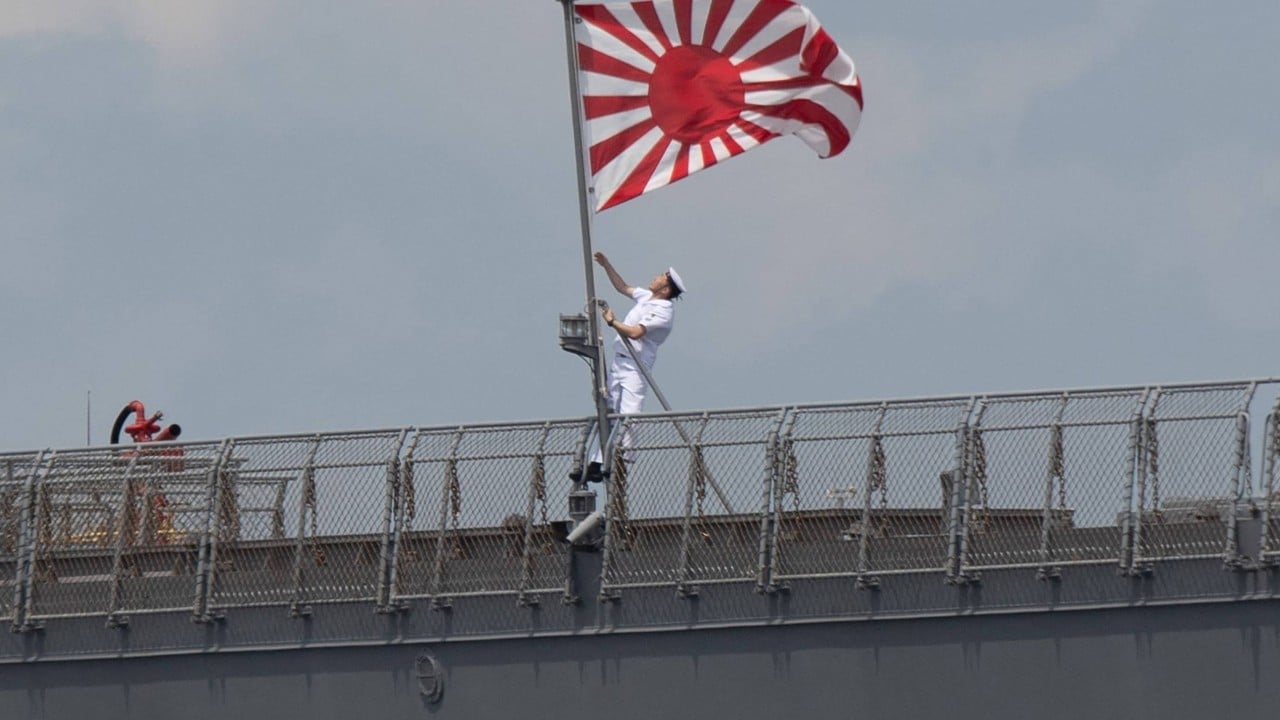
Japan Flogs Stealth Warships to Allies, Ditches Pacifist Arms Ban in Asia Power Play
Japan is actively marketing its advanced Mogami-class stealth frigates to foreign buyers, signaling a major shift away from its post-World War II pacifist stance as it builds a new security role in the Indo-Pacific to counter China’s rising power [180157]. The move, which includes loosening long-standing restrictions on lethal arms exports, comes as Tokyo doubles its defense budget and pushes through sweeping security reforms that critics call “new militarism” [180130][175118].
For decades, Japan’s constitution renounced war and banned the sale of deadly military equipment. But in recent years, the government has gradually relaxed those rules. Now, according to a Wall Street Journal report, Japan is actively pitching its Mogami-class frigate—a modern, stealthy warship designed to avoid radar detection—to international buyers [180157]. The sales effort is part of a broader strategy to create a new security network in the region that does not rely entirely on the United States, as many nations worry about China’s military expansion and question America’s long-term commitment [180157].
“By selling warships, Japan is not just earning money. It is building deeper defense ties with partner countries,” the report notes [180157]. For smaller nations, buying a Japanese frigate means access to advanced technology and closer military cooperation with Tokyo.
Japan’s Defense Minister Shinjiro Koizumi has defended the buildup, calling it “critical” to preventing future conflict and arguing that the country’s post-war pacifist stance is no longer sufficient [176550]. He has pushed back against China’s accusations of “new militarism,” saying the security changes are defensive and necessary [180130].
Domestically, the shift is contentious. Japan’s largest banks—including Mitsubishi UFJ Financial Group, Sumitomo Mitsui Financial Group, and Mizuho Financial Group—are considering financing weapons manufacturers for the first time since World War II, breaking with decades of pacifist tradition [175118]. The government has doubled its defense budget to 2% of GDP by 2027, creating a larger market for domestic arms production [175118].
Meanwhile, a European country has also expressed interest in purchasing defense equipment from Japan, according to Koizumi, though he did not name the nation or the specific equipment [175125]. That deal could further strengthen military ties between Japan and Europe.
China has repeatedly warned that Japan’s military is becoming “more offensive, more dangerous, and more oriented towards actual combat,” accusing Tokyo of accelerating “re-militarisation” [178868][179570]. However, across the Asia-Pacific region, few countries share Beijing’s alarm. “For most of Asia, the fear of a remilitarized Japan is simply not there. Only China seems to be sounding the alarm,” one analysis found [178924].
Public opinion inside Japan remains divided. Recent surveys show that while some citizens support stronger defense amid regional tensions, many others fear a return to militarism, particularly among younger voters who prioritize economic stability over security spending [180047].