India's Farmers Block Highways, Fearing U.S. Trade Deal Will Crash Crop Prices
India's Farmers Block Highways, Fearing U.S. Trade Deal Will Crash Crop Prices Thousands of Indian farmers have taken to the streets and blocked major highways, protesting a new trade agreement with the United States that they fear will flood the market with cheap imports and destroy their livelihoods [75183]. The protests, which have seen tractors and trucks used to barricade roads around the capital, New Delhi, center on concerns that the deal will undermine the government's system of minimum support prices for key staples like wheat and rice [73750]. Farmers argue that lowering import taxes on American agricultural goods could lead to a sudden drop in prices, devastating local producers [75183]. The Indian government has stated that the trade pact includes safeguards for the domestic agriculture sector and that the minimum price system remains protected [75183][73750]. However, protest leaders express deep distrust of these assurances and are demanding the government reject the deal entirely, claiming it favors U.S. corporate interests over Indian farmers [75183]. The unrest highlights the tense balancing act facing Prime Minister Narendra Modi's administration. While the agreement is viewed as a diplomatic victory that strengthens ties with a key partner, the farming community represents a massive and politically crucial voting bloc [73750]. Negotiations between farmer unions and government officials are ongoing as authorities increase security at key entry points to the capital [73750]. The nationwide strike and road blockades underscore the high stakes of India's economic policymaking, where international trade ambitions often clash with the urgent needs of its vast agricultural sector [75183]. Indian Farmers Strike, Fearing U.S. Trade Deal Will Flood Market India's Farmers Protest as Modi-Trump Trade Pact Threatens Key Crop Prices
Articles in this Cluster
Billionaires and Generals Tighten Grip as Public Power Fades in India and Pakistan
India's Green Growth Leaves Poorer States Behind

India Fears a "Walled Garden" for the Future of Factories
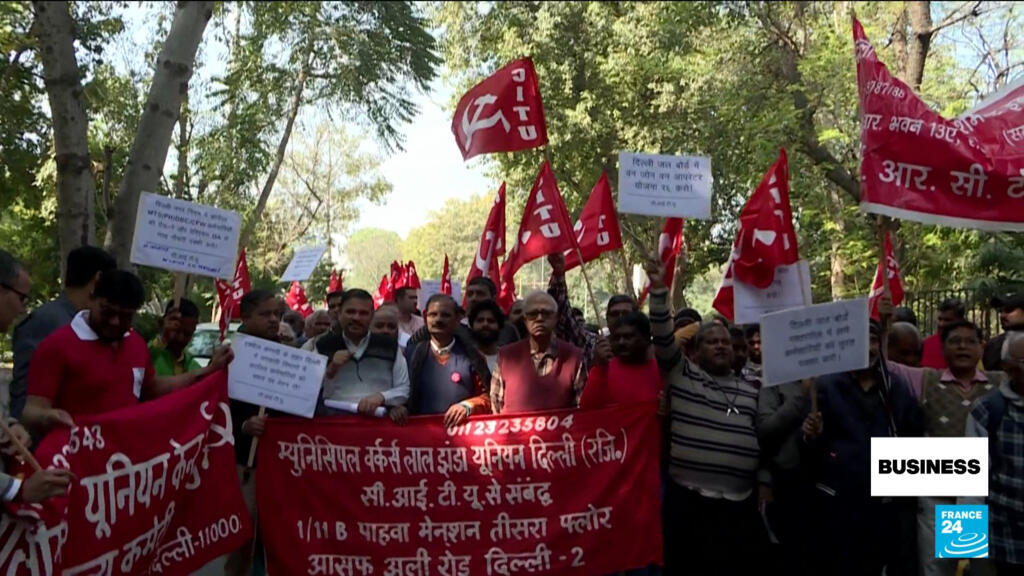
Indian Farmers Strike, Fearing U.S. Trade Deal Will Flood Market
India’s Invisible Rich: Why the Wealthiest Remain a Mystery

India's Gas Crisis: How a Distant War Hit 1.5 Billion People

Tata Group Leadership Dispute Intensifies Over IPO Plans
Tech Billionaires Fly to Delhi as Global South Fights for AI Control

India's Gas Shortage Clashes With U.S. Demands on Iran

China Builds, India Waits: Border Villages Question Slow Promise
India's Airline Giant Stumbles as Passenger Numbers Set to Soar
Gulf Conflict Threatens India's Vital Fertilizer Imports
