Trump Threatens to Block Key Global Oil Route, Rattling Markets and Alliances
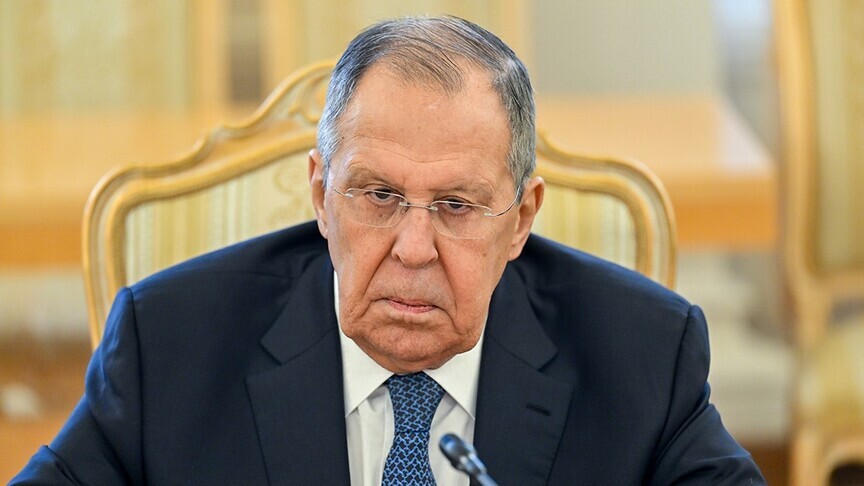
Trump Threatens to Block Key Global Oil Route, Rattling Markets and Alliances Former U.S. President Donald Trump has threatened to blockade the Strait of Hormuz, a vital waterway for global oil shipments, if he wins the November election, sending energy markets into turmoil and raising new questions about America's security commitments [127262]. The threat, part of his "America First" foreign policy, triggered an immediate spike in oil prices and a sharp drop in Asian stock markets [127262]. The Strait of Hormuz, a narrow passage between Iran and Oman, is a chokepoint for approximately one-fifth of the world's seaborne oil [127262][127575]. Trump stated he would seal off the strait unless U.S. allies paid more for American military protection, a move analysts warn would severely disrupt global supplies and cause prices to surge much higher [127262]. The threat coincides with reports that the United States is preparing plans for a potential naval blockade of the strait, underscoring the military option is under active consideration [127575]. This development intensifies a pre-existing standoff with Iran, which has become a direct test of strength between the two nations [127469]. Experts describe the situation as volatile, dependent on Iran's ability to withstand U.S. strikes versus President Trump's willingness to bear the costs of a deeper conflict [127469]. The aggressive posture is straining America's international alliances. Following recent military confrontations involving Iran, President Trump warned that the North Atlantic Treaty Organization (NATO) needs "very serious examining," accusing European members of failing to support the United States despite its large financial contributions to the alliance [127219]. This has injected fresh uncertainty into the future of the transatlantic security partnership [127121]. The combined effect of rising Middle East tensions and U.S. policy statements is creating widespread geopolitical and economic ripples. In Asia, a major survey reveals that confidence in U.S. leadership has fallen sharply, complicating the region's delicate balancing act between Washington and Beijing [126587]. Meanwhile, a former governor of China's central bank stated that U.S. policies, including widespread tariffs and financial sanctions, have created a "golden window of opportunity" to promote the international use of China's yuan, citing eroding global trust in the dollar [127524]. As the crisis simmers, diplomatic coordination is intensifying among U.S. rivals. Russian Foreign Minister Sergey Lavrov traveled to China for talks, a visit seen as an effort to align positions on the Middle East and present a united front [127451]. Trump Threatens to Block Key Oil Route, Sending Markets into Turmoil U.S. Weighs Hormuz Blockade as Key Trump Ally Loses EU Seat Trump's Iran Dilemma: A Test of Wills With No Easy Exit Trump Questions NATO's Future After Iran Crisis Trump Doubts Shake Asia's China-US Tightrope Dollar Weakness Opens "Golden Window" for China's Yuan, Says Ex-Central Bank Chief Russia's Lavrov Flies to China as US-Iran Crisis Simmers
Articles in this Cluster
"Don't Mention Climate": Trump Pressure Stalls Global Green Fund Talks

Trump's Iran War: A Warning for Asia?

US Political Crisis Coincides with Major Global Shifts
Netanyahu's "Greater Israel": More Than Land, A Bid for Power
U.S.-U.A.E. Alliance Stuck in the Past: Time for a New Deal
Trump Threatens to Block Key Oil Route, Sending Markets into Turmoil
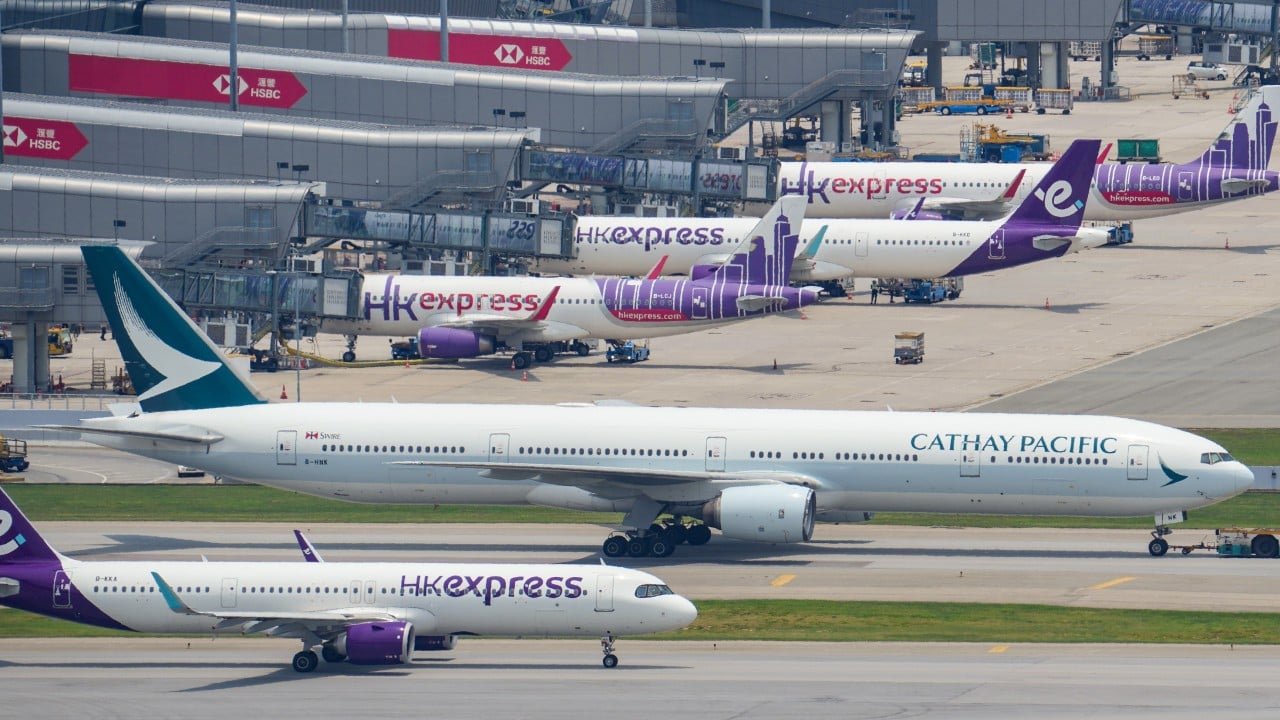
Hong Kong's Hub Status Threatened by Middle East War

Trump Questions NATO's Future After Iran Crisis
U.S. Weighs Hormuz Blockade as Key Trump Ally Loses EU Seat
Trump's Iran Dilemma: A Test of Wills With No Easy Exit

Trump Threatens Iran Blockade as Orbán Falls in Hungary
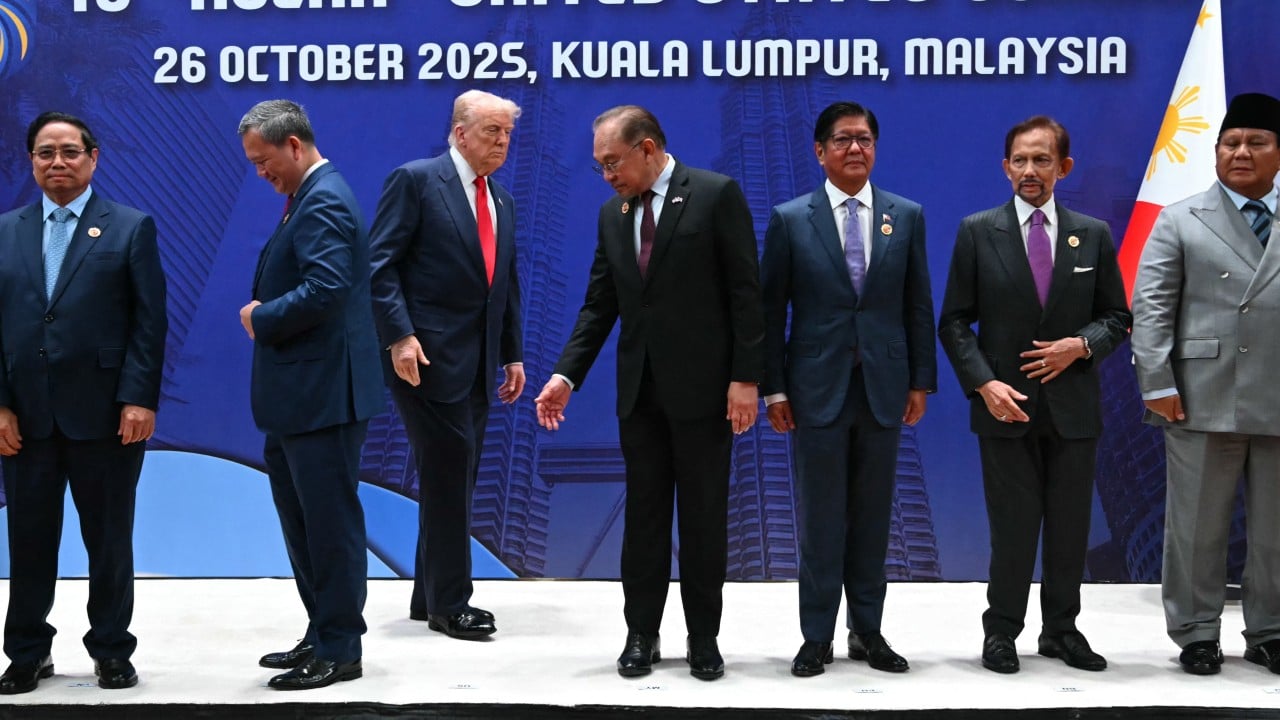
Trump Doubts Shake Asia's China-US Tightrope
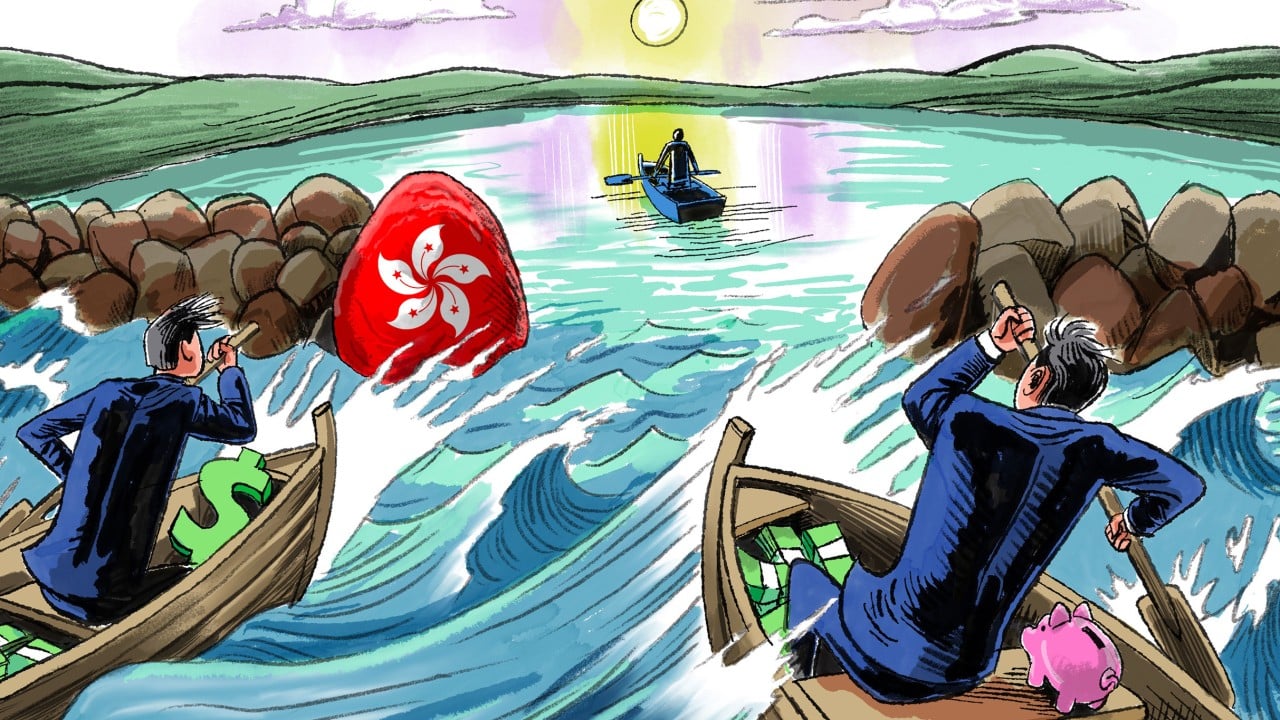
Hong Kong Emerges as Unlikely Safe Haven Amid Global Upheaval

Dollar Weakness Opens "Golden Window" for China's Yuan, Says Ex-Central Bank Chief