U.S. and Iran Hold High-Stakes Talks in Pakistan as Regional War Widens
U.S. and Iran Hold High-Stakes Talks in Pakistan as Regional War Widens Direct, high-level negotiations between the United States and Iran opened in Islamabad this weekend, a rare diplomatic effort aimed at halting a rapidly expanding Middle East conflict that has drawn in multiple nations and armed groups. The talks, hosted by Pakistan, began with a meeting between U.S. Vice President JD Vance and Pakistani Prime Minister Shehbaz Sharif on Saturday [125866]. A U.S. government plane carrying senior officials landed in Islamabad for the discussions, which are intended to find a path to permanently end a six-week war that has killed thousands [125874]. The dialogue represents the highest-level direct meeting between the two rival nations in decades [125785]. The Indonesian foreign ministry called the talks "encouraging" and urged both sides to work toward a "sustainable solution" [125940]. A central and immediate complication for the negotiators is the demand from Iran that any ceasefire agreement must include Lebanon, where the Iranian-backed Hezbollah group is engaged in near-daily clashes with Israeli forces along their shared border [125874]. This conflict is now a pivotal issue, with analysts warning that the violence in Lebanon could trigger a much wider regional war and will heavily influence the Islamabad discussions [125686][126108]. The U.S. delegation, led by Vice President Vance, arrived with a sharp warning for Tehran. "Now is not the time for Iran to play games with the United States," Vance told reporters as he departed on his mission, which will also include stops in Egypt, Jordan, Qatar, and Israel [126108]. The negotiations occur against a backdrop of severe regional escalation. Recent strikes have damaged cultural heritage sites, including the Golestan Palace, a UNESCO World Heritage site in Tehran, which Iran says was hit by Israeli missiles [126546]. The conflict has also spread to Gulf nations, affecting major hubs like Dubai and Kuwait, and raising fears of a full-scale regional war [90697]. The outcome of the talks in Pakistan is seen as critical for the immediate future of several nations, particularly Lebanon. The United Nations has described the country as facing a "perfect storm" of crises following Israeli strikes, and its stability now hinges on the fragile international diplomacy underway [125652]. US and Iran Meet for Talks as Middle East War Expands Iran Demands Lebanon Ceasefire in Last-Minute Peace Talk Hurdle US and Iran Hold Rare Direct Talks in Pakistan to End Middle East War Iran and US to Meet in Pakistan as Israel-Lebanon Tensions Rise Vance to Iran: "Do Not Test Us" as Mideast Mission Begins U.S.-Iran Ceasefire Talks Leave Lebanon in Tense Limbo
Articles in this Cluster

UNESCO Sites Damaged in Middle East Strikes

Gaza's Christians Hold Easter Vigil Under Ceasefire
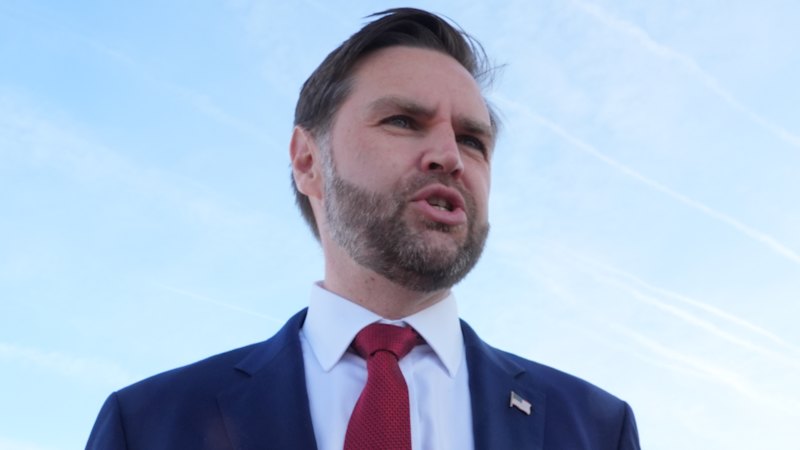
Vance to Iran: "Do Not Test Us" as Mideast Mission Begins

US and Iran Hold Rare Direct Talks in Pakistan to End Middle East War

Teen's Phone Captures Beirut Airstrike While She Runs
Vance's High-Stakes Iran Mission: A Weak Hand in Islamabad
Eid Prayers Echo as War Thunder Rolls in Middle East

Middle East Conflict Diverts Medical Tourists to Malaysia
Oil Slick From Bombed Iranian Ship Heads for Protected Wetland
Middle East Conflict Widens: Strikes Hit Lebanon, Gulf States
