Gas Shortage Grips 1.5 Billion as Distant War Disrupts Vital Imports
Gas Shortage Grips 1.5 Billion as Distant War Disrupts Vital Imports A conflict thousands of miles away has triggered a severe cooking gas crisis in India, disrupting the lives of its nearly 1.5 billion people [125050]. The war has choked off supplies of liquefied petroleum gas (LPG), which India imports primarily from the Middle East, leading to long queues at distribution centers and a surge in black-market prices [125050]. The immediate cause is the disruption of shipments through the Strait of Hormuz, a critical global shipping route now affected by the regional conflict [125050]. This bottleneck has caused a direct and acute shortage for Indian households, which rely heavily on imported LPG for daily cooking [125050]. The crisis extends beyond the kitchen. The same volatile region is also a crucial conduit for India’s fertilizer imports, threatening the nation’s agricultural season and food security [117032]. Experts warn that continued instability could delay shipments and drive up costs for farmers, who depend on these imports to grow food [117032]. In response to the dual threat, the Indian government is urgently examining ways to boost domestic production and find more reliable import partners to shield the economy from future global shocks [117032]. The situation underscores the country’s vulnerable dependence on foreign energy and key agricultural inputs. Meanwhile, the human cost of the distant war is mounting. At least eight Indian migrant workers living in Gulf countries have been killed in war-related incidents, and many more are stranded, unable to afford emergency flights home to anxious families in India [125050]. India's Gas Crisis: How a Distant War Hit 1.5 Billion People Gulf Conflict Threatens India's Vital Fertilizer Imports India's Gas Shortage Clashes With U.S. Demands on Iran
Articles in this Cluster
Billionaires and Generals Tighten Grip as Public Power Fades in India and Pakistan
India's Green Growth Leaves Poorer States Behind

India's Gas Crisis: How a Distant War Hit 1.5 Billion People

India Fears a "Walled Garden" for the Future of Factories
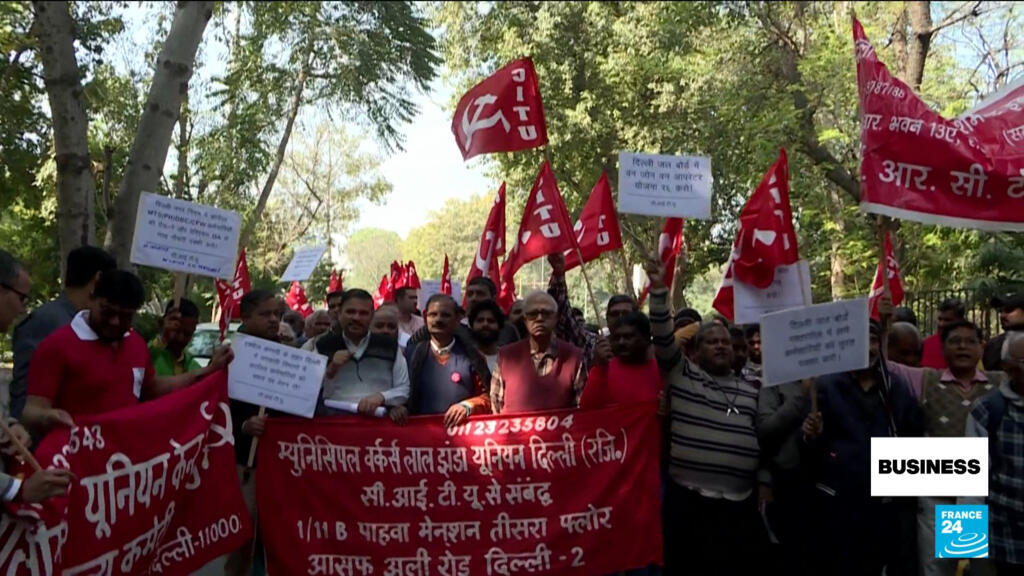
Indian Farmers Strike, Fearing U.S. Trade Deal Will Flood Market
India’s Invisible Rich: Why the Wealthiest Remain a Mystery

Tata Group Leadership Dispute Intensifies Over IPO Plans
Tech Billionaires Fly to Delhi as Global South Fights for AI Control

India's Gas Shortage Clashes With U.S. Demands on Iran

China Builds, India Waits: Border Villages Question Slow Promise
India's Airline Giant Stumbles as Passenger Numbers Set to Soar
Gulf Conflict Threatens India's Vital Fertilizer Imports
