Spain's Minimum Wage Must Rise More Than 5%, Union Leader Says
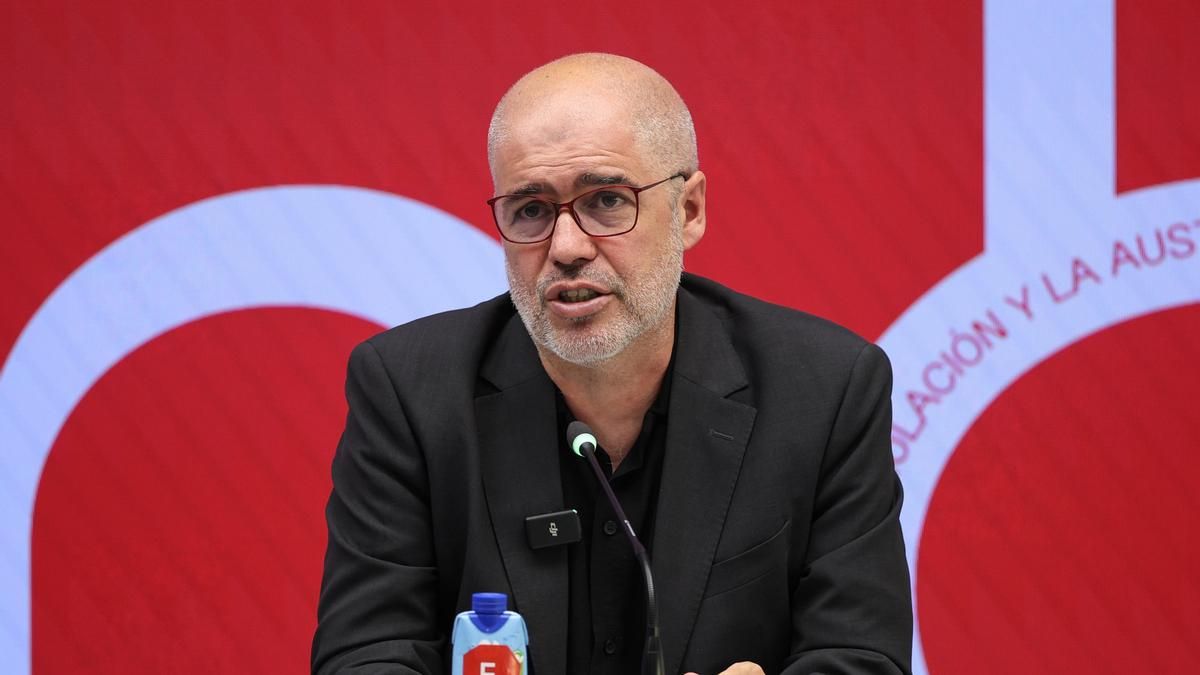
Spain's top union leader, Unai Sordo, said Monday that the minimum wage needs an "ambitious" increase in 2027—specifically, a rise of more than 5%. He made the remarks at a press breakfast in Madrid's Ateneo.
Sordo, who leads the CCOO union, explained that the 5% figure matches the expected average increase in salaries across the country. He added that CCOO will soon present a detailed proposal together with the UGT, Spain's other major union.
The push comes as the current minimum wage of 1,221 euros per month loses purchasing power. Inflation hit 4.3% in August, eroding what workers can buy with their pay.
Sordo stressed that any wage deal must also include a long-promised government reform. That reform would stop companies from cutting special pay supplements when the minimum wage rises. Without it, workers often see no real increase in their final paychecks.
"No deal on the minimum wage without resolving the supplement issue," Sordo said firmly.
The CCOO and UGT have supported this position for two years. In the past, they agreed to wage pacts only after the government promised to act. The last promise came in writing, signed by Prime Minister Pedro Sanchez when he attended the 2026 minimum wage agreement.
This year, Sordo insists the reform must actually happen before unions sign off.
The Labor Ministry took a first step in February by publishing a draft decree for public consultation. However, the reform has not yet been approved by the Council of Ministers. Government reports are still pending, and the measure must then go to the Council of State for review.
The key question is timing. If the process drags on, the reform may not pass before the 2027 wage increase. Officials hope both measures could be approved together by late this year or early next year.
Separately, Sordo addressed the migrant crisis in Ceuta, a Spanish city in North Africa. Thousands of migrants arrived in late July, and many remain without shelter.
Sordo called for "solidarity" from other Spanish regions. He said support must go beyond slogans like "all with Ceuta" and involve actually taking in some of the migrants. He urged the government and regional authorities to set up a distribution process, noting that Ceuta cannot handle the "demographic pressure" alone. Legal procedures—including asylum requests, handling of minors, and returns—take time, he said, making shared responsibility essential.