Title: Ceuta’s 80,000-Strong Border Crisis: Why Spain Still Has No Answers
Part of composite article Ceuta’s 80,000-Person Border Breach: Spain’s Weakest Point Exposed? View full article →
**Article:**
More than a month after one of the largest mass border crossings in recent European history, Spain’s government still faces more questions than answers. On July 30, 2026, an estimated 80,000 people—nearly equal to Ceuta’s entire population—forced their way into the Spanish enclave from Morocco. The exact number remains unknown, as does the event’s true origin.
The Spanish government has offered no coherent explanation for what triggered the surge. Conspiracy theories now circulate widely, suggesting foreign intelligence agencies, including the CIA, Mossad, or Russian operatives, may have manipulated social media to incite the crossing. Some point to figures like Elon Musk and global far-right leaders as possible instigators. However, no evidence supports these claims.
What is clear is the humanitarian failure that followed. Thousands of migrants, including pregnant women, children, and elderly people, were left wandering through mountains, beaches, and dirty streets for weeks. Critics say the government failed to set up proper camps, medical care, or security systems from day one. The slow response, they argue, was incompatible with a nation boasting strong economic numbers.
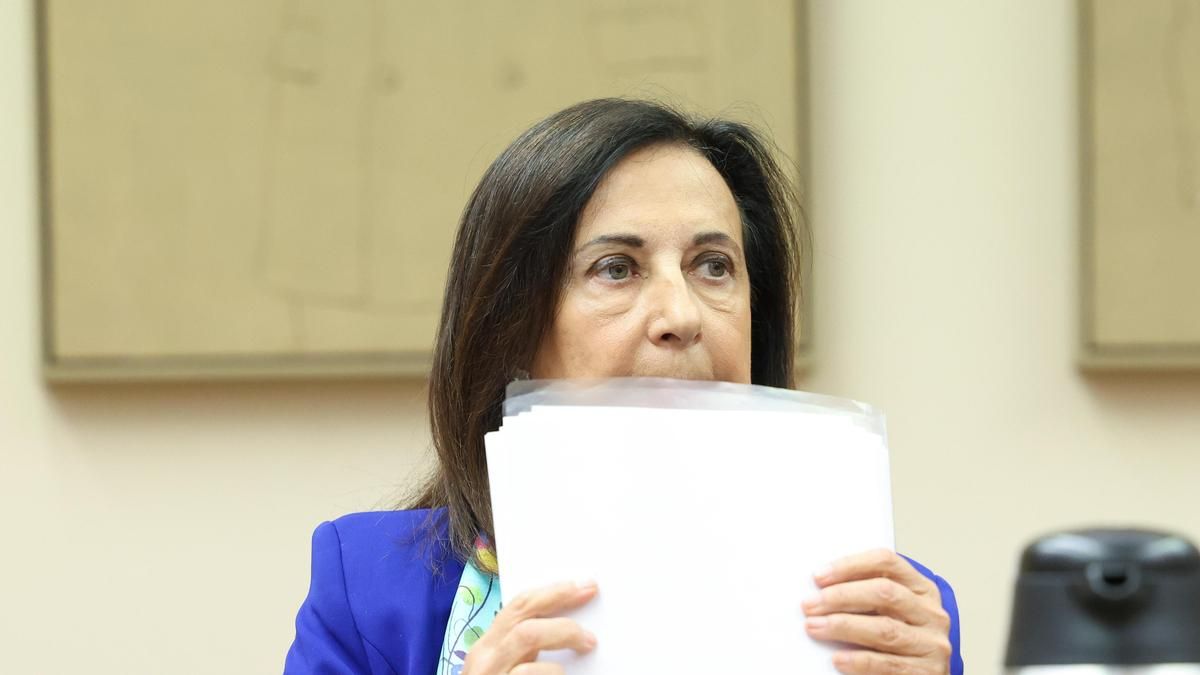
Spain’s Defense Minister, Margarita Robles, faced sharp criticism during a recent parliamentary appearance. She stated that 25 agents in the area had warned the night before that several people were arriving by swimming. Detractors called the statement dismissive, noting that such basic observation requires no intelligence services.
The crisis also exposed political divisions. In July, Spain’s Supreme Court ruled against “hot returns” (immediate deportations) of migrants who enter Ceuta or Melilla by sea. The ruling, authored by judges with ties to the conservative Popular Party (PP), was condemned by government supporters as politically motivated.
Meanwhile, the government’s communication strategy has been widely panned. A parade of ministers offered vague statements but no concrete actions. A controversy over King Felipe VI’s travel plans added to the sense of disarray. Critics demanded a unified command and a transparent account of spending, but received only silence.
Opposition parties have offered little help. PP leader Alberto Núñez Feijóo was described as politically empty, while Vox’s spokesperson, Figaredo, suggested hunting migrants one by one—a remark widely condemned as inciting violence.
On the international stage, the government’s close ties with Morocco have also drawn scrutiny. Many saw the repeated gestures of friendship toward the Moroccan regime as misplaced, given the crisis’s origins.
Elsewhere, Madrid’s regional president, Isabel Díaz Ayuso, faced ridicule after attempting to dismiss questions about her purchase of a luxury penthouse with the phrase “Chao pescao” (roughly, “See ya”). Critics say her flippant attitude undermines public trust.
As Prime Minister Pedro Sánchez prepares to address Congress this week, the public remains skeptical. The humanitarian situation in Ceuta persists, and no clear solution has been offered.
The judges, meanwhile, remain a powerful, unseen force. Critics warn that Spain’s judiciary, long accused of political bias, may continue to shape policy from the shadows.
For now, the people of Ceuta and the thousands of migrants still stranded there wait. The government has promised action, but so far, little has changed.