Ukraine has five ways to stop Russia’s Iskanders. Only one arrives before the strikes on the grid begin.
Part of composite article Ukraine’s Air Defense Is Running on Empty as Russia’s Faster Drones and Missiles Close In View full article →
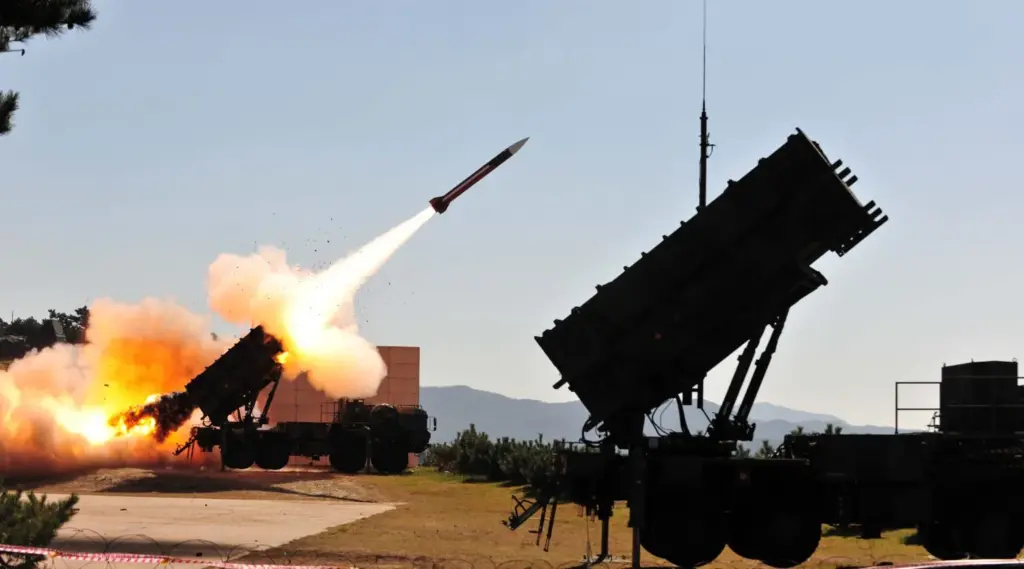
Kyiv faces a narrow window to stop Russia’s most dangerous missile. The Iskander—a short-range ballistic weapon—can hit a target within minutes of launch. Ukraine has five known countermeasures. But four of them react too slowly.
The first option is air defense. Systems like Patriot can intercept the missile mid-flight. But they are expensive, limited in number, and often positioned far from the grid’s most vulnerable points.
The second is electronic jamming. This can confuse the missile’s guidance, but Iskanders are designed to resist such interference. Success is not guaranteed.
The third is striking Russian airfields and storage depots. This would reduce the number of launches. But it requires deep-strike capability, which Ukraine lacks in sufficient quantity.
The fourth is decoy targets. Fake substations and transformers can trick the enemy into wasting missiles. This works, but it does not stop the real ones.
The fifth is the only one that arrives before the strike begins: hunting the launcher itself. An Iskander launcher must rise from cover, fire, and hide again. It spends roughly twenty minutes above ground in a forest. Finding it in that window is the only way to destroy the missile before it leaves the barrel.
That means constant surveillance. Drones, satellites, and human intelligence must track every suspected hiding spot. The launcher moves fast. The window is short.
Ukraine’s grid is already under pressure. Each successful strike brings blackouts closer. The math is simple: stop the launcher, stop the missile. But the clock is always ticking.