Title: You’re Paying Influencers to Tell You What to Think
**Article:**
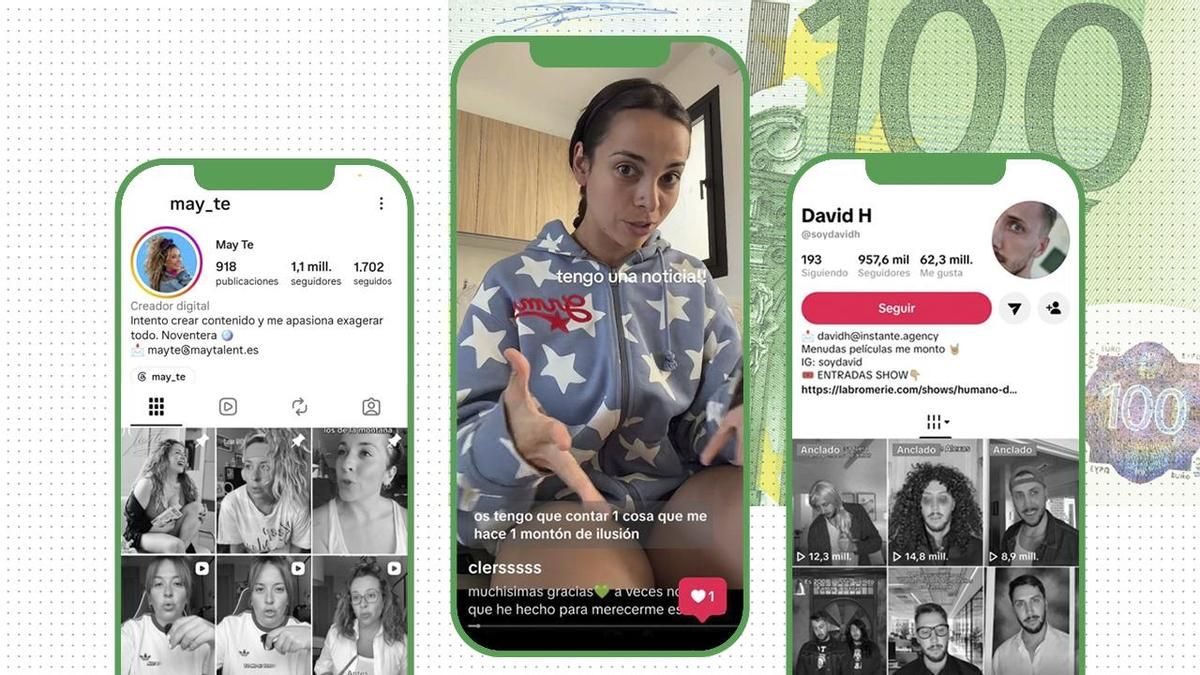
A recent viral video showed a Spanish influencer with nearly one million followers complaining that the country is full of "freeloaders" living off state benefits while hardworking people like her pay taxes. As an example, she cited an elderly neighbor receiving an orphan's pension. The only problem? In Spain, orphan's pensions generally stop at age 21, or in some cases 25. The story didn't match reality.
But the real issue isn't this particular influencer or her neighbor. It's how easily such narratives spread online. The idea that benefit recipients are suspicious, that immigrants are invaders, that taxes are theft—these messages now move through social media as easily as product recommendations. Even an eclipse becomes fuel for a culture war because, after all, an eclipse is hard to monetize unless you wrap it in outrage.
This digital ecosystem rewards confidence without knowledge and opinion without the inconvenience of research. The algorithm doesn't force anyone to follow these figures. Yet we've normalized the idea that someone with many followers—regardless of background or expertise—can turn anything into a consumer decision, and then extend that same trust to politics, science, or social issues. We've accepted follower count as a form of authority.
There is a difference between content creators who have spent years building an audience through consistent work—whether videos, photography, humor, or education—and a newer wave of "nada-influencers": people launched into digital stardom after a reality TV stint or a televised scandal. The latter group often shows the same products, the same recipes, the same miracle hair supplements, just with different discount codes. After years of tracking our desires, the algorithm has homogenized them.
Some signs suggest growing fatigue with this culture. But even that may be an illusion—my own feed now shows me videos of people tired of influencers because I watch videos of people tired of influencers. You can't trust anything on the internet anymore.
If this bubble is deflating, we shouldn't take too much credit. We created these influencers. We can demand responsibility from brands and honesty from creators, but the truth is simple: for someone to influence, someone else must be willing to be influenced. The real question is this—who are you paying with your attention to tell you what to buy, what to think, or what to be angry about?