Cantabria's Silent Killer: Heat Waves Deadlier Than Cold in Spain's Forgotten South
When Celestino met the two young researchers in Mataporquera, he didn't hesitate. He offered to guide them through Valdeolea, introduced them to neighbors, and suggested they leave surveys at the local bar. His first words to them were blunt: "If you're here, it's because something serious is happening, right?"
He was right.
Adrián González and María Fernanda Arias are conducting the first-ever study on climate refuges in Cantabria, focusing on three southern municipalities: Valdeolea, Campoo de Yuso, and Valdeprado del Río. These areas experience extreme cold in winter and scorching heat in summer, with dramatic temperature swings even within a single day.
The danger is real. Data shows these municipalities have the highest thermal risk in the region. Heat waves—defined as temperatures exceeding 33 degrees Celsius for three or more consecutive days—have become frequent over the past five years, according to Spain's state weather agency. This frequency triggers a measurable increase in heat-related deaths, particularly among residents over 65, who make up more than half of the local population.
Cantabria has no official registry of climate refuges. The regional government approved a climate change strategy in 2018 and presented a new mitigation plan in early 2026. But this southern project comes from the Cantabrian Rural Development Network, funded by the regional government's environmental research center through its Investigo program for young researchers.
Throughout 2026, González and Arias will identify public indoor and outdoor spaces that could form Cantabria's first network of climate refuges. These spaces would offer escape not only from extreme temperatures but also from unwanted loneliness.
"There's a loss of comfort in public spaces," says Ruth Pirón of the Rural Development Network, which promotes the project.
**What Counts as a Refuge?**
Locals equate climate refuges with "getting some fresh air," usually by isolating at home. But technically, a refuge is a free public space designed for vulnerable people: those over 65, children, or people with chronic illnesses.
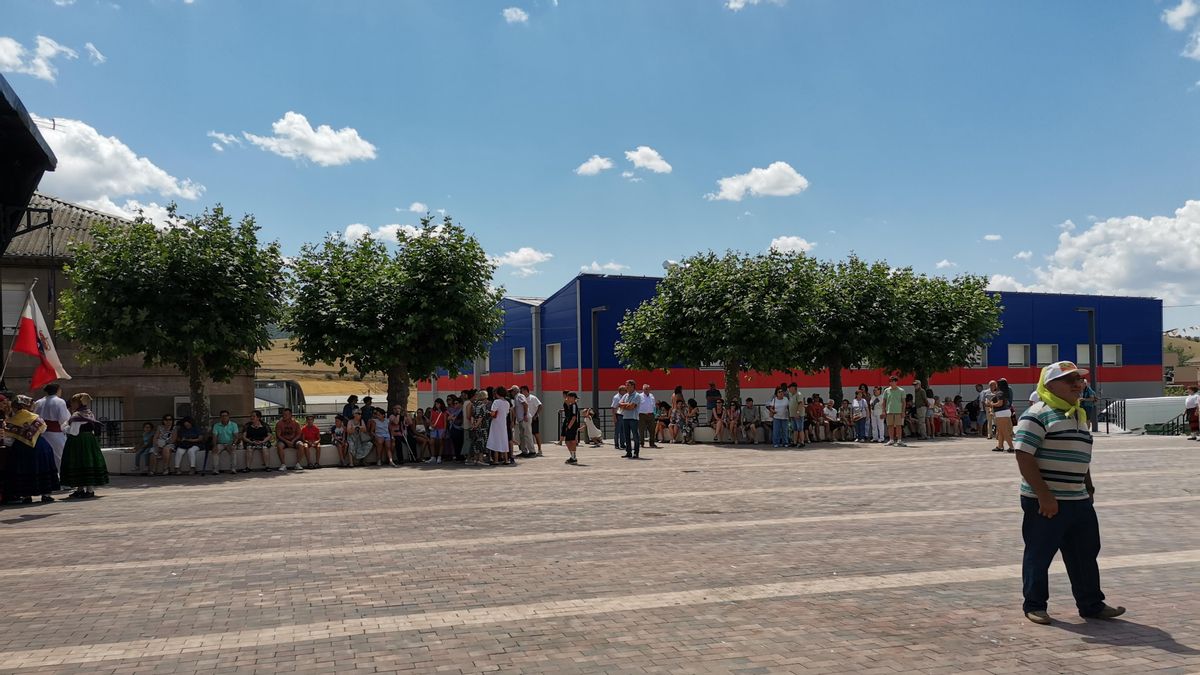
Indoor refuges would typically be managed by municipal authorities. Outdoor options could include natural shaded areas near rivers. Village squares, once natural gathering spots, have become inhospitable because concrete and asphalt retain heat.
Each municipality presents unique challenges. Valdeprado del Río is "quite forgotten, very depopulated, very aged, and very natural." Campoo de Yuso has the most scattered independent settlements. Valdeolea has an aging population but also younger industrial workers in Mataporquera.
When asked about climate change, residents associate it more with harsher winters than summer heat. Asked where they'd go for refuge, many mention churches. Asked what they'd prefer, many say natural swimming pools.
**Distance Matters**
"Distance is a factor. If green areas are too far away or the path has no shade, people won't go," warns Arias. Studies show tree-dense areas can be 4 to 10 degrees Celsius cooler than asphalt streets just meters away.
"Even in very green areas, we need to renaturalize public space and use permeable surfaces instead of asphalt to improve temperatures," says Pirón. "We want to create a network of community places that offer thermal comfort—around 27 degrees—and encourage socializing across generations."
For González, the most striking finding is how heat changes social behavior. "High temperatures make villages—which are generally lively places—die and become isolated, with everyone staying home," he explains. "During summer, when there should be the most life, we end up isolating ourselves."