‘Snow Eaters’: Scientists Warn of a New Type of Heat Wave
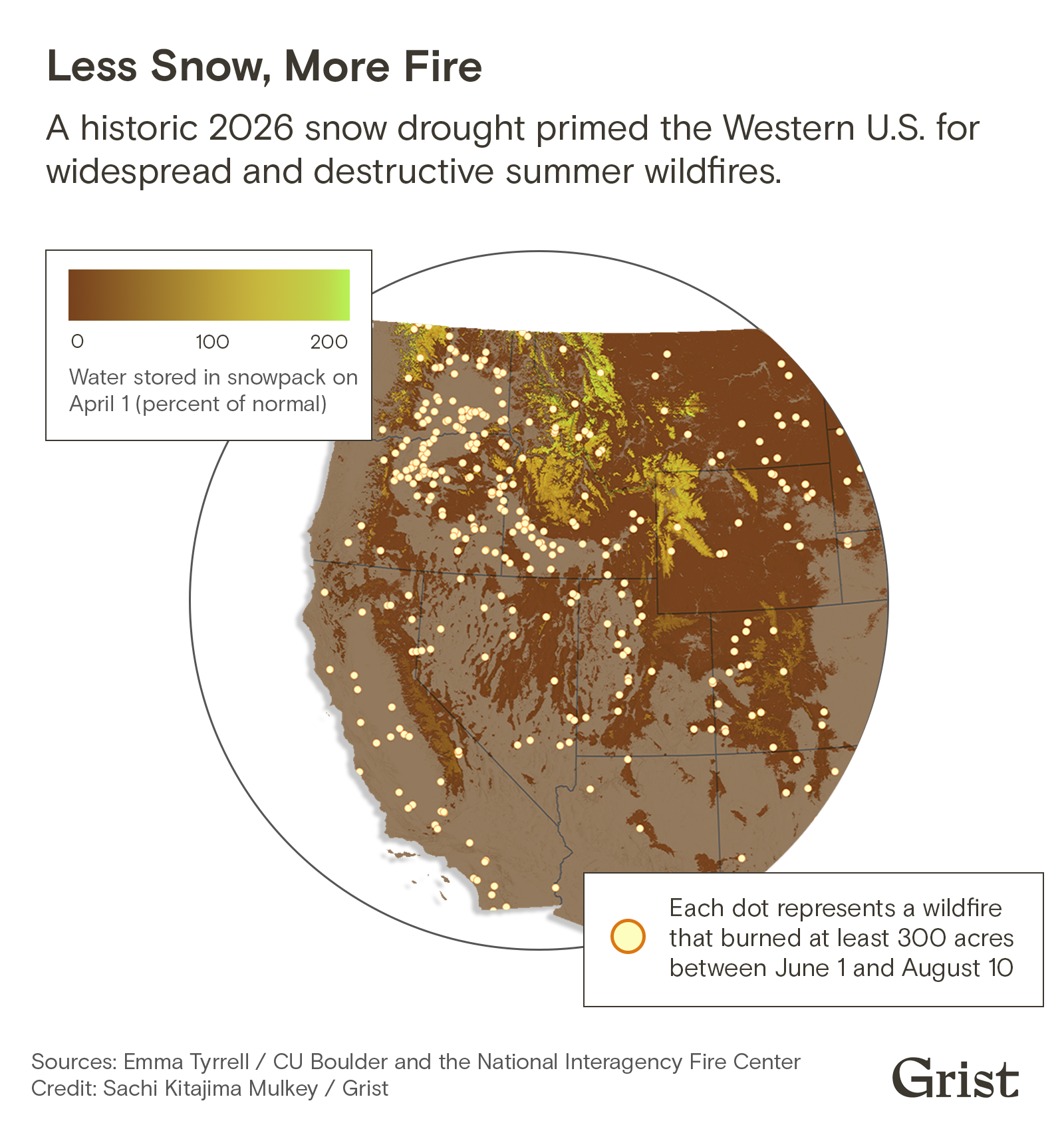
Unseasonably warm weather that rapidly melts snowpack is becoming more widespread across the U.S. West—and it is striking earlier in the year. Scientists have now defined this phenomenon as a distinct category of heat wave, calling it a “snow eater.”
Unlike typical heat waves that raise air temperatures over days, “snow eaters” deliver a sudden, sharp spike in warmth that accelerates snowmelt. This fast melt can trigger flooding, strain water supplies, and increase wildfire risk by drying out vegetation sooner.
Researchers note that these events are no longer rare. They are expanding in frequency and shifting their timing to earlier spring months. That shift complicates water management for farms and cities, which rely on a slow, predictable snowmelt to fill reservoirs.
The new classification helps meteorologists and local officials identify these fast-melting patterns more clearly. With a defined category, communities can better prepare for the cascading effects of a rapid loss of snow cover.