Fish Farm Plan Threatens Europe's First Whale Sanctuary
Part of composite article Coral Crisis: Disease, Dredging, and Climate Change Push Unique Reefs to the Brink View full article →
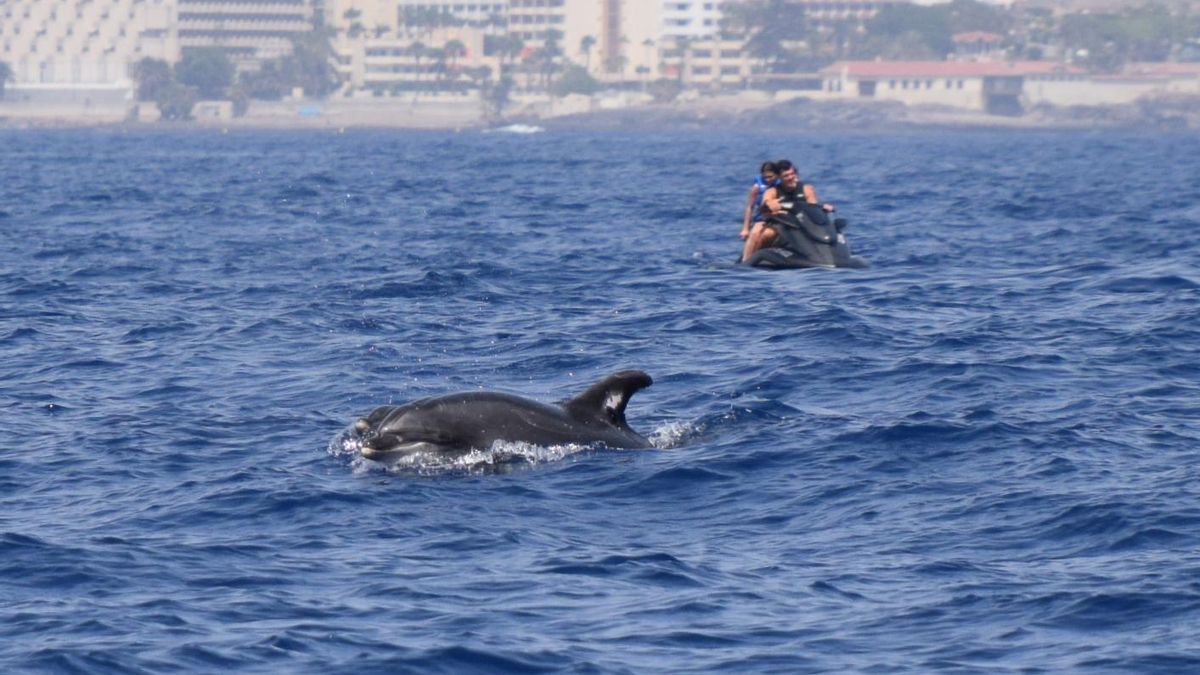
A plan to build 28 fish cages inside a protected marine zone off Tenerife has sparked opposition from environmental groups and local authorities.
The Government of the Canary Islands awarded the project to Socat Canarias S.L. The company wants to install sea cages for farming sea bass, sea bream, and greater amberjack. The site is in the Teno-Rasca Special Conservation Zone (ZEC), a European protected area.
The ZEC is home to bottlenose dolphins, loggerhead sea turtles, and sandbanks. It also contains the only Whale Heritage Site in Europe, known for its resident population of tropical pilot whales.
The project covers 22,500 square meters. It includes 28 production cages and eight smaller auxiliary cages. The goal is to produce 3,000 tons of fish per year.
The General Directorate of Fisheries says the project is not yet approved. It must pass all required evaluations under regional, national, and European law before a final decision. "The February 2026 decision only selected the winning project from the public tender," officials said.
Spain's Ministry for Ecological Transition has asked for more information. In a June letter, the ministry criticized the regional government for not informing them directly about the project. The ministry's biodiversity department says it must issue an impact report because it manages the protected area.
The environmental group ATAN has filed objections. The group says the fish farm threatens the ZEC's conservation. ATAN cites a 2004 study showing that aquaculture cages change dolphin behavior. The study found that bottlenose dolphins approach the cages, attracted by fish that escape from nets. Some workers also throw dead fish to the dolphins.
This interaction means dolphins spend less time hunting and socializing. "Dolphins fed by humans in the wild show feeding behaviors similar to those in captivity," the study says.
ATAN also warns about pollution, chemical contamination, visual impact, and the risk of introducing non-native species. The group demands the project be stopped permanently. "The ZEC is for conservation, not for a company's extractive profit," ATAN stated.
The Adeje city council has also filed objections against the project.
The Teno-Rasca ZEC is one of the most important marine areas in the Canary Islands. It hosts 28 species of cetaceans, including at least 300 tropical pilot whales. But the zone faces many human pressures, including noise pollution, ship collisions, illegal whale watching, and sewage discharges. Recent large tourism projects nearby have also raised concerns about overdevelopment.