Doñana Summer: Full Marshes, High Fire Risk
Part of composite article Ocean Heat Hits Record 20.86°C, Unleashing Storms, Droughts, and Fire Threats Worldwide View full article →
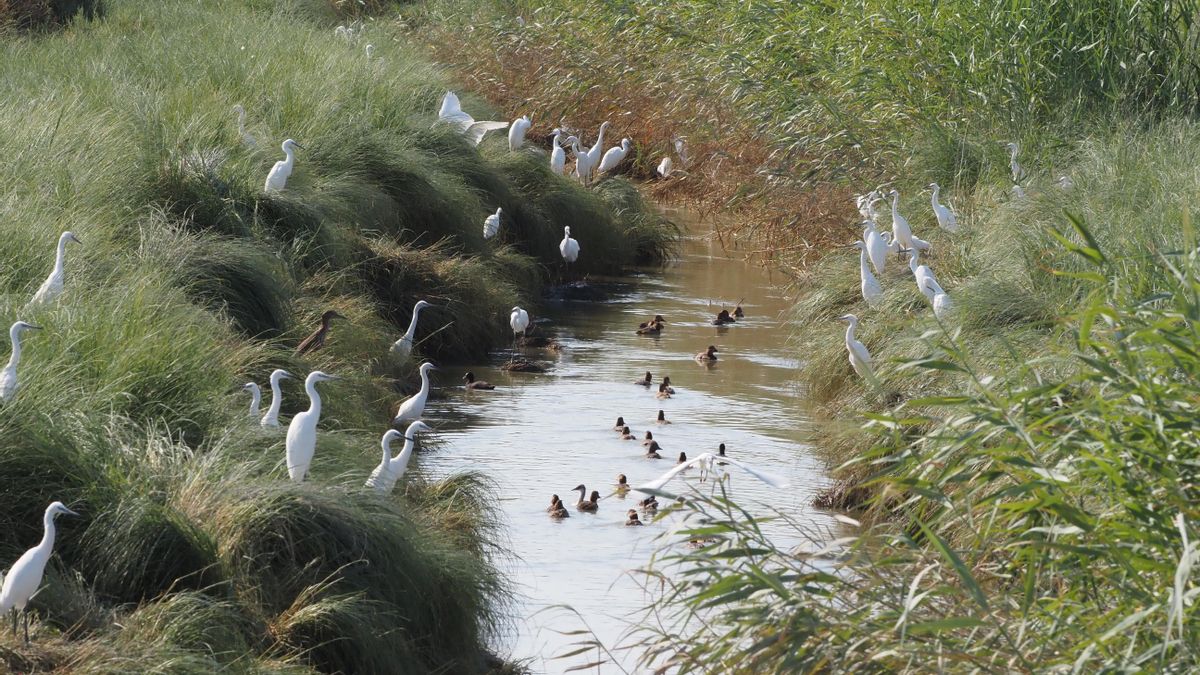
The famous Doñana wetlands in Spain are entering summer with a split personality. The marshes are full of water after a rainy winter, but scientists warn the risk of wildfires is high.
The Doñana Biological Station says the wet winter created abundant vegetation. Now, with very high summer temperatures, that dry vegetation is fuel for fires.
“The risk of fire is elevated because of the temperatures and the abundant vegetation,” said station director Eloy Revilla.
**Good News for Birds**
On the positive side, the water has been good for wildlife. Revilla called the breeding season for aquatic birds, especially herons, a “good season.” He noted that bird colonies are present in many areas of Doñana.
“The marsh has flooded, just like last year, so there is still water. That part of Doñana is recovering, and so is the vegetation,” he explained.
**Long-Term Challenge: The Aquifer**
While the surface marshes look healthy, the underground water supply tells a different story. The aquifer, which feeds the park’s lagoons, is recovering very slowly.
“The part that depends on the aquifer is going much slower. It has barely recovered from the last drought,” Revilla said. He stressed that recovery is a medium-term process. “We need to reduce demand, in addition to more rain.”
**May Fire Assessment**
Regarding a fire in May that burned about 500 hectares, Revilla said it is too early for a full evaluation. He noted the fire burned pine forest, scrub, and grassland. The fire was of “medium and low intensity,” which is good because some moisture remained in the vegetation. This helped firefighters control the blaze and stop it from spreading south.
**New Public Data Portals**
Revilla made these comments while launching two new public websites. The portals provide open access to weather and water data from Doñana.
The first, called Hidromet, tracks the hydrology and weather of the marsh. It uses automatic stations that record data every five minutes, including temperature, rain, and water levels.
The second, Meteo Palacio, gives access to a historic weather record from the Doñana Palace station, with continuous data since 1978.
These platforms offer high-resolution data for scientists, park managers, and the public. The goal is to better understand the ecosystem and track how it responds to climate change.