Spain's €500 Million Plan: "A Better Country" Says PM as Migrant Regularization Deadline Passes
Part of composite article Spain Gets 1 Million Migrant Applications in Just 3 Months – "A Better Country" Says PM as Deadline Closes View full article →
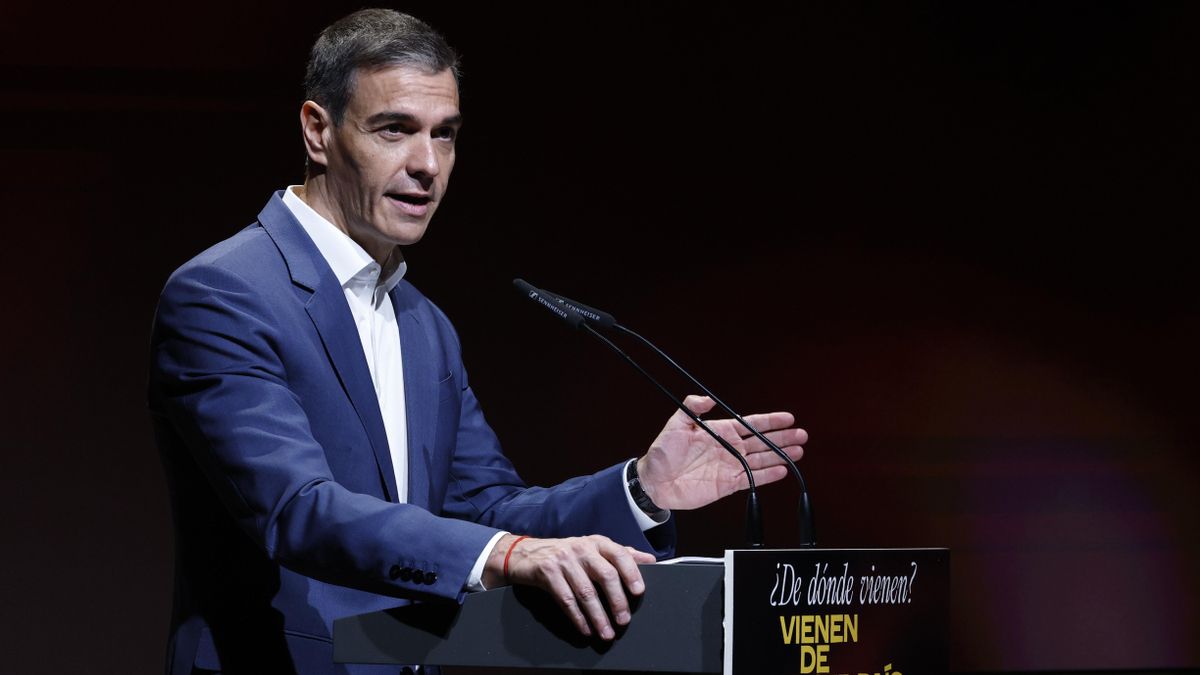
Spanish Prime Minister Pedro Sánchez announced a €500 million annual integration plan on Tuesday, defending the government's mass regularization of migrants as "a key step to bring hundreds of thousands of people out of invisibility."
The plan was unveiled on the same day the application period closed for an extraordinary regularization process. The government has received over one million applications.
"The regularization is a success in migration management," Sánchez said in a speech. "The integration plan turns that first step into a life project."
**Plan Details**
The strategy includes four main pillars, 16 measures, and 10 objectives, with a phased rollout until 2030.
- **Eje 1: Ordered Migration.** The government will create a state agency for human mobility to manage migration more effectively. However, officials said this requires parliamentary approval, making it unlikely in the current term.
- **Eje 2: Employment as the Key.** Over €150 million will fund vocational training, targeting sectors with high labor demand. "There is no full integration without autonomy," Sánchez stated.
- **Eje 3: Mutual Commitment.** The plan allocates €30 million for language learning and community programs. Sánchez stressed that migrants must respect Spanish laws, democratic values, and LGTBI rights. "These are not conditions for some or privileges for others; they are the rules for everyone."
- **Eje 4: Guaranteeing Rights.** €200 million will strengthen public services, fight school segregation, and combat hate speech. "We will reinforce the fight against hate speech, improving support for victims," the PM added.
**Business and Social Reactions**
The announcement was followed by roundtables with business leaders, unions, and NGOs.
CEOE president Antonio Garamendi highlighted labor shortages, while unions CCOO and UGT called for "orderly management policies" to prevent exploitation.
Caritas migration expert Diego Fernández Maldonado called the process a "historic milestone," but warned: "It is not just about getting papers. There must be community support for these people."
Jenny Carlota Garay, a Peruvian applicant, shared her personal story. "Being a migrant is not easy. It means leaving family behind, accepting hard jobs, and proving every day that we came to contribute."
The Supreme Court has previously warned that the regularization could conflict with European Union law.