Title: "Communist!" for Wearing a Hat: Peru's Election Exposes Racist Divide
**Article:**
A woman screamed “Communist!” at Peruvian presidential candidate Roberto Sánchez outside his polling station in Lima. When asked why, she pointed to his hat.
“Hats are communist?” the reporter asked.
“It’s because of Pedro Castillo!” she replied.
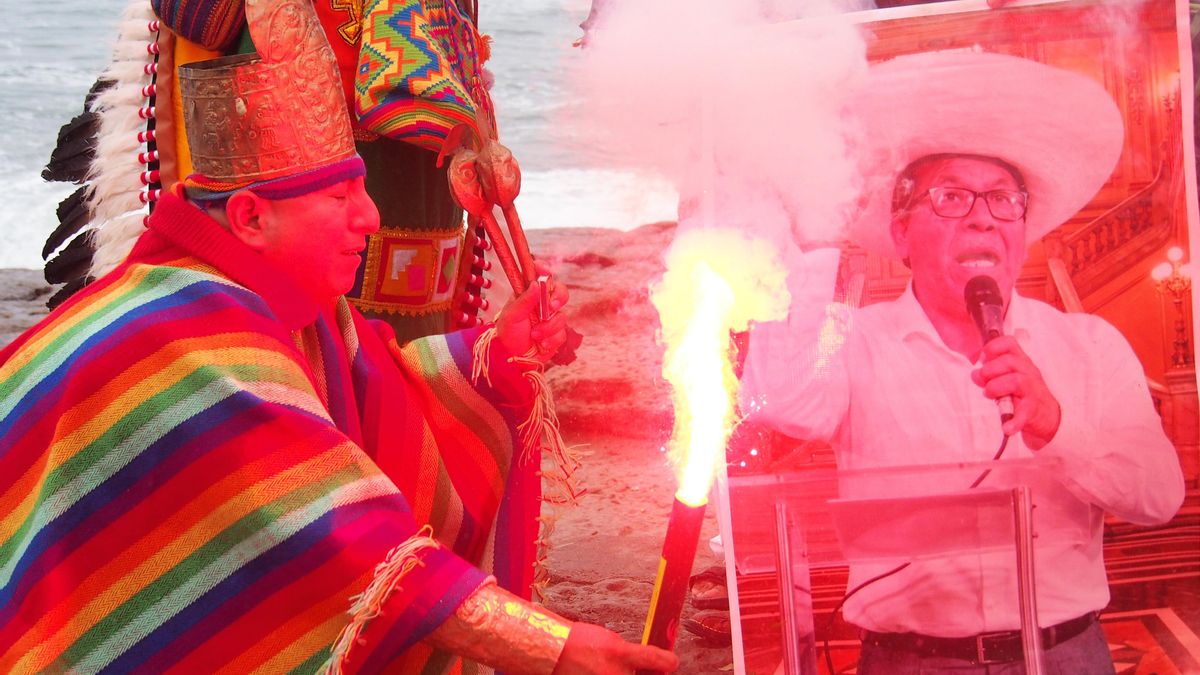
Castillo, a former rural teacher and president, was never a communist. But his hat—a *chotano* from his home region of Chota—symbolizes something else: his peasant origins. It represents manual labor, the countryside, and the Indigenous population, in contrast to Lima’s wealthy elite.
Sánchez, the progressive candidate for Juntos por el Perú, received the same insults that Castillo and former president Ollanta Humala faced. The attacks are racist and classist. Supporters of conservative candidate Keiko Fujimori called Sánchez’s voters “cholos,” a derogatory term, on social media.
This abuse is part of a deeper social fracture in Peru. The country is split between the rich, mostly coastal elite and the poor, mostly Indigenous and rural majority. In wealthy Miraflores, almost 90% vote for Fujimori. In other parts of Lima, supporters of Sánchez gathered chanting “freedom for Castillo.”
The insults include a common tactic called “terruquear.” This means accusing someone of being a “terruco,” or terrorist, simply for being left-wing or opposing the status quo. Despite no evidence, some have linked Sánchez to the long-defunct Shining Path rebel group.
Sociologist Francesca Emanuele explains that this racism aims to discourage poor, provincial Peruvians from entering politics. “The fear of receiving the same treatment would fuel the absence of politicians of humble origin,” she says.
For millions of Peruvians who voted for Castillo and Sánchez, seeing a candidate who looks like them is natural. The opposition’s strategy, Emanuele says, creates a “we against them” dynamic, demonizing the poor.
The election remains too close to call. Final results, including overseas votes where Fujimori is stronger, could come Wednesday. The outcome will show whether Peru chooses a president who represents its historically excluded majority or the elite that has long controlled the country.