System Fails the Vulnerable, Not by Accident, but by Design
Part of composite article Vegans Face Daily Hate Speech as Activist Links Attacks to Fascist Tactics View full article →
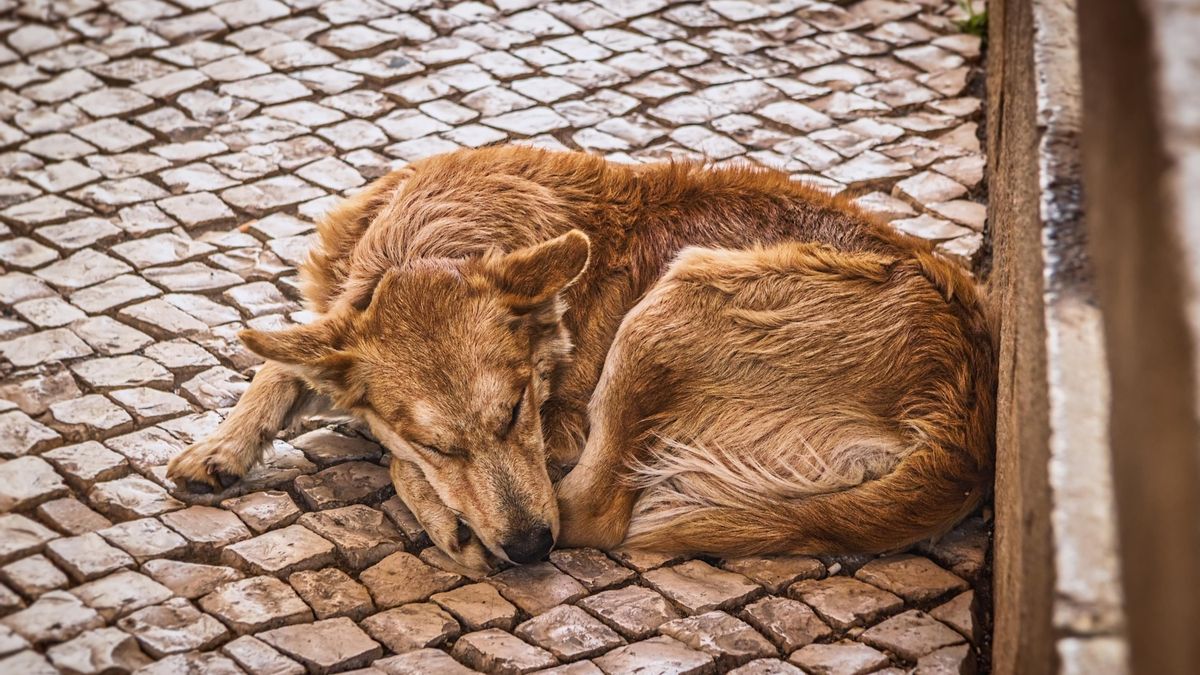
When lives are most fragile, institutional protection is weakest. This is not a mistake. It is a pattern.
A recent case in Lillo del Bierzo, Spain, highlights the problem. Several hunting dogs disappeared. Activists linked the case to animal abuse. They say public agencies are not built to protect non-human animals. When help comes, it is too late, too weak, or only symbolic. Impunity for those who exploit or harm animals is not an exception. It is the logical result of a system that treats animals as resources, not as lives.
The same logic applies to endangered species. Several Spanish regional governments recently blocked a proposal to declare the eel a protected species. Scientists had clear evidence the species is collapsing. But protecting the eel would hurt certain economic interests. When the choice is between life and profit, the system chooses profit.
This pattern extends to vulnerable humans. Homeless people are treated as a public order problem, not a social emergency. Women facing abuse encounter slow, ineffective systems. Racialized people face structural discrimination and police control. The system has the capacity to act. It acts quickly to protect corporate interests. Police clear protests from bank headquarters. Governments approve large subsidies for businesses. The machinery works perfectly when the goal is to preserve economic power.
Why? The source material points to a long tradition of analysis. Anarchist thinker Emma Goldman argued the state is not neutral. It is designed to keep a social order based on domination. Piotr Kropotkin showed that state structures protect private property and elite privilege, even when that means suffering for many. More recently, Silvia Federici has explained how the modern state organizes exploitation, especially of reproductive work and feminized bodies. Murray Bookchin linked state power to the domination of nature. He argued that social hierarchy legitimizes the control of all living beings.
From this view, the lack of protection is not a failure. It is a structural feature. The system is designed to prioritize what is profitable. Lives that do not generate profit, or that challenge the order, become disposable. Both exploited animals and marginalized humans occupy the lowest rank.
But action still happens. It comes from below. Mutual aid networks support homeless people. Feminist groups support women facing violence. Anti-speciesist activists rescue animals from abuse. These groups act without institutional backing, often facing criminalization themselves. They show there are other ways to protect, care, and organize. Ways based on solidarity, empathy, and direct action.
The conclusion is clear. Talking about the vulnerable should not just be an exercise in compassion. It should be a starting point to question the structures that create that vulnerability. The only effective response is collective organization. Build networks. Create resources. Build power from the ground up. Because no one is coming to save the most vulnerable. They must save themselves, together.